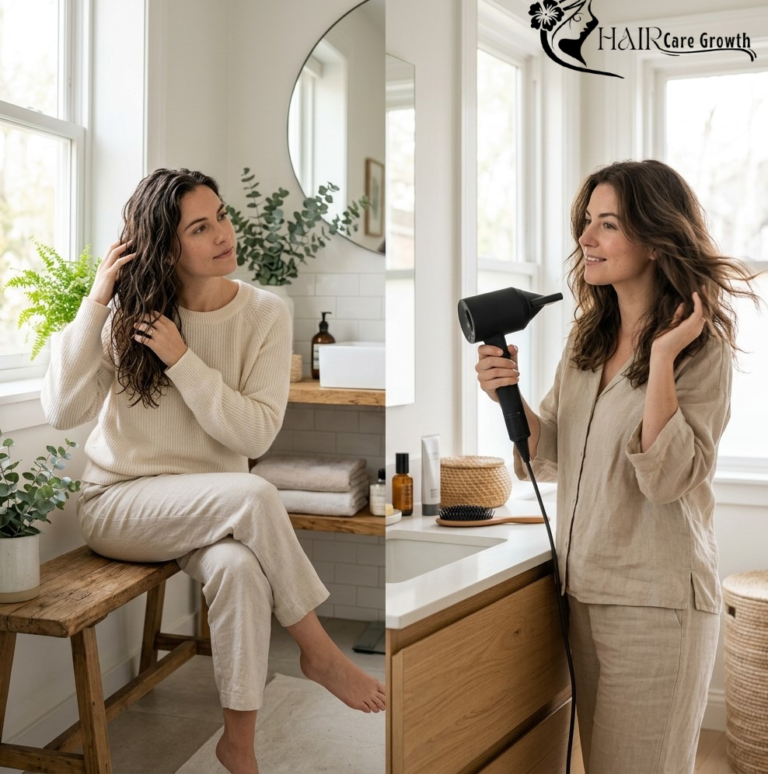
The first time I had a client crying in my chair because her part is getting wider I learned something. Hair loss is never only a hair issue. It eats away at your self-image in the mirror.
If you’ve noticed your ponytail is a little thinner than it used to be, or you can see more scalp than you’d like, it’s not your imagination. And you’re not the only one.
I have had years of experience with both fine and thick hair. That is the truth I tell all. It won’t add strands, but the right cut can make the hair you have look very much thicker.
Let me show you what really works. The flattering cuts for fine hair, the things that make hair really voluminous, and the silent mistakes that make it worse.
Why Hair Thins in Women
First find out why. Knowing why you’re losing hair affects how you style it and which treatments are worth your time.
Female pattern baldness
This is the number one reason why women thin. It is normally considered to be a line down the centre of the head and on the top of the head and not as a receding hairline.
It’s in the genes and the hormones. The earlier you start treatment, the better your chances of slowing it down, says the American Academy of Dermatology.
Telogen Effluvium (Hair Loss)
It’s temporary hair loss due to shock to the body. Think of illness, an operation, childbirth, rapid weight loss or a long period of stress.
The NHS guide to alopecia says it is normal to lose up to 100 hairs a day. In telogen effluvium, you lose a lot more, typically a couple of months later. The good news is it usually comes back.
Hormones and Nutrition
Pregnancy, menopause and thyroid changes can all thin your hair. Problems also may be caused by low iron or other nutritional deficiencies.
One note of honesty before we go on. If you are losing hair quickly or have bald patches, see a doctor or dermatologist. In cases of sudden or patchy hair loss, this can be a warning of a condition that needs to be accurately diagnosed. The cause can be determined with a blood test or examination of the scalp.
Best Hairstyles for Thinning Hair

The right cut gives the impression of density. Long hair can fall over hair and show the scalp, so shorter, layered cuts are usually preferred.
Here are the cuts I recommend over and over
Pixie
The Pixie is a good option for thinning hair. Short hair stands off the head and this reads fuller right away.
And low effort as well. Shorter length means less weight, so everything stays down.
Bob stacked
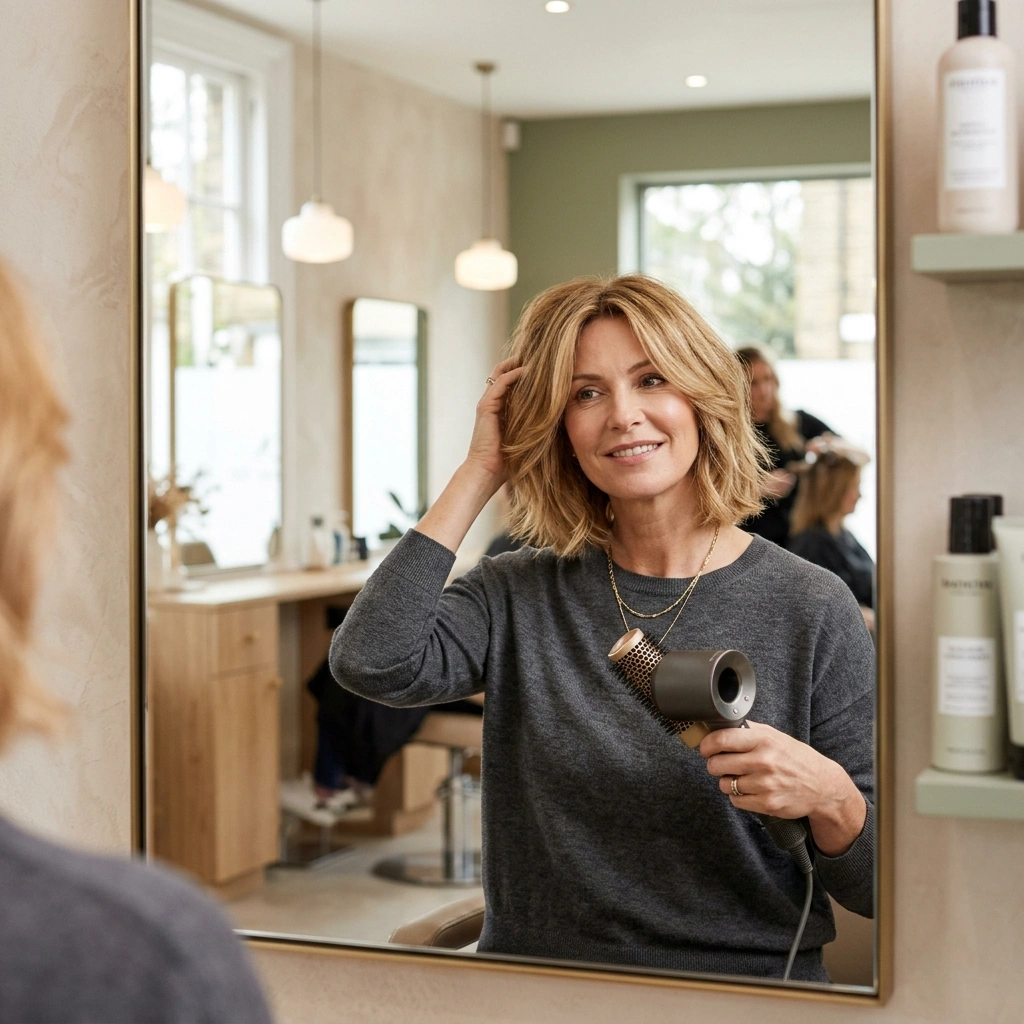
A bob about the chin or jaw adds body and motion.Instead of appearing flat or like limp, straggly strands, it has delicate layers that provide dimension.
Ask your stylist for face-framing layers. This keeps the shape springy without thinning out your ends.
Blunt Cut Hairstyle
The ends look thicker with a blunt one length cut. The straight line fools the eye into seeing more hair.
Particularly effective for fine hair lacking natural volume.
Gentle Waves
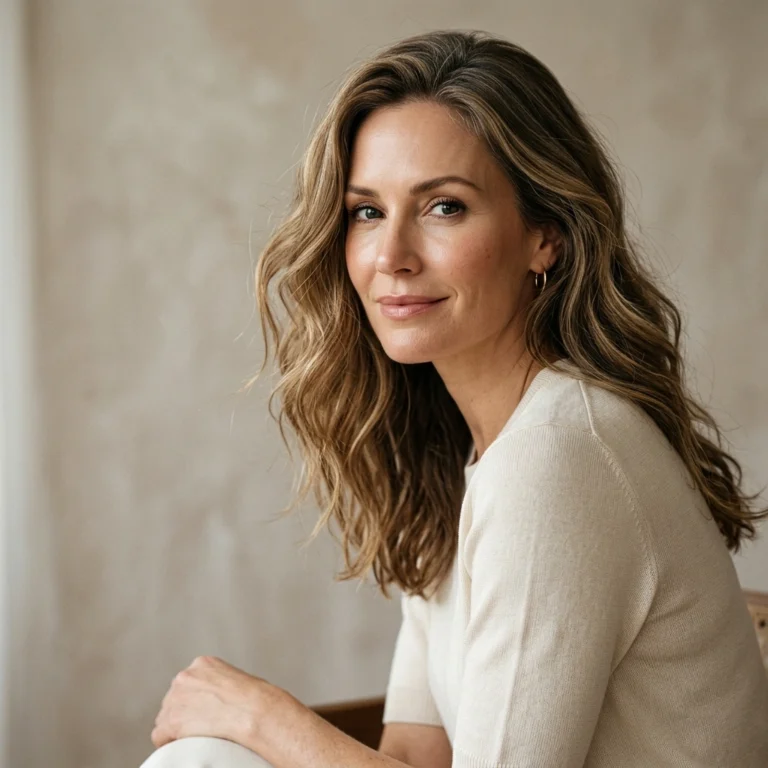
Texture is your friend. Soft loose waves give height, and break up flat spots that show the scalp.
Stay away from tight curls. Soft bends through mid lengths provide the most natural fullness.
Side Parted Bangs
Bangs can cover a receding hairline or bald temples. The side-swept styles are forgiving and soft and frame your face.
Don’t have a heavy blunt fringe. Sitting right takes a lot of hair.
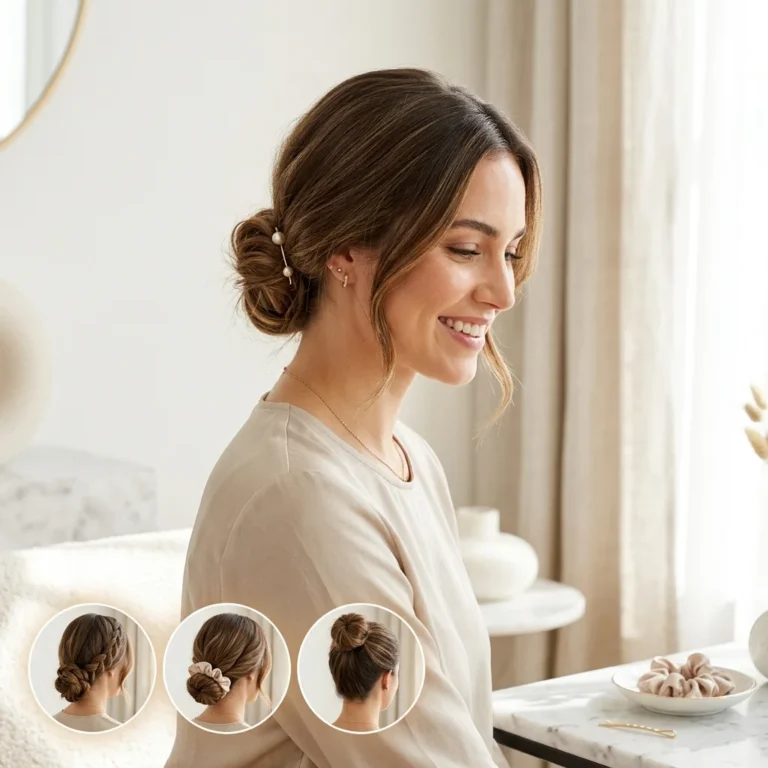
Messy Updos
For events, go with a loose, slightly undone updo instead of a tight, sleek bun. You can pull a few pieces out gently for volume and a softer look.
The opposite is true for a scraped-back style. It uncovers all the weak points.
Quick Guide to Decision Making:
- Want the best bang for your buck? Think pixie cut or short layered bob.
- Want to add some length? Choose layered hair with loose waves.
- Worried about your hairline? Add some side bangs.
- Have a special event? Opt for a soft-textured updo.
Styling Tips That Add Real Volume

Your cut forms the base. It is an essential component of your daily routine.Volume without weighing down, the best of these habits.
Get Light Products
Heavy oils and creams can easily make fine hair feel heavy. Use a volumizing mousse, a root-lift spray, or a light foam instead.
A little does a great deal. If needed, add extra after starting with a little amount.
Flip Your Head Dry
Blow-dry inverted. As you dry your hair, lift it away from the scalp to create body at the roots where it matters most.
Finish with a short blast of cold air to hold the lift in place.
Intentionally Use Dry Shampoo
Dry shampoo isn’t just for greasy days. A spritz at the roots will give your hair grip and texture, making it look fuller.
Add Color Intentionally
Subtle highlights or lowlights add depth. The contrast encourages the eye to see more depth and density.
Discuss options gently with your colorist. Bleaching can weaken fragile strands.
Common Mistakes to Avoid
Some habits make thinning hair look even worse. A few can actually do more harm. This is what needs to be taken care of.
Tight Ponytails & Buns
Tightening your hair pulls on your follicles all the time. Traction alopecia, a form of hair loss brought on by persistent strain, may eventually result from this.
AAD warns that tight hairstyles worn often can cause this damage. Ease your styles and change them around so some spots aren’t stressed every day.
Weaves & Thick Extensions
Extensions can fill in, but heavy extensions pull on your natural hair. If worn incorrectly or left on too long, they can damage your strands and follicles. Love them, keep them light, and take breaks from them regularly.
Over Heat
Hot tools weaken fine hair, and that breakage makes thinning hair look even worse. Use a heat protectant and keep the heat at a moderate temperature.
Coarse Brushing
Pulling a brush through wet hair will snap strands. Comb wet hair with a wide-tooth comb and dry hair with a soft brush.
Expert Tips for Fuller-Looking Hair
Little habits add up. Do these regularly and get consistent results.
- Move your piece. A side or zigzag part covers a widening center part and instantly adds fullness.
- Regular pruning. Even the healthy-looking ends look thicker than dry split ends.
- Dampen slightly. Hair is weakest when soaking wet, so pat it dry, don’t rub it.
- Eat for your hair. Good protein and iron help healthy growth. Supplements should only be taken if blood tests show you need them, as excesses of certain nutrients can be harmful.
- Find effective treatments. Research supports minoxidil for female pattern hair loss. See a dermatologist before you start anything.
Pick one or two changes to start with. You don’t have to change everything at once.
Frequently Asked Questions
Best Haircuts For Thinning Hair?
Short to medium layered cuts generally look good. Pixie cuts, layered bobs, and blunt cuts all give lift and dimension for a thicker-looking head of hair.
Does long hair make thinning more obvious?
Yes, often. Long hair without layers pulls down and exposes the scalp. Adding layers or going shorter tends to look fuller.
Can hair loss be caused by hairstyles?
They can. According to the AAD, constant wear of tight ponytails, buns, and braids can strain your follicles and lead to traction alopecia. Relax your styles and turn them.
Can bangs cover up thinning hair?
Soft, side-swept bangs help hide a receding hairline or thin temples and frame your face. Skip the heavy, blunt fringe that requires more hair to look full.
Does female thinning hair last a lifetime?
Depends on the cause. Telogen effluvium is usually temporary and will grow back, while female pattern hair loss is more likely to be permanent. Your dermatologist can tell you what to expect.
What products volumize fine hair?
Lightweight volumising mousse, root-lift spray, and dry shampoo work well. Steer clear of heavy oils and creams that will flatten fine strands.
When to visit a doctor for hair loss?
If you are losing hair suddenly, in patches, or have symptoms on the scalp, see a doctor. Unexplained hair loss is worth getting checked, says NHS Inform.
The Takeaway
Thinning hair doesn’t have to mean giving up a favorite style. I’ve seen the right cut change the way a woman walks down the street, the way she walks out of the salon, the way she answers her own reflection.
The right cut, some lightweight products, and gentler habits can add volume to your hair significantly. None of this requires a dramatic overhaul.
Now, what you need to do is this. Book a trim, and ask your stylist to cut it for volume. Start there, be gentle with your hair, and see a dermatologist if you’re worried about the cause.
Small changes make your hair look the way you like.