Have you ever run a brush through your hair and felt your heart sink at the amount that falls out? Yes, more than I’d want to acknowledge. Convinced that the solution was in a bottle, I spent years pursuing pricey serums and fancy shampoos. It was reading dermatology research and talking to experts on skin and scalp that made me realise: Healthy hair starts in the kitchen.
I wish someone had informed me this straightforward fact sooner: your hair shows how well you’ve been taking care of your body. Deep within the follicles, what you perceive as hair started to form months ago. The majority of hair is composed of a protein called keratin. So when you’re eating better, you’re really feeding the hair that’s not even grown out yet.
In this guide, I’ll walk you through the foods and nutrients that really help with stronger, longer hair, why they matter, and the everyday habits that make the biggest difference. No hype, no magic promises, just practical advice you can actually use.
Why Your Diet Affects Your Hair So Much
This is something that changed how I eat. Your body thinks of hair as a luxury, not a necessity. When nutrients are in short supply, your scalp is near the bottom of the priority list. Your follicles are waiting their turn while your heart, brain, and other vital organs get fed first.
That’s why poor nutrition often shows up in the form of dull, brittle, or thinning hair before anything else. Weak hair is like the early warning light on your dashboard.
The good news? It’s supporting a healthier growth cycle over time by giving your follicles the right building blocks. The American Academy of Dermatology says that hair grows about half an inch a month, and a steady stream of nutrients helps keep the cycle going.
The Key Nutrients for Hair Growth
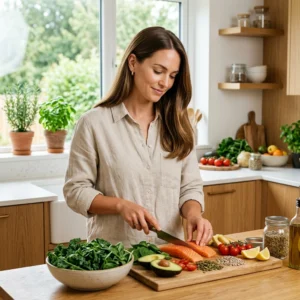
Consider these nutrients the building blocks of any good hair-friendly diet. Get these right, and you’ve covered most of the bases.
Protein: The Real Building Block
Keratin is a protein that makes up the majority of your hair. Skimp on protein and your hair knows it almost instantly.
I learned this the hard way, living on coffee and crackers during a busy season. My hair became fragile and broke off with the smallest pull. After a few months of eating protein again, the difference was noticeable.
Solid protein sources for hair are:
- Eggs
- Yoghurt (Greek)
- Low-fat chicken and turkey
- Fish like salmon
- Lentils & beans
- Tofu & tempeh:
Iron and Zinc: Silent but Mighty
One of the most prevalent dietary causes of hair loss, particularly in women, is low iron levels. Natural oils are balanced and your scalp is protected with vitamins A and E. Iron helps your red blood cells carry oxygen to your follicles, keeping them working and healthy.
Zinc also acts in a supporting role. It helps repair tissue and keeps oil glands around your follicles working properly. The National Institutes of Health says iron deficiency, along with low zinc, has been linked to hair loss in some people.
Good sources to include:
- Spinach & Leafy Greens
- Red meat (lean) in moderation
- Pumpkin seeds
- Chick peas (Garbanzo beans)
- Shellfish and oysters
Other B-Vitamins and Biotin
Biotin gets a lot of attention, and it does help with keratin production. The truth: true biotin deficiency is rare, so most people don’t need mega doses. Eating foods rich in biotin is usually enough.
Biotin-Friendly Foods You Can Eat:
- Eggs, especially the yolk.
- Almonds.
- Sweet Potato
- Sunflower seed
- Whole grain
Healthy Fats & Omega-3s
Omega-3 fatty acids keep your scalp nourished and strands looking shiny. You don’t make them, so you have to eat them.
You will find them in:
- Salmon, mackerel, sardines, and other oily fish
- Walnut
- Chia and flaxseed.
- Avocado
Vitamins A, C, D, and E
All of these vitamins have a subtle, supportive role. Vitamin C helps your body absorb iron and make collagen. Vitamin D has been connected to follicle health, and low levels of vitamin D have been linked to certain types of hair loss by the National Institutes of Health. Natural oils are balanced and the scalp is protected by vitamins A and E.
Stock up on citrus, berries, bell peppers, and a little sensible sun.
Best Foods to Eat for Longer, Stronger Hair
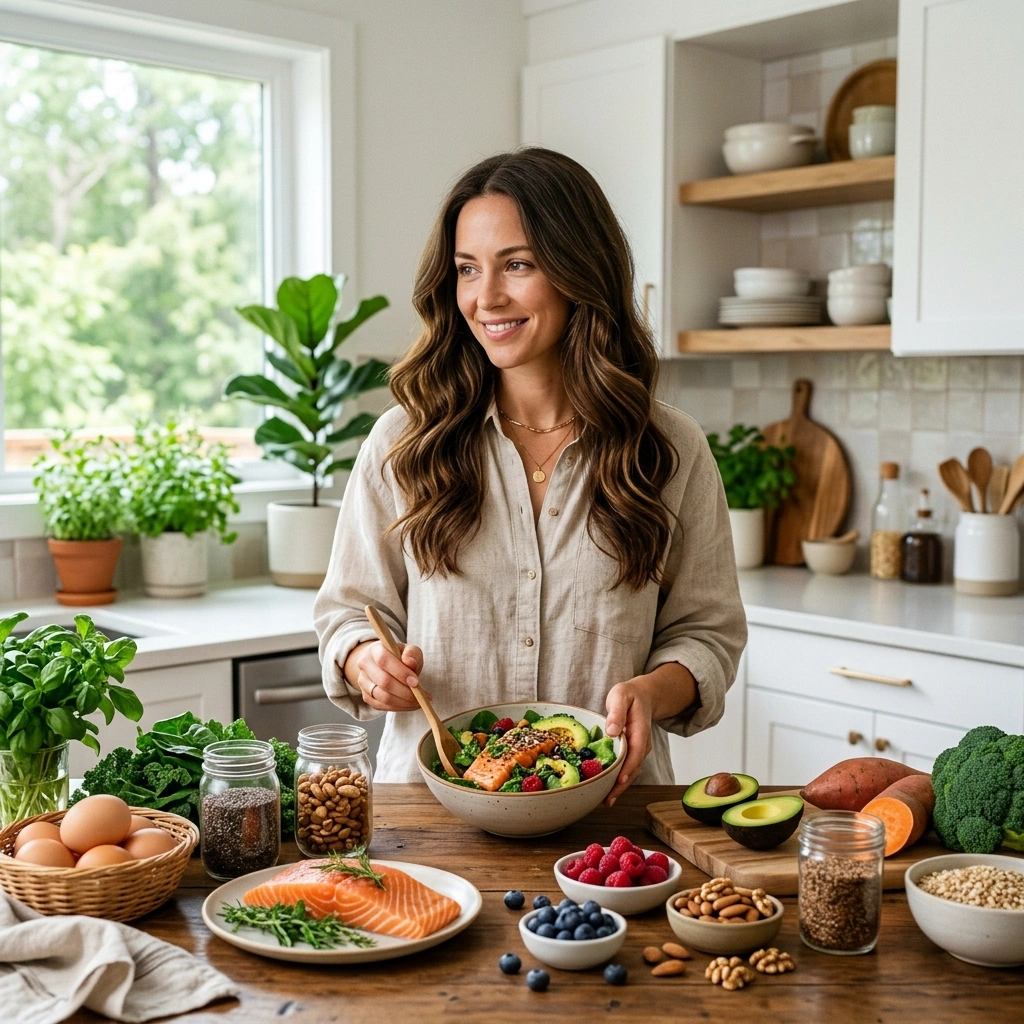
Need a quick shopping list? All of these stars have most of what your hair needs:
- Eggs for biotin and protein
- Salmon for Vitamin D & Omega-3s
- Iron, folate, vitamin A, and vitamin C in spinach
- Sweet potatoes and beta-carotene
- Greek yoghurt for protein and B vitamins
- Healthy fats, zinc, and selenium can be found in nuts and seeds.
- Berries for vitamin C and antioxidants
- Plant protein and iron from lentils
My breakfast of choice? Scrambled eggs with a handful of spinach and berries on the side. It’s fast, it’s tasty, and it’s packed with follicle-friendly goodness. That one plate keeps me on track on busy mornings.
What Causes Diet-Related Hair Loss
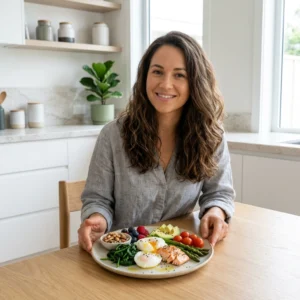
Sometimes it’s not what you’re eating that’s the problem; it’s what you’re missing. Common dietary triggers of thinning hair are:
- Crash diets that severely restrict calories
- Very low protein intake – often associated with restrictive eating
- Iron deficiency, particularly if you have heavy periods
- The cycle of hair growth might be disturbed by rapid weight loss.
- Too little fat leaves the scalp dry and undernourished.
A quick but important note: hair loss can also be caused by genetics, stress, hormones, thyroid problems, or other medical conditions. If you notice that you are shedding suddenly, in patches, or severely, see a doctor or a board-certified dermatologist. Diet is powerful, but that’s not the whole story.
Common Mistakes to Avoid
I have actually come across a few of these myself, so let me save you the trouble.
- Supplements only. Whole foods are better absorbed by your body for nutrients. The medications are not a shortcut, but rather a safety net.
- Too much biotin. More isn’t necessarily better, and really large dosages can even interfere with some scientific testing.
- Skipping protein. This is the most common gap that I see, and it’s an easy one to fix.
- Wants to see results overnight. Hair grows slowly, so give your new habits a minimum of three to four months.
- Eliminating entire food groups. Restriction almost always loses out to balance.
Expert Tips for Better Hair Nutrition
Are you ready to start implementing all of this? These easy tips have worked great for me, and for many people I’ve shared them with.
- Rainbow food. A colourful plate covers more nutrient bases naturally.
- Iron + Vitamin C. A squeeze of lemon on your spinach helps your body absorb more iron.
- Keep hydrated. Water supports every cell in your body, including follicles.
- Say yes to good fats. They leave the hair lustrous and feel pleasant on the scalp.
- Keep it consistent. One good meal a week won’t do much, but daily habits will.
- If you’re worried, get tested. A simple blood panel can tell you where you’re deficient in nutrients like iron, vitamin D, or zinc, so you can fix that.
The one thing that really changed the game for me was prepping protein every Sunday. When healthy food is convenient and ready to grab, you actually eat it instead of grabbing whatever is fastest.
Frequently Asked Questions
How soon will I see diet changes in my hair?
Here, patience is rewarded. Because hair grows slowly, expect to wait about three to four months to see fresher, stronger growth near the roots.
Can supplements alone fix hair loss?
Seldom. While whole meals offer a wider and more balanced range of nutrients, supplements target specific shortages. Always check with your doctor before you start something new.
Is Biotin Worth Taking?
If you’re eating foods that are high in biotin, like eggs and nuts, you’re probably getting enough. Supplements are mostly useful for people who have a real deficiency, which is pretty rare.
Does increasing water intake promote hair growth?
Water keeps the scalp and the body operating properly, which encourages healthy development, but it does not directly cause hair to grow.
Do eggs have such great hair benefits?
Sure. Eggs are packed with protein and biotin, both vital for keratin production. They’re some of the easiest hair-friendly foods to add to your day.
Can a vegan or vegetarian diet improve the health of your hair?
Yes, with a little planning. Use lentils, tofu, seeds and leafy greens as your crutch and be wary of your zinc, iron and B12 as those can be lacking on a plant based diet.
What foods are good for hair?
Eggs are basically miracle workers with their protein/biotin combo. But variety wins every time.
Final Thoughts
Strong, healthy hair really does start from within. No plate of food is going to double your length overnight, but giving your follicles the best nutrients will give them the best chance to grow strong, full, and resilient.
Emphasise protein, iron, healthy fats, and a rainbow of fruits and veggies. Great hair comes from being consistent, being patient, and having a well-fed body.
See a health care professional if you experience abnormal or persistent hair loss. Sometimes it’s more than diet and there’s no shame in asking the experts for help. Your hair, and everything else, is worth it.