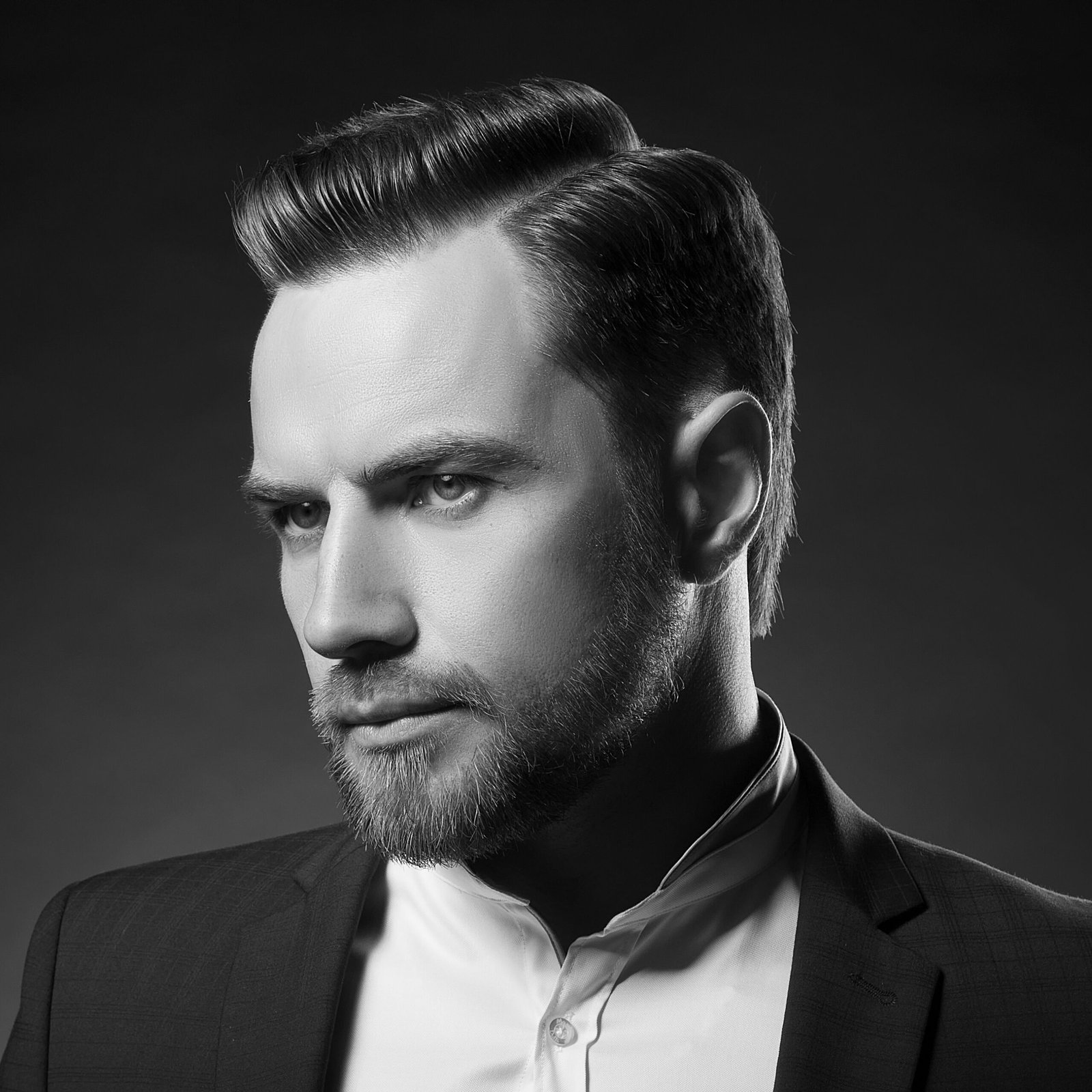
The 1950s were a defining decade for men’s grooming, moving away from the military-inspired and shorter cuts of the previous decade to bolder shapes, cleaner styling, and more personalised looks. Classic 1950s men’s haircuts are still influencing barbering trends today, be it a slick side part or a rebellious rockabilly cut.
These vintage hairstyles were not just about looking good; they were about confidence, about being an individual, about personal expression. If you are looking for a professional haircut, a mid-length vintage style, or a daring retro look, many hairstyles from the 1950s fit modern fashion and are still timeless in character.
This guide will take you through 16 iconic 1950s mens hairstyles, offering styling ideas and tips on how to adapt these classic cuts for today’s hair types.
Why 1950s Men’s Hairstyles Are Still So Popular Today
Why do we still love hairstyles for men in the 50s? Because they combine structure and personality perfectly. It was typical of many styles of the period:
- Sharp shapes and defined outlines
- Volume control
- Certain parts
- Natural texture
- A polished yet masculine look
Unlike trend-based hairstyles that fade quickly, mens 1950s hairstyles are built on strong foundations that will remain stylish decades from now. Modern barbers often put their own twist on these classic looks, with fades, textured finishes, or a looser style.
16 Men’s Haircuts of the 1950s
1. The Classic Side Part
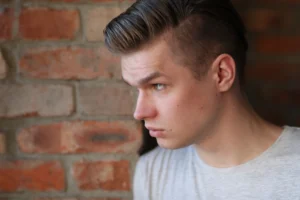
The side part was one of the most recognisable 1950s hairstyles men, providing a clean, professional look with a distinct separation between the sides and the top.
Best for: Fine, medium-density hair, straight hair, office/formal ambience.
Often, modern versions pair the classic side part with a low fade or natural texture.
2. Pompadour
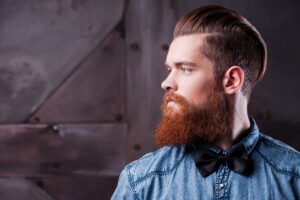
Thanks to its height, volume, and dramatic style, the pompadour is one of the most iconic retro men’s hairstyles.
Modern versions often use lighter styling products and softer volume than the heavily sculpted original styles.
How to Style
- Get volume when you dry off.
- Apply a light pomade.
- Too much product can leave the look appearing flat.
3. The Rockabilly Quiff
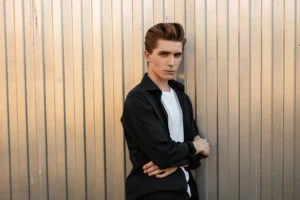
The rockabilly quiff was an emblem of youthful energy and insubordination in the 1950s.
Key features:
- Front hair lift
- Controlled flanks
- A noticeable sweep or curve
This style is for guys who enjoy vintage fashion influences.
4. The Ivy League Cut
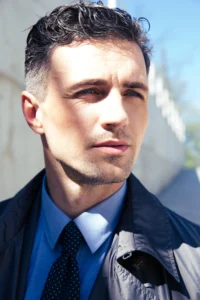
The Ivy League provided a shorter, cleaner take on the old-time college look.
Advantages:
- Looks good
- Low maintenance
- Professional styling
Still a favourite among men who want a timeless haircut that doesn’t require a lot of upkeep.
5. The Slicked Back
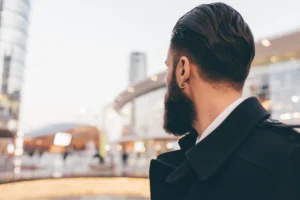
The slick back was the definition of confidence and sophistication.
Traditional versions used strong-hold products for a glossy finish, but modern interpretations allow for more movement and natural texture.
Good for: Thick hair, medium-length hair, straight or slightly wavy textures.
6. The Crew Cut

The crew cut was a practical style that gained popularity in the wake of the military influence of previous decades.
Features:
- Minimal maintenance
- Looking fresh
- Great for active lifestyles
Modern crew cuts often feature fades and textured tops.
7. The Flat Top Haircut
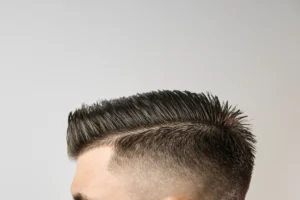
The flat top had hair standing up with a flat surface on top, which appealed to men who wanted a sharp, structured look.
8. Ducktail Hair Style
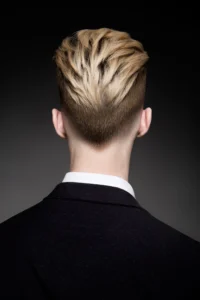
The ducktail, or D.A., was a process of combing the sides back to create a tail-like formation in the back of the head. It became strongly identified with rebellious youth culture.
9. The Teddy Boy Hairdo
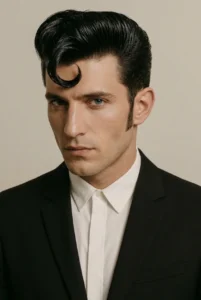
Taking cues from fashion trends in Britain, the Teddy Boy style included:
- Longer layers on top
- Swept back volume
- Good structure for styling
It remains a staple for vintage fashion enthusiasts.
10. The Businessman’s Cut

The businessman haircut of the 1950s was neat and simple.
Features:
- Sides short
- Medium top length
- Clean side styling
This haircut is still suitable for professional environments nowadays.
11. The Caesar-Inspired Short Cut
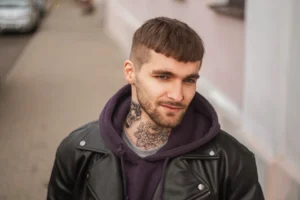
If you wanted a low-maintenance style, short, forward-combed cuts were a simple, no-fuss way for men to go.
12. The Military-Inspired Crew
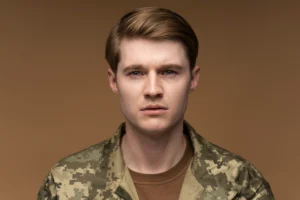
Men’s hair trends were still influenced by the military in the 1950s.
These cuts featured:
- Self-discipline
- Pristine edges
- Styling in practice
13. Quiff with a Bang
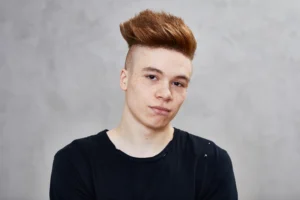
The high-volume quiff combines height with a controlled shape and is one of the easiest vintage styles to modernise using:
- Texture
- Matte products
- Sides tapered
14. Greaser Haircut
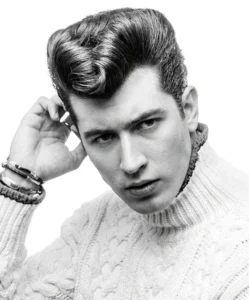
The greaser style became famous with youth culture and the influence of rock-and-roll.
Shared features:
- Heavily used products
- Back-combing style
- Defined lustre
15. The Gentleman Clean-Cut Style
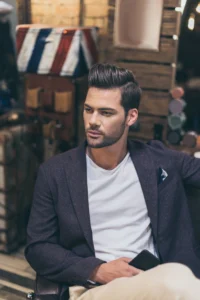
This hairstyle was an echo of the grooming standards of the 1950s, which preferred:
- Accuracy
- Neatness
- Proportional balance
16. The 1950s Revival Cut Modern
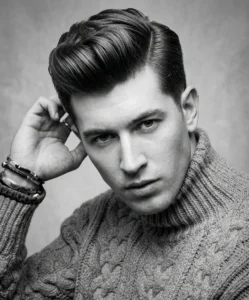
Many of today’s hairstyles combine several vintage elements, including:
- Side partings
- Quiffs
- Pompadour lift
- Sides tapered
This way, men can take inspiration from the classics without being too retro.
Pick a 1950s hairstyle for your hair type
Straight Hair
Straight hair looks good with:
- Sideburns
- Slicked backs
- Pompadour
Lightweight styling products offer control without stiffness.
Dense Hair
Thick hair is well suited to:
- Quiff
- Pompadours
- Rockabilly Style
A good haircut can control natural volume.
Curly Hair
Natural waves can give a softer vintage look with little styling effort.
Thin Hair
For men with fine hair, consider:
- Smaller cuts
- Textured styles
- Lightweight volume products
How to Wear a 1950s Hairstyle Today
A modern vintage styling routine usually includes the following steps:
- Start with clean, towel-dried hair.
- Apply a styling product to suit.
- Blow-dry, directing hair into shape.
- Add texture, not an artificial finish.
- Use as much or as little as you need depending on the thickness of your hair.
You want a natural look, but with control.
1950s Hairstyles vs. Modern Men’s Haircuts
|
Feature |
1950s Hairstyles |
Modern Adaptations |
|---|---|---|
|
Shape |
Structured |
More textured |
|
Finish |
Polished |
Natural or matte |
|
Styling |
Strong control |
Flexible movement |
|
Sides |
Short and neat |
Often faded or tapered |
|
Volume |
Prominent |
More balanced |
Frequently Asked Questions
What was the most famous men’s hairstyle of the 1950s?
The pompadour and slick back are two of the most iconic men’s hairstyles of the 1950s.
Are 1950s hairstyles still stylish?
Yeah. Many vintage cuts are still popular today because their timeless shapes work well with modern barbering techniques.
What are the best products for 1950s hair?
Depending on your hair type and the result you want, pomades, styling creams, and light waxes are popular.
Can men with thinning hair sport vintage hairstyles?
Yes. Retro-inspired cuts and textured styles can help make hair appear fuller, but results will differ based on individual hair texture.
Are 1950s hairdos high maintenance?
For example, a traditional pompadour requires a little more regular styling than a crew cut or a tapered style.
What 50s male hairstyles look professional?
Side parts, Ivy League cuts, and classic tapers tend to look better in professional settings.
Bottom Line
Classic 1950s men’s hairstyles are still popular picks in modern grooming for their combination of structure, confidence, and timeless design. Whether you’re into a clean side part, a big pompadour, or a laid-back retro texture, these vintage-inspired looks are easy to tweak for today.
Ultimately, the right hairstyle isn’t just a trend to follow, but something that should suit your hair type, maintenance needs, and personality.
Written by Mian Hussain.