Are you thinking of a new hair color but not sure what shade would suit you? There are lots of options to explore, from natural auburn and soft strawberry blonde to bold copper, cherry red, and deep burgundy.
The right hair color is about more than just trends. It all depends on your skin tone, natural hair color, undertones, how much change you want, and your maintenance routine. Need some practical hair color ideas? This article will help you compare different red shades and find a look that suits your style.
Whether you want a subtle update or a noticeable transformation, these hair color ideas can help you choose your next shade with more confidence.
Why Red Hair Color Can Look So Different From Person to Person
Red is not only one color. Its range covers a broad spectrum of warm, neutral, and cooler-looking shades.
For example, strawberry blonde is a lighter blend of blonde and red, and auburn is usually a blend of red and brown. Copper is usually warmer and more orange, and burgundy and violet-red shades have a stronger red and purple influence.
Depending on your starting hair color, this same formula can also look different.
If you put a copper shade over light blonde hair, it could look bright and fiery. If used on darker brown hair, it could give a more subtle copper-brown reflection.
That’s why sometimes a reference photo isn’t enough. A colorist needs to consider your current color and the look you want to achieve.
Different Shades of Red Hair to Consider
If you’re gathering red hair color ideas, start by deciding whether you want something soft and natural, warm and noticeable, or deep and dramatic.
Strawberry Blonde
Strawberry blonde is between blonde and red. This can be a good choice for someone who wants warmth but doesn’t want to go with a strong red look.
It could be more golden, peachy, or copper depending on the formula.
It works especially well as a subtle changeover for someone who doesn’t want to go from blonde hair to something dramatic.
Auburn
Auburn is a red mixed with brown, so it is more of a wearable color for people who want red hair, but not a super bright look.
It can be a light copper-brown to a dark red-brown color.
Auburn is also good if you want a color that will blend fairly well with a brunette base.
Copper
Copper hair is warmer and more orange than classic auburn.
You can opt for anything from a soft copper blonde to a more intense copper-red. Bright copper provides a dramatic change; burnished copper or copper bronze can provide a more subtle change.
Pumpkin Spice
Pumpkin spice hair is typically a blend of coppery, golden, and red-brown hues. The result can look particularly dimensional if you blend a few related shades instead of using one flat color.
This is a good direction for visible variation in a warm hair color.
Cherry Red
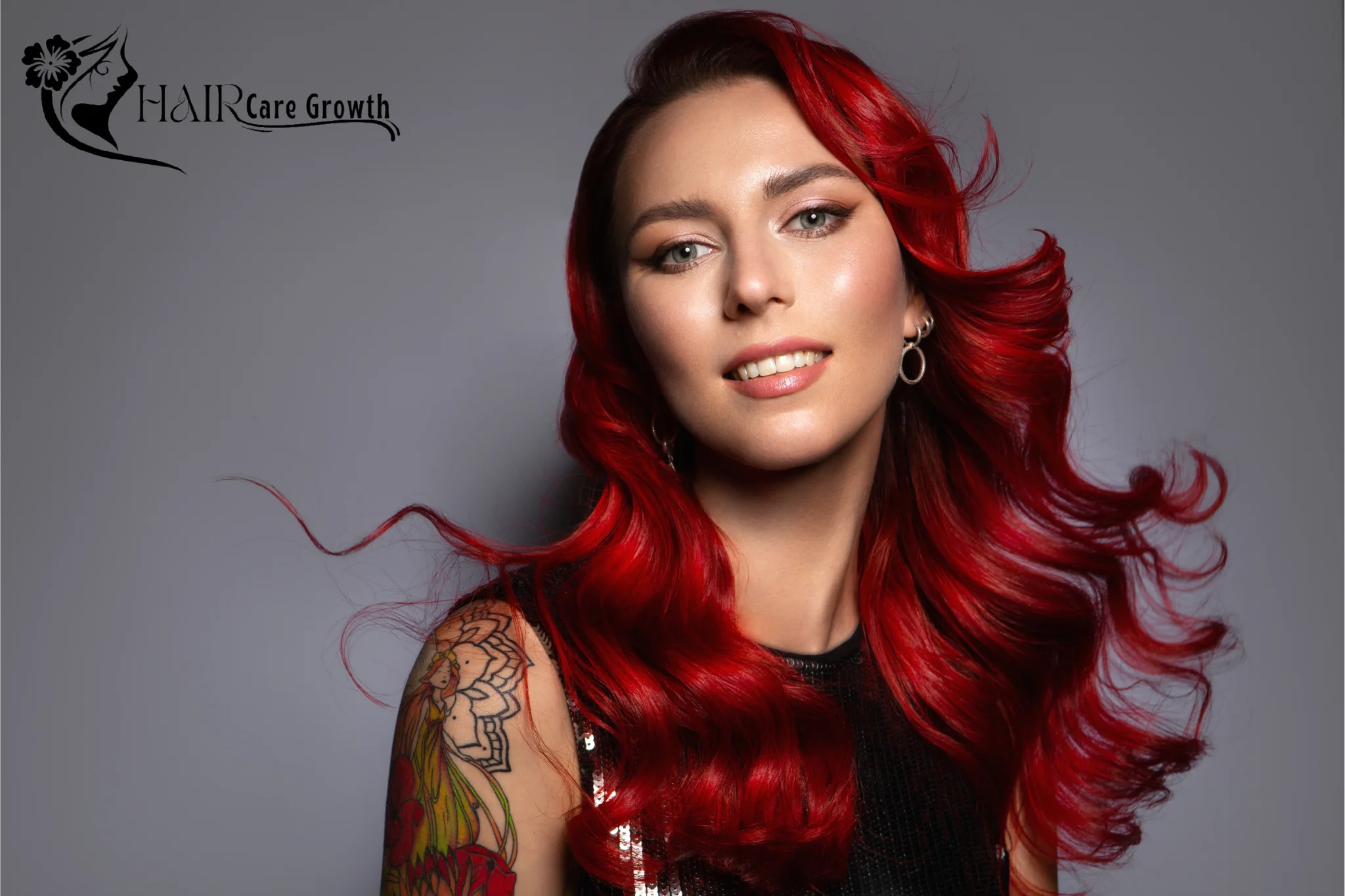
Cherry red is a more radical option. It may be a bright red with cool undertones or a deeper cherry-red tone.
Since strong reds can be quite noticeable, this shade is best for someone who wants the color to be part of the overall look rather than a subtle enhancement.
Ruby Red
Ruby red has a jewel-like quality and is usually deeper and more intense than natural copper.
It can be used as an all-over color or dimensional shade mixed with darker red-brown pieces.
Burgundy
Burgundy is a deep red with a hint of purple or wine color.
It’s a popular choice for brunettes because the darker base can make the result look rich instead of super-bright.
If you are trying to choose between burgundy vs auburn hair color, consider the effect you want to achieve. Auburn tends to feel warmer and more natural, while burgundy gives a deeper, cooler-looking result.
Mahogany
Mahogany is a rich brown with red and sometimes faint violet undertones.
If you want red dimension without the direction of a bright copper or vivid cherry hue, it’s a good choice.
Chocolate Cherry
Chocolate cherry is a brunette base with a cherry or deep red tone.
This can be especially appealing if you want red hair color ideas for brunettes without jumping straight into a bright red.
Cherry Cola
Dark brown hair also looks good with cherry cola hair, which is usually a mixture of dark brown with prominent red or burgundy streaks.
It’s usually more dramatic in bright light but relatively deep in the interior.
Rose Gold
Rose gold can add pink or soft rosy tones to lighter bases.
If your hair is naturally much darker, you might need to lighten first to get a clean rose-gold result, as the effect is quite dependent on the underlying hair color.
How to Choose Red Hair for Your Skin Tone
There is no rule that says that a certain shade of red can only go with a certain complexion. Start with skin tone, but also take your undertones, natural hair color, eye color, and personal preference into account.
Rather than “which red is best?” think of what temperature and depth you like.
Red Hair for Fair Skin
Fair skin can work with both soft and high-contrast red shades.
Consider:
- Strawberry blonde
- Copper blonde
- Soft auburn
- Light copper
- Rose gold
- Soft ginger red
If you have cooler undertones in your complexion, a softer neutral red or copper that contains less orange may be more balanced.
If your undertones are warm, then overall warmth might be suited by golden copper and strawberry tones.
Red Hair for Medium Skin
Medium complexions can pull off a range of red hair tones.
Consider:
- Auburn
- Copper
- Pumpkin spice
- Burnished copper
- Chocolate cherry
- Copper bronze
- Warm burgundy
This also gives a nice range to play with dimensional color, rather than going with one consistent shade.
Red Hair for Olive Skin
Olive skin can have both warm and cool undertones, so the exact shade is more important than just choosing a “warm” or “cool” color.
Auburn, red-brown, deeper copper, and some burgundy-red shades can be used to obtain attractive contrast.
If you find very orange copper makes your skin look too warm, ask your colorist about a more neutral copper or a red-brown formula.
Red Hair for Dark and Deep Skin Tones
Rich complexions look good in bright and deep reds.
Possible options include:
- Rich copper
- Vibrant ginger
- Ruby red
- Cherry red
- Deep burgundy
- Mahogany
- Chocolate cherry
- Crimson red
You can achieve a high-contrast look with a saturated red or a deeper and more blended look with burgundy, mahogany, and chocolate cherry.
Warm vs. Cool Undertones: Which Red Should You Choose?
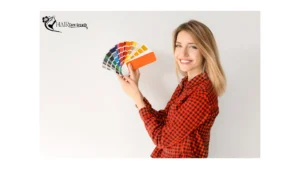
Your skin’s undertone can help you narrow your choices, but shouldn’t completely dictate them.
Warm undertones tend to do well with colors that have golden, copper, orange, or warm brown influences.
Think:
- Copper
- Pumpkin spice
- Golden auburn
- Copper blonde
- Burnished copper
Cool undertones can look great in reds with berry, violet, or blue-red influences.
Think:
- Burgundy
- Cherry red
- Ruby red
- Violet-red
- Crimson
Neutral undertones will give you more versatility, allowing you to play across both families.
But the initial hair color is critical. What may look perfect on a model with bleached blonde hair may not have the same effect on dark brown hair.
Red Hair Color Ideas for Brunettes
Brunettes don’t have to jump straight to bright red.
If you have dark brown or medium brown hair, you could start with:
- Chocolate cherry
- Cherry cola
- Deep auburn
- Mahogany
- Red-brown balayage
- Burgundy
- Subtle copper highlights
These options can add red without totally changing the depth of your natural-looking base.
To create a more dramatic change, a colorist might suggest lightening sections or all of the hair before applying a brighter red.
The amount of lightening you will need depends on your original shade and the shade you want to achieve.
Red Hair Techniques That Create Dimension
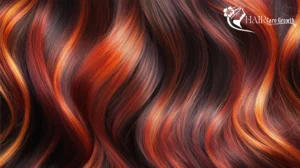
Your result doesn’t just depend on the shade. The way you color can change the finished look completely.
All-Over Red
The most powerful and uniform transformation is that of all-over color.
It’s a good choice if you want the red to be the main color throughout your hair.
Red Balayage
Red balayage adds color in strategic places within the hair, not one uniform color from root to tip.
It can be useful when you want movement and dimension with a softer grow-out.
Red Highlights
Red hair highlights can be positioned around the face or throughout the lengths.
If you want to try red out without going all in, they are a good choice.
Face-Framing Red
A few red or copper bits strategically placed around the face can make a huge difference without dyeing every single strand.
This can work especially well on brunette bases.
Ombre and Color Melting
An ombre is a noticeable fade from darker roots to lighter or brighter lengths.
Color melting creates a smoother transition between multiple shades.
For example, dark brown can gradually change to auburn and then to copper through the mid-lengths and ends.
Permanent, Demi-Permanent, and Semi-Permanent Color
Knowing what type of color is being used will make your decision easier.
Permanent hair color can make a longer-lasting change and, depending on the formula, can change the underlying pigment. Your natural hair will grow out, and new growth will be visible.
Demi-permanent color deposits color with less commitment than permanent color and is often used for toning, refreshing, or adding depth.
Semi-permanent color is generally a more temporary change and can be useful for trying a shade.
The exact longevity depends on the product, hair condition, washing routine, and chosen shade.
If you’re unsure how committed you want to be, discuss these options with your colorist before the appointment.
How to Maintain Red Hair Color
Red pigments can gradually lose intensity with washing, heat exposure, sunlight, and other environmental factors. The goal isn’t to prevent fading completely—it’s to slow it down and keep the color looking intentional.
Wash Less Often When Practical
If you wash it too often, the color will run faster.
If your scalp and hair agree, spacing out washes may help preserve color. Be sure to use a mild, color-safe shampoo and avoid using hot water.
Use a Color-Safe Shampoo
Seek products designed especially for color-treated hair.
A sulfate-free shampoo can be one option, but the overall formulation matters more than treating one ingredient as a guarantee of better color retention.
Protect Your Hair From Heat
High heat can leave colored hair feeling dry and may contribute to a duller appearance over time.
Use heat protection before using hot tools, and avoid unnecessarily high temperatures.
Protect Colored Hair From the Sun
The American Academy of Dermatology notes that sun exposure can make hair dry, rough, weak, faded, and brittle, with dyed or chemically treated hair being particularly vulnerable.
A hat can be a simple option when spending extended time outdoors.
Refresh the Color When Needed
Depending on the type of color used, a colorist may recommend a glossing service or another color refresh between major appointments.
This can regain some of the visual richness without necessarily having to redo the whole coloring process.
Hair Coloring Checklist: What to Do Before You Dye Your Hair
Before you schedule the appointment, think about these five questions:
- How dramatic do I want the change to be?
- Do I want a bright color or a natural-looking red?
- How much maintenance am I willing to do?
- Will my current hair color need to be lightened first?
- Do I want an all-over shade or dimensional highlights?
Bring two or three reference photos rather than relying on one image.
Also show your colorist your current hair in natural light if possible. Previous color, bleach, highlights, and artificial pigment can all affect the process.
Hair Dye Safety: What You Should Know
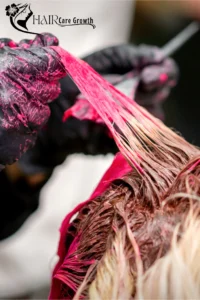
Even though hair coloring is a cosmetic procedure, some people may nevertheless experience adverse reactions or irritation.
The FDA recommends following the product instructions and performing the required skin test before using hair dye. It also notes that people can develop sensitivity after previous uneventful uses.
If you’re coloring at home:
- Follow the product directions exactly.
- Perform the recommended patch test.
- Wear gloves.
- Don’t leave the product on longer than directed.
- Don’t use hair dye on irritated or damaged skin.
- Keep dye away from the eyes.
- Never use hair dye intended for scalp hair on eyebrows or eyelashes.
If you develop significant swelling, burning, rash, breathing difficulty, or another concerning reaction, stop using the product and seek appropriate medical care.
Frequently Asked Questions About Hair Color Ideas
What color hair makes you look younger?
Soft dimensional shades such as warm brunette, honey blonde, soft auburn, and natural-looking caramel highlights can create a fresh, youthful look without looking harsh.
What are the top hair colors for 2026?
Popular 2026 hair color trends include rich brunette, copper, cherry red, auburn, burgundy, honey blonde, and dimensional balayage.
Which type of hair color is best?
The right hair color for you depends on your skin undertone, natural hair color, desired look, and maintenance routine. Most of the time, you should opt for the most practical shade that complements your lifestyle and flatters your complexion.
What are the top 5 hair colors?
Five popular choices are brunette, blonde, auburn, copper, and burgundy. Each can be customized with lighter, darker, warmer, or cooler tones.
What is the prettiest hair color for a woman?
There is no single prettiest hair color for everyone. The most flattering choice is usually one that complements your complexion, natural features, personal style, and desired level of maintenance.
Final Thoughts
The most dramatic hair color ideas aren’t always the best. The right choice is the shade that matches your natural coloring, desired level of change, styling routine, and willingness to maintain it.
If you’re new to red hair, auburn, copper-brown, chocolate cherry, or subtle red highlights can be easier starting points than jumping directly into an intense crimson or cherry red.
If you already know you want a bold transformation, vibrant copper, ruby red, cherry red, or deep burgundy can create a much stronger statement.
Before your next hair color appointment, save a few reference photos, decide how much maintenance you are comfortable with, and ask your colorist what is realistically achievable from your current hair color. A thoughtful consultation can make the difference between choosing a shade that simply looks good in a photo and choosing one that works for your actual hair.
Want more practical hair-care and styling ideas? Explore Hair Care Growth for guides that help you make informed choices about your hair color, routine, and overall hair care.
Written By Mian Hussain.