If you have ever braced yourself for the sharp, quick sting of a wax strip, you have probably asked yourself one big question. Is all this effort actually going to make my hair stop growing back?
It is a fair question. We put ourselves through regular salon visits or sticky at-home sessions with the hope that, eventually, we will not have to do it anymore. You might have heard friends swear that their hair grows back thinner, lighter, and much slower after years of waxing. Meanwhile, others claim their hair is just as stubborn as it was on day one.
So, what is the actual truth?
At Hair Care Growth, we love diving into the science behind our daily routines. To understand if pulling hair from the root actually stops it from returning, we need to look below the surface of the skin. We have to look at how hair follicles work, the natural growth cycle of our hair, and what exactly happens when you rip a strip of wax off your leg.
Let us explore the relationship between regular waxing and long-term hair growth. By the end of this guide, you will know exactly what to expect from your waxing routine.
How Waxing Actually Works on Your Skin
To figure out if waxing reduces hair growth, we first need to understand the basic mechanics of what happens during a wax session.
When you shave, you drag a blade across the surface of your skin. This simply cuts the hair shaft right at the level of the epidermis. Because the hair is sliced off at its thickest point, it often feels coarse or prickly when it starts growing out a day or two later.
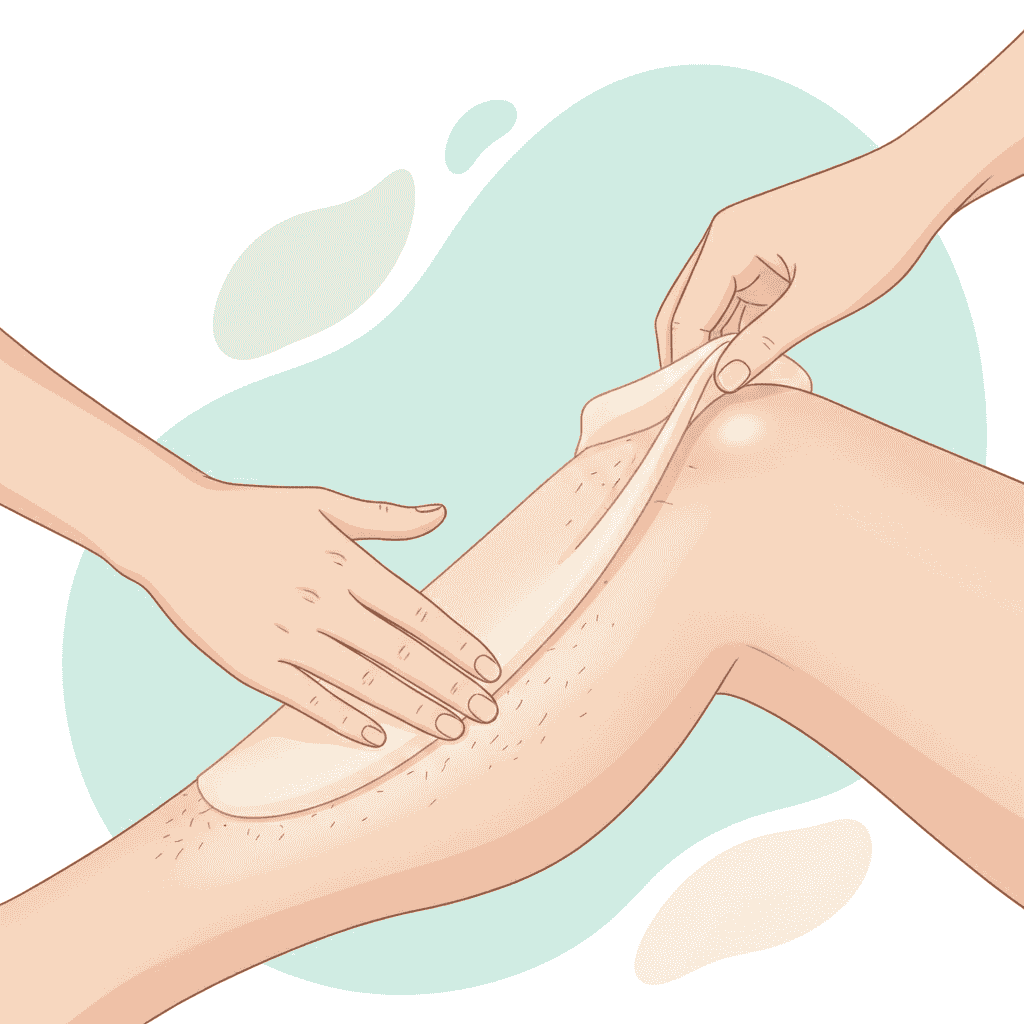
Waxing is a completely different process. Whether you use hard wax or soft wax, the goal is exactly the same. The wax adheres to the hair shaft. When you pull the wax away, you extract the entire hair completely out of its follicle, root and all.
The Anatomy of a Hair Follicle
Think of your hair follicle as a tiny, tube-like factory resting deep within your skin. The bottom of this factory is called the hair bulb. This is where living cells divide and build the hair shaft.
According to the National Institutes of Health (NIH), the hair follicle is a complex organ that continuously goes through cycles of growth, rest, and shedding. Blood vessels feed the root of the hair, giving it the nutrients it needs to grow.
When you wax, you forcibly pull the hair out of this little factory. This action causes a tiny amount of trauma to the follicle. This minor, repeated trauma is the exact reason why many people believe waxing changes the way their hair grows back over time.
Does Waxing Reduce Hair Growth Over Time?
The short answer is yes, waxing can reduce hair growth over time. However, it is not a permanent hair removal method, and the results depend heavily on your unique body.
Let us break down exactly why this happens and what “reduced growth” actually means in this context.
What the Science Says About Long-Term Waxing
When you consistently yank hair from the root, the follicle experiences repeated damage. Over time, this recurring trauma weakens the hair bulb. A weakened hair follicle struggles to produce a thick, strong strand of hair.
As you keep up with your waxing routine for months or years, you might notice a few specific changes:
- Finer texture: The hair that grows back often feels much softer and thinner than before.
- Lighter color: Weakened follicles may produce hair with less pigment.
- Slower growth: Your skin might stay smooth for weeks instead of days, as the damaged follicle takes much longer to build a new hair from scratch.
- Patchy growth: Eventually, some follicles may become so damaged that they stop producing hair entirely, leading to sparse or bald patches in previously hairy areas.
However, waxing is not laser hair removal or electrolysis. It does not completely destroy the follicle in a way that guarantees the hair will never return. If you stop waxing and leave the area alone for a long time, many of those weakened follicles can heal and eventually start producing regular hair again.
Why Some People See Less Hair (And Others Do Not)
You might have a friend who waxed her legs for two years and now barely has to touch them. You might have another friend who has waxed for a decade and still sees a thick forest of hair every month.
Why is there such a massive difference?
Every person has a unique genetic makeup and hormonal balance. Hormones, specifically androgens, play a massive role in how thick and fast your body hair grows. If you have a hormonal profile that strongly encourages hair growth, the minor trauma of waxing might not be enough to slow down your busy hair follicles.
Additionally, consistency is key. If you wax once every six months and shave in between, your follicles have plenty of time to recover and strengthen. To see a real reduction in hair growth, you have to stick to a strict schedule.
The Hair Growth Cycle: Why Timing Matters
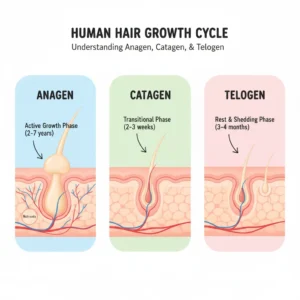
If you want to understand how to get the most out of your waxing routine, you have to understand the hair growth cycle. Every single hair on your body goes through three main phases.
Understanding these phases explains why you sometimes see stubble just a week after a fresh wax.
Anagen Phase (The Growth Phase)
This is the active growing stage. During the anagen phase, your hair is firmly attached to the root and is actively receiving a blood supply. Pulling the hair out during this stage is the most effective way to weaken the follicle. When you wax anagen hair, you are removing it right from the source of its nourishment.
Catagen Phase (The Transition Phase)
This is a short transition stage. The hair stops growing and separates from the blood supply. The lower part of the follicle begins to shrink. If you wax a hair during the catagen phase, it will still leave you with smooth skin, but it will not damage the follicle as effectively as waxing during the anagen phase.
Telogen Phase (The Resting Phase)
This is the final stage before the hair naturally falls out. The hair is completely dead and just resting in the follicle. A new anagen hair is likely already starting to grow beneath it. If you wax during the telogen phase, you pull out the dead hair, but the new hair underneath is already on its way. This is why you might see new growth just a few days after a wax.
Because every hair on your body is in a different phase at any given time, it takes several consistent waxing sessions to align your hair cycles. Once you get your hair on the same growth schedule, you will enjoy much longer periods of smooth skin.
Waxing vs. Shaving: A Quick Comparison
We touched on this earlier, but it is worth exploring deeper. Many people wonder if they should just stick to shaving if waxing does not offer permanent removal.
Here is how the two methods stack up against each other when it comes to long-term hair growth:
- Shaving: Cuts hair at the surface. Does not affect the root or the follicle. Hair grows back quickly and feels blunt or coarse. Shaving has absolutely zero impact on reducing hair growth over time.
- Waxing: Pulls hair from the root. Causes minor trauma to the follicle. Hair takes weeks to grow back and often returns thinner and softer. Regular waxing can actively reduce hair growth and density over time.
If your primary goal is to eventually deal with less hair, waxing is the clear winner between the two. Shaving will keep you in a never-ending loop of daily or weekly maintenance.
Factors That Influence Your Hair Growth
If you are hoping waxing will thin out your body hair, keep in mind that several internal and external factors can speed up or slow down your progress.
Genetics and Hormones
Your DNA determines how much body hair you have, how thick it is, and where it grows. Some people are simply genetically predisposed to having thick, resilient hair follicles.
Hormonal changes also cause massive shifts in hair growth. Pregnancy, menopause, puberty, or conditions like Polycystic Ovary Syndrome (PCOS) can cause sudden surges in body hair. If you are experiencing a hormonal shift, you might find that waxing seems less effective than it used to be. The hormones are essentially overriding the damage done to the follicle, commanding it to keep producing hair.
Consistency in Your Routine
If there is one secret to getting the most out of waxing, it is consistency.
Every time you shave between wax appointments, you undo your progress. Shaving allows the follicle to rest, heal, and rebuild its strength. To weaken the hair permanently, you must keep pulling it out by the root every four to six weeks. Do not let the follicle recover.
How to Maximize the Benefits of Waxing
If you are committed to the waxing lifestyle and want to see your hair grow back finer and slower, you need a good skin care routine. Taking care of your skin before and after a wax makes the process less painful and far more effective.
Here are a few ways to get the best possible results:
- Exfoliate regularly: Dead skin cells can trap growing hair, leading to painful ingrown hairs. Gently exfoliate your skin two to three times a week to keep the follicle clear.
- Moisturize daily: Hydrated skin releases hair much easier than dry, flaky skin. Use a lightweight, fragrance-free lotion every day to keep your skin supple.
- Let it grow: Your hair needs to be at least a quarter of an inch long for the wax to grip it properly. Resist the urge to tweeze or shave when the stubble appears.
- Stay out of the sun: Freshly waxed skin is incredibly sensitive. Avoid direct sun exposure and skip the hot baths or saunas for at least 48 hours after your session.
- Keep your appointments: Stick to a four-to-six-week schedule. This aligns with your hair growth cycle and catches most of the hair in the anagen phase.
Frequently Asked Questions (FAQs)
Still have a few lingering concerns? Here are the most common questions we hear about waxing and hair growth.
Will waxing completely stop my hair from growing?
No, waxing is not a permanent hair removal method. While it can significantly thin out your hair and create sparse patches over time, it will not completely destroy all your hair follicles. For permanent removal, you would need to look into laser treatments or electrolysis.
How long does it take to see thinner hair from waxing?
Patience is a requirement here. Most people need to wax consistently every four to six weeks for about six to eight months before they notice a significant change in hair thickness. Your results will vary based on your genetics and hair type.
Can I shave between wax appointments?
You absolutely should not shave between appointments. Shaving slices the hair bluntly and allows the follicle to heal. This undoes all the hard work of weakening the root. If you want thinner hair, put the razor down completely.
Does waxing make hair grow back thicker?
This is a very common myth, but it is entirely false. Waxing damages the follicle, which results in finer, thinner hair. When people feel thick hair returning, it is usually because they shaved recently, or they are experiencing a hormonal change that is triggering new hair growth.
Why do I have stubble a week after waxing?
This happens because of the hair growth cycle. During your wax, some hairs were in the resting phase beneath the skin, just waiting to sprout. The wax could not reach them. By keeping up with regular appointments, you will eventually sync these cycles up, resulting in a smoother finish that lasts much longer.
Final Thoughts
So, does waxing reduce hair growth? Yes, it certainly can. By repeatedly removing hair from the root, you weaken the follicle, leading to finer, softer, and sparser hair over time.
However, it requires dedication. You have to commit to regular sessions, endure the awkward grow-out phases, and absolutely banish the razor from your bathroom. If you can stay consistent, you will likely find yourself enjoying smoother skin for much longer stretches of time.
If you found this guide helpful and want to learn more about how to care for your hair and skin, we would love to keep you in the loop. Join our community at Hair Care Growth for more honest, science-backed insights sent straight to your inbox. Sign up for our free newsletter today and take the first step toward a smarter, healthier beauty routine!