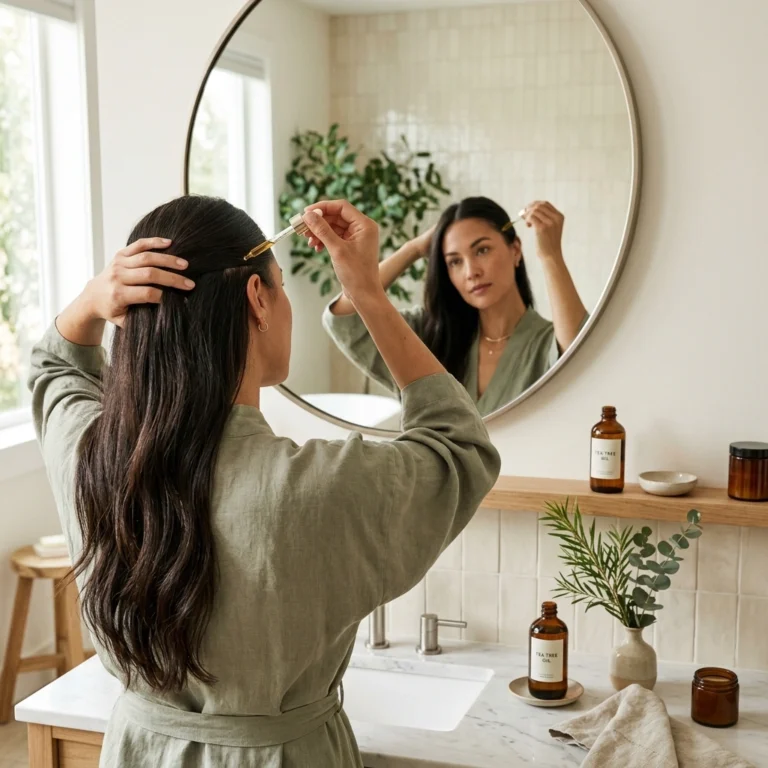

You’re wondering if your shampoo is the issue as you see strands go down the drain in the shower. I know how that feels. I’ve spent years trying products on my own thinning hairline and helping friends sort through the noise, and I learned one thing fast: the bottle is more important than most people think.
The right natural shampoo isn’t going to magically grow you a full head of hair. But it can gently clean your scalp, reduce buildup, and create a healthier base for the hair you already have. That’s an attainable goal and a goal worth pursuing.
What this guide will give you:
- How does a natural shampoo work
- The key ingredients to look for
- What Causes Hair to Thin? Common Causes of Hair Thinning
- How to select a hair type-appropriate formula
- What works and how to avoid mistakes
Let’s do this.
What Makes a Natural Shampoo Effective
Natural gets slapped on a lot of labels. The word alone doesn’t tell you much, because it’s not a regulated term. Instead, focus on what the formula does.
A good natural shampoo cleans without stripping. Harsh detergents can dry out your scalp, making it itchy and irritated. That annoyance isn’t going to help hair grow at all.
Keep an eye out for these signs of a quality formula:
- Gentle cleansing sulfate-free shampoo that helps maintain your scalp barrier
- Plant-based cleansers instead of strong foaming agents.
- Ingredients that promote scalp health, such as soothing oils and botanicals
- Short, easy-to-read list of ingredients, no wall of chemicals you don’t know
Here’s the plain truth. Shampoo sits on your scalp for a minute or two, then it washes out. Therefore, it is unable to produce spectacular effects on its own. Its actual job is to keep your scalp clean and calm so your follicles can do their job.
Key point: Your scalp skin is protected by an excellent natural shampoo. It does not claim magic.
Key Ingredients That Support Hair Growth
Some ingredients on a label should catch your eye. They each play a different role. Let me show you the ones I have faith in.”
Biotin (vitamin H)
Biotin is a B vitamin associated with keratin, the protein that makes up your hair. It coats the shampoo strand and can give the impression that the hair is thicker. While biotin may be a helpful addition for washing, the most important thing to do is to eat biotin-rich foods.
Oil of Peppermint
Your head tingles with cooling from the peppermint oil. An increase in blood flow to the area is the cause of such feeling. Some preliminary studies suggest that this could foster a healthier growth environment, but further research is needed.
Saw Palmetto Extract
A plant extract called saw palmetto is frequently used in remedies for thinning hair. The theory is that it can influence hormones related to hair loss. The evidence is still sparse, so think of it as an adjunct, not a cure.
Tea-tree oil
My favorite is tea tree oil for a flaky or oily scalp. With its cleansing properties, it helps to clear buildup and calm irritation. A clean scalp just feels better and gives your hair a fresh start.
Arganöl
Conditioning hero: Argan oil. lessens breakage, smoothes the hair strand, and increases luster. Less thinning is more subtle, and less breakage keeps your hair longer.
Quick tip: don’t run out and buy a product with every ingredient on this list. Two or three well-formed ingredients will always beat a crowded label.
What Initially Leads to Hair Thinning
Although the shampoo is beneficial for the scalp, it won’t address every factor contributing to hair loss. Knowing the true reason you’re shedding helps you set fair expectations.
People usually lose 50 to 100 hairs every day, according to the Mayo Clinic. That shedding is a normal part of life.. The new growth doesn’t catch up. Problems arise.
Here are some common causes:
- Genetics. The most common cause is hereditary hair loss, which usually runs in families.
- Hormone changes. Pregnancy, menopause, and thyroid problems can all cause shedding.
- Tension. Months later, temporary thinning can result from a major physical or emotional shock.
- Pulling hair styles. Tight braids and ponytails can cause traction alopecia over time.
- Malnutrition. 11. Your follicles need fuel to grow those strong strands.
The American Academy of Dermatology has a helpful reference site for additional details on particular forms of hair loss:
My sincere advice is: If you notice sudden, patchy, or irregular hair loss, consult a doctor or dermatologist. A condition that shampoo won’t solve could be the cause of sudden hair loss.
How to Pick a Natural Shampoo Depending on Your Hair Type
It’s possible that the shampoo that works best for your friend won’t work well for you. The hair game is different. Choose the formula that best meets your requirements.
You should give your roots a thorough yet gentle cleaning if you see them becoming oily very rapidly. Look for goods that contain peppermint or tea tree oils. Avoid using thick oils that cause your hair to feel heavy.
Damaged or Dry Hair
Moisture for dry hair. Opt for a sulfate-free shampoo with argan oil or other nourishing botanicals. Wash less to maintain your natural oils.
Fine Hair / Thinning Hair
Fine hair is easily flattened. Choose a light formula that builds body without a residue. Shampoos that are biotin-based can make strands feel fuller.
Curly / Coily Hair
Curly textures tend to be dry and brittle. A sulfate-free creamy wash that protects moisture and reduces breakage. Take care, particularly if your hair is wet.
Know Your Scalp and Texture First. The Bottom Line. Selecting the appropriate one makes a big difference.
Common Mistakes to Avoid
I made so many of these mistakes myself before I learned better. Skip them, and you’ll save time, money, and frustration.
- Too much washing. Washing your hair daily can strip your scalp and dry out your hair. Most people can do it two or three times a week.
- Scrubbing with your fingernails. Use your fingers instead. Nails can irritate and scratch your scalp.
- Washing the ends with shampoo. Concentrate on the scalp. As you rinse, the suds clean your lengths.
- Desiring results overnight. Hair grows slowly, about 1/2 inch a month. Allow any product eight to twelve weeks.
- Drop the rest of your routine. Damage comes from heat tools, tight styles, and rough towel drying.
Common mistake: Switching products weekly. Better than always changing is consistency.
Expert Tips for Healthier Hair Growth
Small habits make a difference. These are the practices I return to because they really work.
- Handle gently when wet. Wet hair is easily stretched and broken. Don’t rub roughly; use a wide-tooth comb.
- Massage your head. A two-minute massage in the shower is nice and helps distribute product evenly.
- Rinse in cool water. It seals the strand and keeps hair looking smooth.”
- Protect your hair from the sun. On sunny days, a hat or a scarf protects your strands and scalp.
- Feed your hair from within. A balanced diet that contains protein, iron, and vitamins is more supportive of growth than any bottle can be.
Tip: Use your natural shampoo for a healthy lifestyle. “They’re working together, not separately.
Frequently Asked Questions
Does natural shampoo make hair grow?
Shampoo will not grow your hair back. A good natural shampoo will keep your scalp clean and healthy, which will support the hair you have. If you’re worried about actual regrowth, see a dermatologist.
When do I start to see results?
Give it 8 to 12 weeks. Hair grows slowly, so have patience. You might get less breakage, a more relaxed scalp, sooner.
Is sulfate free shampoo good for hair growth?
Sulfate-free formulas are more gentle on the scalp barrier. This more gentle approach is often successful for thinning or sensitive hair.
How many times do I wash my hair?
Most people do fine washing 2 or 3 times a week. Oily scalps may need more, dry hair less. Adjust as per the feeling of your scalp.
Can I use natural ingredients for color treated hair?
Many sulfate-free natural shampoos are safe to use on color treated hair. Always read the label and do a patch test if your skin is sensitive.
When to see a doctor for hair loss?
If you notice sudden patchy or heavy shedding, consult a doctor. Sudden hair loss can be a sign of a medical problem, Mayo Clinic says.
You still need a conditioner?
Yes, for most types of hair. The conditioner smooths the strands and reduces breakage which helps your hair to retain its length.
Final Thoughts
Healthy scalp is a foundation to healthy hair growth and right natural shampoo is your key to that. Try a gentle, sulfate-free formula with ingredients suited for your hair type. No more harsh detergents. No more empty promises.
Think of the bigger picture. Good nutrition, gentle handling and patience are part of the equation, as is shampoo. Let the routine work and see how your scalp reacts.
If you see sudden or severe thinning of your hair, don’t just use shampoo. Get checked by a dermatologist who can find the real cause.
The next step is simple. Take a look at the label of your shampoo right now and see if it is really good for your scalp.