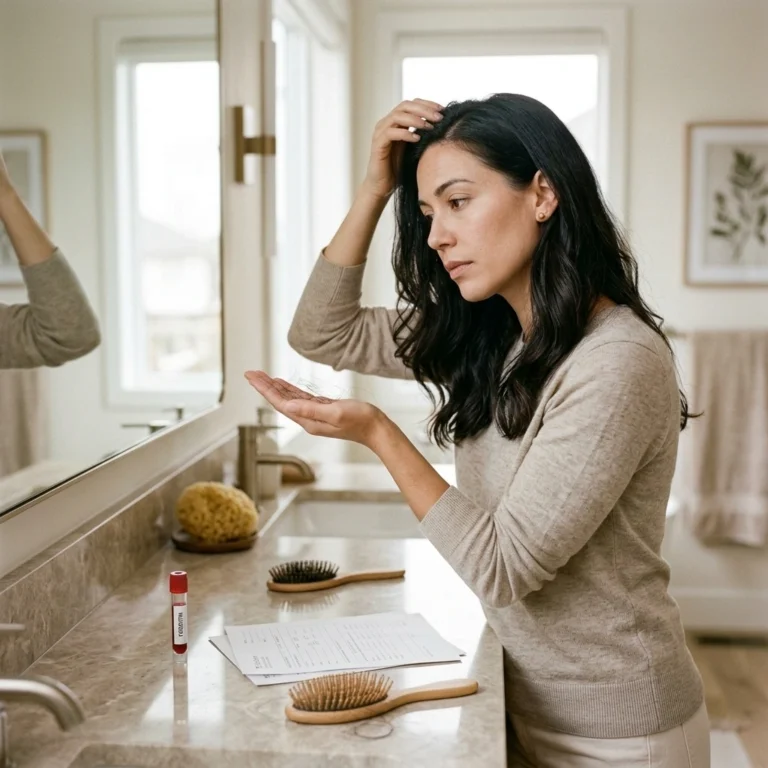

Let’s be honest for a moment: how many times have you been in the shampoo aisle holding a “sulfate free” bottle, questioning if it’s really worth the extra dollars? I have been there more times than I can remember! Today, those labels are everywhere: glowing on salon shelves, piled high at the drugstore, and starring in every other hair video online. And when something takes off this fast, I always want to slow down and ask the honest question: is this actually better for my hair or is it just clever packaging doing its job?
And after years of fiddling with my hair and trying out way too many bottles, I’ve learned the answer is a bit of both. There is some real science behind the sulfate-free movement, but there is quite a bit of noise mixed in as well. Some people do need those kinder formulas, and they can tell the difference right away. Others are paying a premium for something that doesn’t clean their hair type well – and that stings a little, doesn’t it? The real win is knowing which camp you belong to, so you’re practicing smart hair care instead of expensive guesswork.
That is exactly what I want to walk you through here. We’ll unpack what sulfates actually do, what the research really says, who thrives on going sulfate-free, who’s better off skipping it, and how to choose the right shampoo for your hair. No trend chasing. No scary myths. Just friendly, honest info you can put to work in the shower tomorrow morning!
The science of surfactants
Sulphates are part of a family of ingredients known as surfactants (short for surface-active agents). They don’t usually mix water and oil themselves. That’s their whole job – to help them do that.
Sebum is a natural oil that the scalp produces to help keep the hair protected and soft. Good. Sebum, however, also collects perspiration, grime, dead skin cells, and styling product residue. Water is insufficient to deal with greasy accumulation. Sulphates are used here.
One end of a sulphate molecule forms a bond with oil, while the other end forms a bond with water. The grease attracts those molecules. They wash away when you shampoo. Sulphates became a mainstay in shampoos because of their straightforward, dependable process.
A peer-reviewed publication in the Indian Journal of Dermatology states that “surfactants are the main functional ingredient in any shampoo, everything else is just supporting cast” (D’Souza & Rathi, 2015, via NIH/PMC).
Both sodium lauryl and sodium laureth sulphate
These are the two that are most frequently observed:
- SLS, or sodium lauryl sulphate, is harsh, highly effective, and produces a lot of lather. works great on hair that is greasy. On dry or sensitive hair, it may be too stripping.
- A kinder, chemically modified version of SLS is called sodium laureth sulphate (SLES). It is less likely to irritate you and cleans effectively. popular in moisturising and daily shampoos.
Due to their affordability, dependability, and strength, both are the industry standard. We’ll address that misconception shortly. Neither is intrinsically harmful nor poisonous.
The Foam Mirage
Fun fact: the amount of foam a shampoo produces has nothing to do with how clean it gets. The NIH study specifically states that foaming agents such as cocodiethanolamide are added to satisfy consumer expectations, not to enhance cleaning ability.
You just didn’t see the bubbles. If you’ve ever switched to a sulfate-free formula and thought, “this can’t be working,” you missed the bubbles. The cleaning continued.
Why Did Sulfates Become So Controversial?
Real Problems vs. Marketing Myths
It was an influential study that gave sulphates a bad name. It was a slow drip of blog posts, clean beauty campaigns, and fear-mongering around ingredients. That doesn’t mean all concern is unwarranted – but it does mean we need to look at each one carefully.
Here’s the bottom line:
Sulphates will remove your natural oils.
It’s partly true. SLS can also strip too much of the oils some hair types need, leaving it dry, rough, and prone to tangling. This is supported by the D’Souza & Rathi study, which states “excessively cleaned hair is harsh, rough, dull with frizz and prone to tangling”. The fix is usually a good conditioner, not necessarily ditching sulphates completely. “Sulfates are bad for hair loss.”
There’s no evidence of that. There is no credible research that links sulphate shampoos to hair loss at the level of the follicle. Sometimes people confuse breakage with shedding. Those are different problems with different reasons.
Sulphates damage the hair permanently.
Way too much. Vulnerable hair types can become drier or more brittle if they are repeatedly used without conditioning.” But this isn’t permanent damage caused by sulphates themselves—this is the effect of an imbalanced routine.
Sulphates are toxic
No. The FDA and other regulatory agencies review cosmetic ingredients, and sulphates in rinse-off products like shampoo are safe at typical use concentrations. Adverse reactions to well-formulated shampoos are rare, according to the American Academy of Dermatology (AAD).
Sulfate-free is always better.
Nope. This one gets under the skin of dermatologists and hair scientists both. What’s “better” is entirely dependent on your hair type, your scalp condition, and how you style your hair.
What the Research Actually Shows
How Sulphates Affect Hair and Scalp
If you have a healthy scalp, normal to oily hair, sulphates generally do what they’re supposed to do – clean well, rinse well, leave hair manageable with a good conditioner.
If your hair is dry, chemically treated, or structurally fragile, stripping oil in a harsh way can push your hair toward dryness and frizz. That’s not sulphates being “toxic”. It’s just not the right formula for the hair type.
Scalp pH matters, too. A study published by the NIH says shampoos should have a pH of no more than 5.5, which is the natural pH of the scalp, to avoid irritation and swelling of the hair shaft. This is valid for sulphate and sulphate-free formulas.
When AAD Suggests Avoiding Sulphates
According to the American Academy of Dermatology, people with eczema, contact dermatitis, or chronically sensitive skin should avoid sulphates. In these cases, even well-formulated sulphate shampoos can cause or exacerbate symptoms.
If this sounds like you, going sulfate-free isn’t just a preference — it’s a smart choice.
Sulphates and Hair Loss: Separating Fact from Fiction
This deserves its own moment of clarity. The follicle is where the hair loss happens. Breakage occurs along the hair shaft. Sulphates can dry out the hair and make breakage worse in fragile hair, but they do not affect the follicle, disrupt growth cycles, or are associated with shedding disorders. Changing your shampoo is not going to fix a lot of hair fall. You need to see a dermatologist.
The Real Benefits of Sulfate-Free Shampoos
They’re more gentle, really
This isn’t marketing, this is chemistry. Less aggressive surfactants remove less oil, reducing the likelihood of the tight, stripped sensation some people experience after washing. That gentle touch really does matter for scalps that are already irritated or sensitive.
Improved Moisture Retention
When a shampoo doesn’t strip too much, there’s more of the hair’s natural moisture left behind. Switching can result in a softer texture, less frizz, and more manageability over time for people with dry or coarse hair.
Longer colour retention
On the exterior of the hair are colour molecules. Aggressive cleansers break down that layer faster and cause the colour to fade faster. Because they are less harsh, sulfate-free formulas are often recommended by colourists and salons in the wake of dyeing or highlighting your hair.
Kinky & Coily Hair Flourishes
Curly hair is more porous than straight hair and will lose moisture more quickly. In between washes, sulfate-free formulations help coily and curly textures retain moisture, keep curls defined, and lessen frizz. This is not just anecdotal. It is directly in line with what we know about curly hair’s reaction to moisture and detergents.
Chemical Treatments Conserve
Excessive cleansing can shorten the life of keratin treatments, hair relaxers, and smoothing services. Sulfate-free shampoos are also gentler on the bonds these treatments create, which helps keep results lasting longer between salon visits.
The Downsides—Because There Are Real Ones
They won’t handle heavy buildup.
If you have a very oily scalp or if you regularly use heavy styling creams, silicone-based serums, or dry shampoo, gentle surfactants may not be enough. Hair may become limp, dull, or scratchy owing to residue buildup. This is one of the most common complaints from people who go sulfate-free without changing their entire routine.
Some people need to wash twice.
Because milder formulas clean less aggressively, sometimes a single wash doesn’t clear everything. In the sulfate-free world, double cleansing (two shampoos per session) is common, adding time and product per wash.
Less Lather, More Questions
There is a real psychological hurdle. People who are used to thick, foamy shampoos frequently believe that a low-lather recipe is ineffective. It’s functioning, but not in the same manner. The product is the surfactant, not the foam.
The Price Differential
As a rule, sulfate-free shampoos cost more. Some of that is coming from more costly alternative surfactants. That’s a bit of positioning in the marketplace. The price usually reflects that when a formula is labelled “clean” or “gentle”—even if the difference in performance is slight.
Sulfate Shampoo vs. Sulfate-Free: A Clear Comparison
|
Feature |
Sulfato Shampoo |
Sulfato-Free Shampoo |
|---|---|---|
|
DETOXIFICATION |
Strongly |
Mild-moderate |
|
Foam |
High |
Medium to low |
|
Oil removal |
Very Good |
Fair |
|
Moisture retention |
Less |
More |
|
Color protection |
Less robust |
More robust |
|
Curly / coily hair |
Not quite correct |
Good for |
|
Scalp sensitive |
May cause irritation |
Richer choice |
|
Removal of product build up |
Very Good |
Often not good enough |
|
Post-treatment hair care |
Can narrow results |
Helps to keep them |
|
Suitable for daily use |
Oily hair: best for |
Best for dry / curly hair |
Who Should Actually Use Sulfate-Free Shampoo?
The individuals who tend to see the greatest improvements:
- Dry hair: Sulfate-free products help seal in the moisture dry strands so desperately need.
- Curly and coily hair: Locks in moisture, fights frizz, helps hold pattern.
- Colour-treated hair: Helps to prevent colour loss and retain vibrancy between touch-ups.
- Sensitive Scalp: Helps relieve tightness, redness, and irritation after washing.
- Eczema or Contact Dermatitis: As recommended by AAD, avoid harsh surfactants.
- Keratin or Chemically Treated Hair Gentle Cleansing Prolongs Treatment Results
Sulphate-free is a good and well-supported choice if any of these criteria are met.
Who’s Probably Better Off With a Sulfate Shampoo?
- Extremely greasy scalps that require frequent or daily washing
- Athletes, or people who sweat a lot and wash a lot
- People who regularly use pomades, waxes, or heavy silicone-based products
- straight fine hair that hangs flat and limp
- Anyone with dandruff or scalp buildup who needs stronger removal
For these people, a switch to a sulfate-free formula often causes more problems than it solves.
Sulfate-Free Doesn’t Automatically Mean Safe or Superior
The Clean Beauty Language Problem
“Natural.” Non-toxic. Chemical-free. You hear these phrases everywhere, and almost none of them have regulated definitions in the U.S. cosmetics industry. A product that is labelled “natural” may have synthetic preservatives, fragrance allergens, or essential oils that can cause reactions on the scalp. “Chemical-free” is a logical impossibility. Every product’s ingredient, even water, is a chemical. These labels are about feeling, not fact. Don’t let them replace label reading.
See full list of ingredients.
Shampoo isn’t automatically gentle just because it doesn’t have sulphates. Certain sulphate-free formulas contain fragrances, preservatives, or surfactant blends that create their own problems. A formula works like a system; every ingredient interacts with others. Evaluating a product based on a single missing element is like to evaluating a recipe based on a single replacement.
What Replaces Sulfates in Sulfate-Free Formulas?
Formulators are switching to milder alternatives to standard sulphates. This is what you usually see:
- Cocamidopropyl Betaine — amphoteric surfactant, gentle, decent lather, used often in baby shampoos.
- Sodium Cocoyl Isethionate — creamy, good for skin, often used in solid and liquid formulations
- Sodium Lauroyl Methyl Isethionate — gentle, nice skin feel. Decyl Glucoside — plant-derived, very mild, popular in sensitive and natural formulations
- Coco Glucoside – similar profile, often used with other mild surfactants
- Sodium Lauroyl Sarcosinate — a mild cleanser, provides some conditioning benefits.
These other options don’t clean as aggressively as SLS or SLES, which is the point. They are good for hair that doesn’t need heavy-duty cleansing. They often fail for oily hair or hair laden with product.
Can Sulfate-Free Shampoos Still Cause Reactions?
Yes, and that shocks people. Going sulfate-free doesn’t mean you’re free from irritation. In sulfate-free recipes, common problematic constituents include:
- One of the most frequent causes of contact dermatitis is synthetic perfumes.
- Preservatives such as methylisothiazolinone, which dermatologists have flagged for the risk of sensitisation
- Sensitive scalps may be irritated by essential oils such as lavender, tea tree, eucalyptus, and others.
- Botanical extracts – ‘natural‘ isn’t non-reactive
If the flaking, redness, or itching persists after using a sulfate-free solution, the sulphates were not the cause. See the entire list of ingredients and think about doing a patch test or talking to a dermatologist.
Common Myths—Corrected
Myth: Sulphates are poisonous.
Sulphates are not considered toxic at the levels used in rinse-off hair care products. They are regulated by agencies and have been used safely for decades.
Myth: Sulphates cause hair loss.
Hair loss is a follicle problem. Sulphates don’t get into the follicle in a way that inhibits growth. If you’re losing hair, the shampoo isn’t making you lose hair.
Myth: Sulfate-Free Shampoos Are for Everyone
They don’t, and for people with oily scalps or significant product buildup, they frequently make matters worse.
Myth: More lather, better cleaning.
The study on shampoo ingredients published by the NIH is clear on this: foam serves no cleansing function. It’s there for the effect.
Myth: Plant-based or natural shampoos are milder.
Some ingredients derived from plants may be irritating. The “natural” origin has nothing to do with safety or compatibility with your scalp.
How to determine which shampoo is best for your type of hair
Oily hair or scalp: A sulphate shampoo or a targeted clarifying formula. No Compromise on Cleaning Power.
Dry or brittle hair: With moisturising co-surfactants and sulfate-free. End with a conditioning treatment.
Sulfate-free, moisturising, and ideally made specifically for textured hair (curly or coily hair). Check the ingredients for glycerin or natural oils.
Fine, straight hair: A lightweight, sulfate-free formula that won’t weigh hair down. Steer clear of the shampoo’s strong conditioning ingredients.
Thick or Coarse Hair: Both are OK – Just worry about keeping it hydrated and controlling frizz, not sulphate status.
Coloured hair: Look for sulphate-free, colour-safe labelled, and ideally pH-balanced to help seal the cuticle.
Sulfate-free, fragrance-free, and optimally checked against recognised sensitisers for skin or scalp issues. If you have eczema or contact dermatitis, the AAD recommends avoiding sulphates.
Making the Transition: What to Expect
The transition to sulphate-free isn’t always smooth sailing, especially if your hair has been used to the stronger cleansing for years.
First few weeks: Hair may feel heavier or greasier than usual. It can take time for your scalp to recalibrate its sebum production. For the majority of people, this is only temporary; wait three to four weeks before making any judgements.
Managing buildup: Use a gentle clarifying shampoo weekly or biweekly if you use styling products to prevent buildup of residue.
How you know it’s working: Hair feels softer after washing, curl pattern is better, scalp feels calm, colour looks brighter and longer.
Itchy scalp, flat hair, greasiness that won’t go away, and buildup that won’t rinse off are indicators that it’s not a good fit. These are signs it’s time to reevaluate—whether the formula or if sulfate-free is even right for your hair type.
Frequently Asked Questions
Are “sulfate-free” shampoos really better?
For some people, really yes. For some, not at all. The honest answer really depends on your hair type and your scalp condition.
Can switching shampoos prevent hair loss?
No shampoo causes or cures true hair loss. If you’re seeing a lot of shedding, go to a dermatologist rather than switching products.
Does sulfate-free mean better hair cleansing?
Yes, but they do it more gently and with less foam. Most hair types that these formulas work well on come out clean and comfortable after they are washed.
Is sulphate-free good for oily hair?
Usually no. Oil-soluble scalp needs stronger surfactants to keep its balance. They often feel unclean after mild alternatives.
Is sulphate-free shampoo safe for children?
Sure. Gentle formulas are often best for children, especially those with sensitive scalps.
How often should you use sulphate-free shampoo?
As often as you wash your hair. There is no hard and fast rule – some people are fine with daily use, some wash two to three times per week.
Do sulphate-free shampoos expire?
Yes. Look for the period-after-opening symbol (the little jar icon) on the packaging, and if anything smells off or has changed consistency, chuck the product.
Is the additional cash worthwhile?
Yes, if it truly helps your hair (reduced dryness, better colour retention, calmer scalp). So if you have fine or oily hair and it’s not working better for you, there’s no good reason to pay more.
Expert Guidance for Smarter Shampoo Shopping
- Start at your scalp, not your hair. It all boils down to maintaining a healthy scalp. An itchy, flaky, or overly oily scalp doesn’t tell you more about what formula you need than your hair length or texture.
- Less important than your hair type is the label. Sulfate-free does not automatically mean good, just as sulfate-containing products do not automatically mean bad.
- Check out the ingredients. A bottle’s front serves as marketing. The ingredient list is information.
- And don’t forget the conditioner. A good conditioner is what gives your hair a manageable, soft, and protective feel, regardless of whether you use a sulfate-containing or sulfate-free shampoo.
- Occasionally use a clarifying shampoo. Even if you’re sulfate-free, a monthly clarifying wash will help get rid of the buildup left behind by gentle formulas.
- Test new products in a small area. This is especially important if you have a history of skin reactions or sensitive skin on your scalp.
Key Takeaways
- Sulphates are good at cleaning and are generally considered safe. They’re not the monsters they’ve been made out to be.
- For dry, curly, coily, color-treated, and sensitive hair, sulphate-free shampoos offer significant advantages.
- Formulas that contain sulphates tend to work better on oily scalps, those who use a lot of product, and athletes.
- Just because a product is “natural,” “clean,” and “chemical-free,” doesn’t mean it’s going to be good for your hair.
- The best shampoo is one that works for your scalp condition and your hair type. End of discussion.
Conclusion
Sulfate-free shampoos have been somewhere between miracle product and overpriced trend in the public conversation — and the truth is, neither is true.
If you have dry hair, curly hair, color-treated hair, or sensitive hair, going sulfate-free can make a noticeable difference. If you have an oily scalp, hair that tends to build up, or an especially active lifestyle, a good sulphate shampoo will often do better.
The biggest shift isn’t from sulphate to sulphate-free. It is the direction of hair knowledge. Knowing your scalp needs and how your hair behaves means you stop wasting money on the wrong products and start developing a routine that actually works.
Want to know more? HairCareGrowth.com is all about the ingredients, routines, and real-world advice your hair really needs. No trend-following necessary.
Medical Disclaimer: This content is for informational purposes only and does not replace professional medical advice, diagnosis, or treatment. If you’re experiencing significant or sudden hair loss, please consult a licensed dermatologist or healthcare provider.