Skincare products are used to improve the health and appearance of the skin, but many people wonder if products used on the face, forehead, or hairline might contribute to hair loss.
Bottom line: Using skincare products typically won’t cause permanent hair loss. However, certain products or ingredients may also cause temporary shedding, scalp irritation, inflammation or breakage for some individuals. The risk is higher when skincare products are in regular contact with the scalp or hairline.
For example, heavy moisturisers, sunscreens, facial oils or treatment creams can leave a residue around the hairline. In some people, this buildup can cause skin irritation or create a situation where the scalp becomes uncomfortable, itchy or inflamed. Scalp irritation can interfere with the normal hair growth cycle.
It is important to understand that hair loss is a disease with multiple factors. Hair loss, for example, is still much more likely to be due to genetics, hormonal changes, nutritional deficiencies, stress, medications, underlying health conditions, or scalp disorders than to skin care products.
In this guide, we’ll look at whether skincare products can cause hair loss, what ingredients can irritate the scalp, how to determine if a product is the culprit, and how to maintain a skincare routine that supports both skin and hair health.
Disclaimer: This material should not be used as a replacement for expert medical advice; rather, it is meant for general educational reasons. If you have sudden, severe, or persistent hair loss, see a dermatologist or other qualified healthcare professional to find out the cause.
Can Using Skincare Products Cause Hair Loss?
How skincare products can affect hair growth
Most skincare formulations are not intended to be used on the scalp, although they are often applied in the immediate vicinity of areas of hair growth. Products applied to the forehead, temples, cheeks and hairline can migrate to the scalp over time.
The effect thus obtained is a function of a number of factors such as:
- The ingredients present in the product
- Skin and scalp sensitivity
- How often the product is used
- If the product has been completely removed
- Pre-existing scalp conditions
There are a few indirect ways in which skincare products can cause hair problems.
1. Irritation on the scalp
Sensitive skin may be irritated by certain ingredients in skincare products. If irritation develops on the hairline or scalp, symptoms may include:
- Redness, itchiness
- Burning sensations
- Dryness
- Scaling
- Increased sensitivity
Chronic inflammation can lead to an unhealthy scalp environment. Or, maybe you have inflammation on the scalp or some other dermatologic condition that can contribute to hair shedding, as the American Academy of Dermatology (AAD) notes. That’s why it’s so important to get an accurate diagnosis.
2. Build-Up of Hair Follicle Product
Heavy skin care products can leave a residue near the hair roots, especially if they are applied frequently.
Common examples are:
- Heavy creams at night
- Facial oils
- Moisturisers that occlude
- Rich sunscreens
- Oil products
The buildup itself will not cause hair loss, but it can cause scalp discomfort, clogged pores, or make it difficult to keep the scalp clean.
3. HYPERSENSITIVITY REACTIONS
When the immune system reacts to a substance touching the skin, some people can develop allergic contact dermatitis to certain ingredients in skincare.
Signs that could be present are:
- Itchy rash
- Swelling
- Redness
- Tenderness
- Hair loss in the affected areas
If hair loss happens shortly after starting a new skincare product, it might be time to look into whether a reaction to an ingredient is responsible.
Temporary Hair Loss vs. Permanent Hair Loss
The largest concern for many people is whether skin care products can cause permanent damage to hair follicles.
“Most hair concerns that are related to skincare are related to temporary irritation or inflammation, and not permanent follicular damage,” says Dr. Khetarpal. It helps to understand the difference between common types of hair loss.
Temporary hair loss
The scalp can be stressed or irritated, and this can lead to temporary shedding. Possible contributing factors include:
- Skin inflammation
- Sickness
- High pressure
- Hormonal changes
- Deficiencies in nutrition
- Some medications
- Changes to hair-care routines
Increased shedding may result from a condition known as telogen effluvium, which occurs when an excessive number of hairs reach the resting phase of the development cycle. Medical authorities such as the Cleveland Clinic say this kind of shedding is usually temporary, but it’s still important to find and treat the trigger.
Permanent Hair Loss
Permanent hair loss is typically the result of damage or progressive changes to the hair follicle. The common causes are:
- Androgenetic alopecia (hereditary hair loss)
- Some autoimmune diseases
- Scarring of the scalp
These conditions generally require evaluation by a healthcare professional because the underlying cause is more than a topical skin care application.
Anyone noticing the following should seek professional help, not blame skincare products for the symptoms:
- A disappearing hairline
- Balding spots growing
- Thinning over months to years
- Scalp changes: scarring
How Skincare Products Can Impact Your Scalp and Hair
The scalp is skin, but it has special requirements because of the thousands of hair follicles on it and the natural oils it produces to protect the hair. Products made for the skin on your face may not be suitable for use around your scalp.
Product Build-Up at the Hairline
Many people apply skincare products to the temples and forehead not knowing how close they are to the hair roots. Repeated use of heavy products can cause a build-up of residue over time.
Typical examples include:
- More moisturiser on the forehead
- Sunscreen creeping into hairline
- Oils on face by temples
- Overnight creams getting onto pillows and hair
How Buildup Affects the Appearance of Your Hair
Product buildup can cause:
- Greasy or flat-looking hair
- More scalp pain
- Frequent washing requirements
- A feeling of heavy, blocked roots
Although buildup has not been proven to cause permanent hair loss, a clean, balanced scalp creates a healthier environment for hair growth.
Tips for Reducing Hairline Build-up:
- Apply facial products gently around the hairline.
- Unless the product is specifically made for the scalp, avoid applying thick creams straight to certain parts of the scalp.
- Remove product build-up on a regular basis.
- If you frequently have buildup, use lighter formulas.
Scalp inflammation and irritation
Healthy hair begins with a healthy scalp. A compromised skin barrier can make your scalp increasingly uncomfortable and sensitive.
The following people are more likely to be irritated:
- Sensitive skin
- Existing scalp conditions
- Excessive use of active ingredients
- Scent sensitivity
- Over-layering of products
Indications of Scalp Reaction to Product:
- Itchiness that lasts after you use a new product
- Stinging or burning
- Red spots at the hairline
- Increased dryness/flaking
- Tenderness to palpation of the scalp
If these symptoms develop after a new product is introduced, you might want to discontinue use of the product for a while and see if your symptoms improve. A systematic process, such as changing one product at a time, can help you identify possible triggers.
Skincare Ingredients That Can Affect Hair and Scalp Health
Not every skincare ingredient will harm your hair. Most ingredients are safe to use around your hairline and won’t cause any issues. In general, problems are caused by sensitivity, using the wrong product, overapplication, or products not suitable for the type of skin.
If you experience any scalp discomfort or increased shedding, reviewing the ingredient list of a new product can help identify potential offenders.
Fragrances and Synthetic Fragrance Chemicals
Fragrance is one of the most common causes of cosmetic sensitivity. Many people use fragranced skincare products and have no problems, but others can experience irritation or allergic reactions, for example:
- Pruritus, Erythema
- Dryness
- Skin sensitivity
- Irritation near the hairline
Fragranced products applied in the vicinity of the scalp may influence the comfort and condition of adjacent skin.
Who Should Use Fragrance-Free Products?
For people who have these concerns, fragrance-free formulations may be appropriate:
- Delicate skin
- Eczematous skin
- History of cosmetic reactions
- Sore scalp
Though there is no guarantee a fragrance-free product will be suitable for all, avoiding unnecessary irritants will be helpful for those with increased sensitivity.
Ingredients in Skincare Products That Are Alcohol-Based
The word “alcohol” in skincare products can be a little confusing, as not all alcohols are created equal. Some alcohols are good for improving absorption of the product and stabilising the formula and are lightweight, but they can also dry out or irritate some people.
When you use products with drying alcohols around your hairline too often, you can get:
- More dryness
- Tight skin
- Skin peeling
- Pain in the scalp
But alcohol-based products are not inherently damaging. Overall formulation, concentration of ingredients, and individual skin sensitivities still determine the outcome.
Active Ingredients That Are Strong And Can Cause Irritation
Strong active chemicals that are intended to address particular skin issues are frequently included in modern skincare formulas. While beneficial when used correctly, irritation may result from overuse or incorrect application.
Retinoids and Retinol:
Retinol and prescription retinoids are often used to:
- Refine the skin’s texture
- Support cellular renewal
- Reduce the appearance of ageing
Dryness, peeling, redness, and sensitivity are possible side effects. Some people may be sensitive to the product and may experience irritation of the skin around the hairline if the product is applied too close to the hairline.
Exfoliating acids (AHAs & BHAs)
Common acids used for exfoliation are salicylic acid, lactic acid, and glycolic acid. These components help to improve the texture of the skin and remove dead skin cells.
Overuse of these ingredients, in addition to too many other actives, or applied to already sensitive skin, can cause discomfort to the scalp and hairline and may require a gentler regimen.
Benzoyl peroxide
Although benzoyl peroxide, a popular acne treatment, can help lower the germs that cause acne, some people’s skin may be irritated or dried out by it. Use of products containing this ingredient near the hairline should be done with care by following the product instructions, as some formulations may also impact hair colour.
Occlusive ingredients & Heavy Oils
Many oils and moisturising ingredients can help dry skin by reducing water loss and aiding the skin barrier. That said, very heavy formulations may not work for everyone when applied close to the scalp.
Examples include thick facial oils, heavy balms, rich butter-based creams, and petroleum-based ointments.
Possible concerns include:
- Greasy roots
- Difficult to remove residue
- A feeling of heaviness on the scalp
- More product build-up
These effects are not proof that such ingredients directly cause hair loss. The main concern is if the product causes irritation or discomfort to the scalp.
Products That Are Likely to Impact Your Hairline
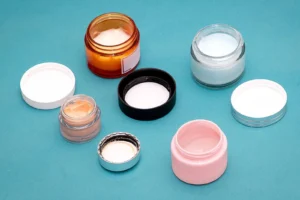
Some skin care products are more likely to get on your hair because of where you apply them.
Face Moisturisers and Creams
Moisturisers are a staple of any complete skincare routine, but some especially rich formulations can creep into the hairline.
Possible Problems:
- Residue at the hair roots
- Oily look
- Need more cleansing
- Scalp irritation in sensitive people
Suggested Practices:
- Apply moisturiser on the forehead carefully.
- Don’t push thick creams right up to the hairline.
- Choose a lighter formula if your scalp is oily or irritated.
Sunscreens and buildup on the hairline
Some formulations can feel heavy when applied around the scalp, and sunscreen must be applied daily to protect skin from ultraviolet (UV) damage.
Usual Problems:
- Oily hairline
- Product transfers to hair
- Residue removal is difficult
Choosing a Hairline-Friendly Sunscreen:
- Go for light textures.
- Choose noncomedogenic products.
- Make sure the cosmetics you choose are appropriate for your skin type.
- Select formulas that are simple to remove.
Sunscreen is not generally known to be a direct cause of hair loss. More often than not, the related issues are linked to irritation, sensitivity, or buildup.
Treatment and Anti-Aging Skin Care Products
Many anti-aging products contain active ingredients that need to be used with caution, such as retinol, prescription retinoids, chemical exfoliants, and potent treatment serums.
These products are helpful in treating skin problems, but applying them directly to the scalp or hairline without proper guidance may increase the chances of irritation.
Application Recommended Practices:
- Use treatment products only on the area intended.
- Follow product directions closely.
- Do not use more than one active ingredient at a time.
- Give your skin enough time to adjust to new products.
Signs Your Skincare Routine Might Be Hurting Your Hair

It can be difficult to find out what causes changes in hair, because there are many things that affect hair growth. But some patterns can indicate a skincare product is involved in the problem.
Most Common Warning Signs
- Hair loss that starts soon after starting a new skincare product
- Itching or burning at the hairline
- Redness or rash where it is applied
- An odd dryness or flaking of the scalp
- Increased sensitivity of the scalp
The timing correlation does not in itself prove causation but may be a useful indicator.
How to Spot a Possible Skincare Trigger
The suggestion is to use a systematic elimination approach, not to replace a whole routine at once.
Step 1: Check Recent Changes
Imagine the following:
- Is there a new moisturiser, serum, or sunscreen out there?
- Was there a change in several products?
- When did the scalp irritation start? Was a new product introduced?
Step 2: Stop one of the suspected products
- Avoid using the suspected product for a period of time.
- Proceed with the products previously allowed.
- Watch for symptoms to improve.
Step 3: Reintroduce with Caution
- If symptoms subside, reintroduce the product gradually if you wish.
- If irritation occurs, stop using the product.
This systematic approach simplifies trigger identification without unnecessary changes to the whole routine.
Select Skincare Products That Are Kind to Your Hair
A hair-friendly skincare routine doesn’t mean you have to forgo skincare products altogether. The aim is to choose products that are effective for your skin, scalp, and lifestyle.
Look for Mild Formulas
The following are suitable products for people with sensitive skin or scalp issues:
- No fragrance
- Light
- Noncomedogenic
- Designed for sensitive skin
- No unnecessary irritants
The best product depends on your needs.
Know Your Skin and Hair Type
For Oily Skin & Hair:
- Lightweight hydrators
- Gel formulations
- Sunscreens that are not greasy
- Don’t place heavy products near roots
For Dry Skin & Hair:
- Moisturising ingredients
- Moisturisers to help support barriers
- Gentle cleansing routines
Having a dry scalp doesn’t mean you need to pile on the heavy oils on the scalp. Balance is still key.
- Minimal ingredient formulations
- Patch testing of new products
- Avoidance of unnecessary scent
- Gradually introduce one product at a time
Tips to Avoid Hair Problems From Skincare Products
There can be a good skin routine and a good hair routine. “It’s not about avoiding skincare products altogether, but using them in a way that protects the scalp and the hairline. Small changes to application method, product choice and cleansing routine can help to minimise chances of irritation or build-up.”
Apply Your Skincare Products Properly
How you use the product is just as important as the product you choose. When applying moisturiser, sunscreen or treatments, many people inadvertently get facial products into the hairline.
Best Practices:
- Apply skincare products only where they are intended.
- Avoid massaging the scalp with thick creams.
- If you can, leave a little gap between heavy products and the hairline.
- Allow products to fully soak in before wearing hats, headbands, or styling products.
- Wash hands after strong treatments, before touching hair.
If you use leave-in hair products, oils, or styling products regularly, consider the layering of these with skincare products. Too much layering close to the hairline may result in more residue buildup.
Keep a Healthy Scalp Routine
A balanced scalp environment contributes to healthy-looking hair. Good scalp care is:
- Hair washing according to the particular needs of the scalp
- Removing excess product buildup
- Don’t scrub aggressively
- Use of mild cleansing products when irritated
There is no universal washing routine that is right for everyone. The frequency of washing depends on how oily your skin is, how active you are, and the products you use. The goal is a comfortable scalp that’s neither too dry nor too oily.
Launch new products in phases
It might be difficult to pinpoint the cause of irritation when introducing multiple new skincare products at once.
Proposed Approach:
- Launch one new product at a time.
- Keep using the product for a reasonable trial period.
- Watch for skin and scalp comfort changes.
- Discontinue use if a definite adverse reaction occurs.
Finding any sensitivity can also be aided by performing a patch test on a small area of skin beforehand.
When to Visit a Dermatologist or Hair Specialist?
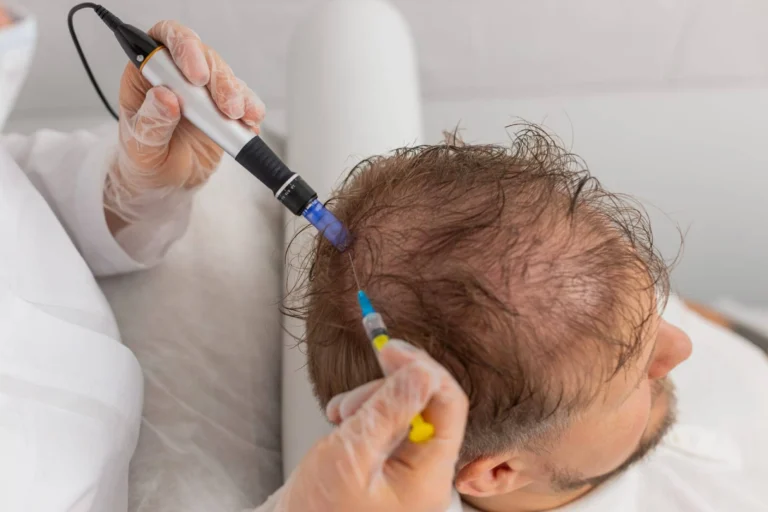
Other factors usually cause ongoing hair loss, but skincare products can also cause scalp irritation. A dermatologist may be able to identify if the underlying issue is related to:
- Skin irritation
- Scalp Disorders
- Hormone fluctuations
- Nutritional issues
- Genetic patterns of hair loss
- Other health conditions
If You See: Seek Professional Help
Sudden or Excessive Hair Loss
There can be a variety of reasons for increased hair shedding. A medical expert can assist in identifying the root problem and suggest the best course of treatment.
Bald spots showing
Patchy hair loss should be evaluated, since it may be associated with conditions other than the normal shedding pattern.
Chronic Symptoms of the Scalp
If you have persistent itching, burning, pain, redness, swelling, or severe flaking, it’s best to seek professional advice.
Stopping a Suspected Product Does Not Stop Hair Loss
If hair loss continues after stopping a product that may be the cause of hair loss, the cause of hair loss may not be related to skin care, and other causes should be investigated.
What a Specialist May Assess
During an evaluation, a dermatologist may look at:
- Pattern of hair loss
- Scalp status
- Signs of inflammation
- Changes in the hair growth cycle
- Medical history
- Current drugs
- Lifestyle elements
Depending on presenting symptoms, additional diagnostic testing may be recommended.
FAQs About Hair Loss and Skin Care Products
Does face cream cause baldness?
Normally, hair loss is not a permanent side effect of face cream. But if you’re using thick creams near your hairline, they can build up or irritate your skin in some cases (which can lead to a less comfortable scalp and worse-looking hair). It’s advised to stop using a new cream for a while and see what happens if you notice shedding.
Can sunscreen cause baldness?
Sunscreen is not a usual direct cause of hair thinning. Certain formulas may irritate those with delicate skin or feel heavy on the hairline. A light formula can be chosen to reduce discomfort, and all the residue should be washed off.
Do skincare products block hair follicles?
Some heavy products can help with surface buildup. How much this impacts the hair follicles is a function of what the product contains, your skin type, and how you wash. The buildup itself does not mean that hair loss will happen.
Can retinol or anti-aging products lead to hair loss?
Retinol and other anti-aging ingredients aren’t usually linked to permanent hair loss. However, some people may experience dryness, peeling, or irritation, especially with overuse or application near sensitive areas. “Using the product as directed and adding new products gradually will help reduce the chance of irritation.”
Is it okay to stop using my skin care products when I see hair shedding?
Typically, you do not need to stop using all skincare items. A better approach is to look at recent product changes, identify potential triggers, remove one suspected product at a time, and keep a record of symptoms. There are so many things that can cause hair shedding that it’s more useful to try and work out what’s causing it than it is to remove all your products.
How to protect your hair while doing skincare?
Good practices include avoiding thick creams on the scalp, removing product from the hairline, selecting formulations for your skin type, not overusing active ingredients, and watching for changes to the scalp.
Final Thoughts: Do skincare products lead to hair loss?
Skincare products do not frequently cause direct permanent hair loss. Some products, however, can indirectly cause hair problems by irritating the skin, causing allergic reactions, or building up at the hairline.
The main recommendations are:
- Select products suitable for your skin type.
- Don’t needlessly piss people off.
- Skincare products should be applied with care around the hairline.
- Keep your scalp clean and comfortable.
- Watch for changes after new products are introduced.
A healthy scalp environment is the basis for healthy hair, but hair loss is often influenced by a variety of factors. If you are experiencing shedding that persists or any visible thinning or changes on the scalp, it is best to get it checked out by a professional to determine the cause.
At Hair Care Growth, we are driven by a mission to deliver practical, evidence-based information to empower your decisions regarding hair and scalp care. Discover hair oils, hair care ingredients, and healthy hair habits to develop a routine that will help you get stronger, healthier-looking hair.
Written by Mian Hussain.