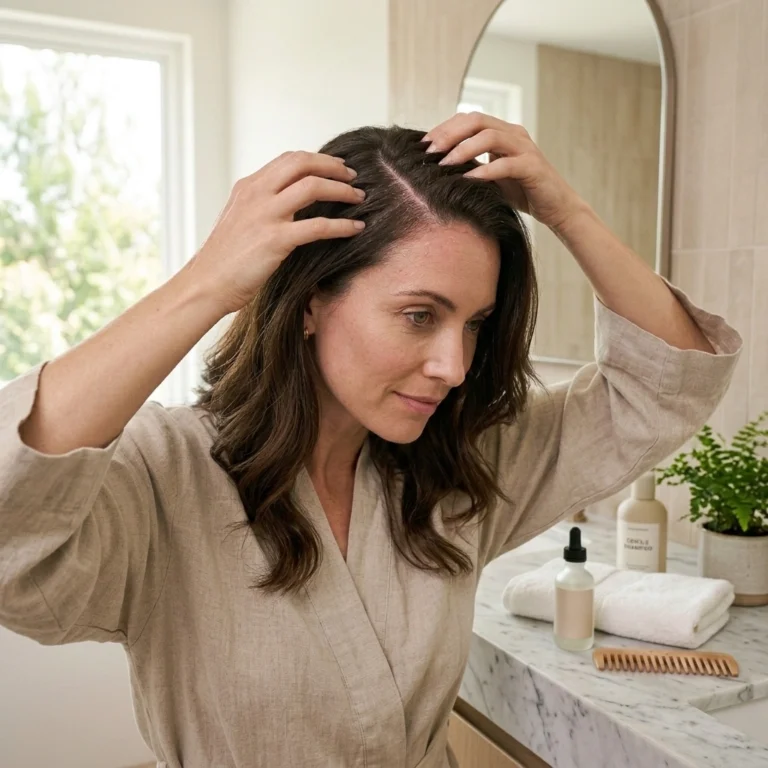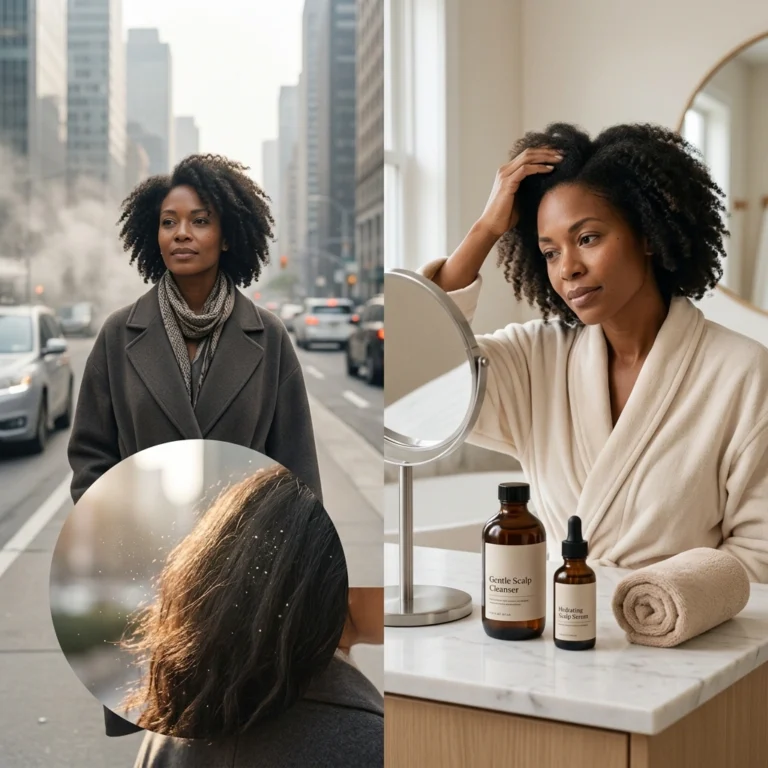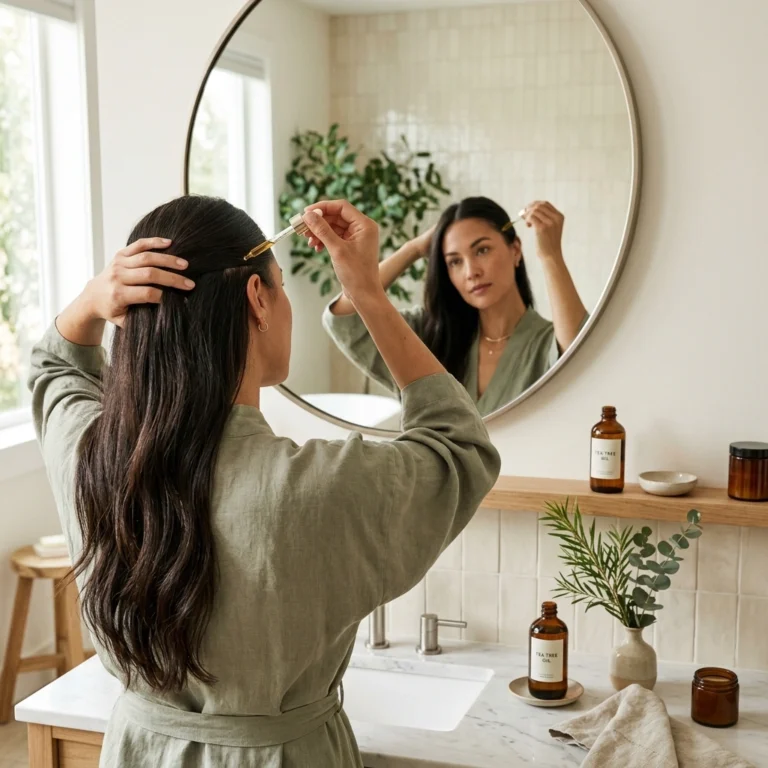
Despite being the cornerstone of healthy-looking hair, a healthy scalp is often neglected in ordinary hair care regimens. Dead skin cells, extra oil, perspiration, contaminants from the environment, and residue from styling products all build up on the scalp over time. Hair may feel thick, oily, or challenging to manage as a result of this accumulation.
Scalp exfoliation encourages a cleaner scalp environment and aids in the removal of undesired accumulation. However, using inappropriate products or exfoliating too vigorously might cause dryness, sensitivity, and irritation.
The goal is to exfoliate more successfully rather than scrub more vigorously.
Choosing the right technique for your scalp type, using the right products, applying them appropriately, and avoiding over-exfoliation are all necessary for a successful scalp exfoliation regimen. Scalp exfoliation can be a useful part of a well-rounded scalp-care routine when done correctly.
This tutorial describes how to exfoliate your scalp without irritating it. It covers application techniques, frequent mistakes, physical and chemical exfoliation methods, and suggested frequency.
What Is Scalp Exfoliation and How Does It Work?
The process of clearing the scalp’s surface of accumulated dead skin cells, oil, and product residue is known as scalp exfoliation. The scalp naturally sheds dead cells, just like the skin on the face and body. But these cells can accumulate when they come into contact with lubricants, cosmetics, and environmental debris.
Exfoliation targets tenacious buildup that could otherwise remain, in contrast to regular shampooing, which mainly cleans the hair and scalp’s surface.
Hair that feels lighter, cleaner, and easier to manage is a result of a healthy scalp environment.
It’s crucial to remember that natural oils shouldn’t be completely removed by scalp exfoliation. To preserve its protective barrier, the scalp has to produce a specific amount of oil; excessive oil removal or skin irritation can upset this equilibrium.
Benefits of Gentle Scalp Exfoliation
When done properly, scalp exfoliation can provide the following advantages:
Assists in Eliminating Product Buildup
Hairsprays, gels, oils, dry shampoos, and styling creams can accumulate on the scalp over time. Residue that may not be completely removed by ordinary cleansing can be removed with gentle exfoliation.
Encourages a Cleaner Scalp Environment
A scalp that feels fresher is a result of eliminating dead skin cells and extra oil.
Enhances the Performance of Hair Products
Some hair care products (scalp serums or treatments, for example) can be more evenly distributed on a cleansed scalp.
Helps Keep Scalp Comfortable
Many people report that their scalp feels less oily and lighter after buildup is removed.
But it’s important to note that scalp exfoliation won’t lead to immediate hair growth or help with hair loss. Heredity, hormones, diet, and underlying medical disorders are among the many factors that can affect hair problems.
How to Know When to Exfoliate Your Scalp
For some people, regular scalp exfoliation is not a necessity. Some people have naturally balanced scalps and can go through life with only routine cleaning.
If you see: Think exfoliation.
- Hair becomes greasy soon after shampooing.
- A waxy or sticky feel about the roots
- Too much product left on
- Flaky buildup that doesn’t wash off with regular washing
- Dull or flat hair
- Pain in the scalp due to buildup
But, in addition to exfoliation, excessive flaking, redness, painful areas, or constant itching may be indications of an underlying scalp disease that needs an assessment by a professional.
Difference Between Physical and Chemical Scalp Exfoliation
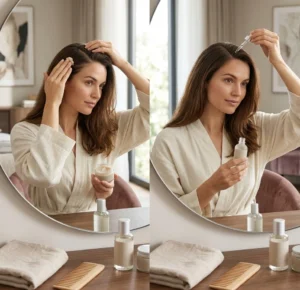
The two primary types are physical and chemical scalp exfoliations. It all depends on your scalp health, how sensitive you are, and what you like.
Physical Exfoliation of the Scalp
Physical exfoliation is the manual removal of buildup by friction. The usual tools are:
- Scalp Treatments
- Silicone scalp brush
- Scalp exfoliating brushes
Benefits of Physical Exfoliation
Physical exfoliation can:
- Effectively eliminate surface buildup
- Scalp massage to rejuvenate.
- Remove residues of loose product.
Possible disadvantages
The biggest mistake is pressing too hard when you do physical exfoliation. Aggressive scrubbing can:
- Break down the scalp’s skin barrier
- Dry it out
- Sensitivity to cause
- Generate areas of discomfort
When using a scalp scrub, gentle, deliberate motions are better than vigorous rubbing.
Chemical Exfoliants for the Scalp
Chemical exfoliation relies on active ingredients to remove buildup and dead skin cells without physical scrubbing. Common exfoliating ingredients are:
Salicylic Acid (BHA)
Salicylic acid is a great treatment to break down oil-based buildup and is often formulated for oily scalp types.
Glycolic Acid (AHA)
On the scalp’s surface, glycollic acid aids in the breakdown of dead skin cells.
Lactic Acid
Lactic acid is a gentler exfoliating agent that may be effective for some sensitive skin types.
Chemical exfoliants should always be used according to product directions, as too high a concentration or too frequent use can increase the risk of irritation.
How to Choose the Right Scalp Exfoliating Product
The ideal exfoliating product depends on your specific scalp type.
For Oily Scalp
- Search for: salicylic acid formulas, lightweight scalp treatments, and products that reduce excess oil
- Avoid: heavy oils that might contribute to buildup
For Dry Scalp
- Look for: moisture-friendly products, hydrating formulas, and ingredients that gently exfoliate
- Avoid: harsh scrubs that can dry your skin out even more
For Sensitive Scalp
- When feasible, use fragrance-free products, gentle exfoliating formulations, and calming components like panthenol or aloe vera.
Always introduce new products slowly and watch how your scalp reacts.
Step-by-Step Guide: How to Exfoliate Your Scalp Safely
Step 1: Select the Right Time
Most scalp exfoliants are intended to be used as a pre-shampoo treatment, but always read the label for specific directions. Don’t exfoliate if your scalp is irritated, sunburnt, or damaged.
Step 2: Section Your Hair
Sectioning the hair allows you to apply it directly to the scalp, not just the hair strands.
Step 3: Use the Exfoliant Lightly
Spread the product evenly using your fingertips. Don’t use your nails; scratching can irritate the scalp.
Step 4: Rub in gently
Apply gentle pressure in small circular motions. The massage should always feel comfortable, never painful.
Step 5: Wash well
Make sure you remove all product residue completely and then follow with conditioner on the hair lengths if needed.
How Often Should You Exfoliate Your Scalp?
How often you use it will depend on your scalp type.
Oily Scalp
If you have an oily scalp, exfoliating once a week or so can be helpful, but it is contingent upon the product and the person.
Normal scalp
It is usually enough to exfoliate your scalp every few weeks to keep it fresh.
Sensitive or Dry Scalp
Excessive exfoliation can cause more dryness or irritation, so it is usually recommended to exfoliate less often.
A practical approach is to start with a minimal frequency and gradually adjust based on how your scalp reacts.
Common Scalp Exfoliation Mistakes to Avoid
Scrubbing Too Hard
More pressure does not lead to better results. Gentle exfoliation maintains the integrity of the scalp barrier.
Exfoliating Too Frequently
Over-exfoliation can remove natural oils and irritate skin.
Using Harsh Ingredients
Harsh particles, strong fragrances, or unsuitable formulations can irritate sensitive scalps.
Applying Face or Body Scrubs to the Scalp
The scalp has different needs from other parts of the body, and products formulated for the body are not always suitable for the scalp.
Ignoring Your Scalp Type
What works well for oily scalp types might not be right for dry or sensitive scalps.
Incorporating Scalp Exfoliation Into a Comprehensive Hair-Care Routine
Scalp exfoliation is most effective when incorporated into an overall hair-care routine.
Use a Suitable Shampoo
Choose a cleanser that suits your scalp’s needs, but that doesn’t dry it out.
Maintain Moisture Balance
After cleansing, apply appropriate conditioners or light scalp-care products to promote hair health.
Avoid Excessive Product Layering
Styling products build up faster if you overuse them, so you need to deep-clean more often.
Protect the Scalp Barrier
Proper scalp care is all about balance. Cleanliness without sacrificing comfort and moisture.
Frequently Asked Questions About Scalp Exfoliation
Can scalp exfoliation help with dandruff?
Scalp exfoliation can remove some of the surface flakes caused by buildup. Dandruff can be caused by several things, including sensitivity to a yeast that naturally lives on the scalp. If you suffer from persistent dandruff, specific treatment may be necessary.
How often should beginners exfoliate their scalp?
For beginners, take it slow and do it only once every couple of weeks. Increase the frequency only if your scalp responds well.
Can I exfoliate my scalp if I have sensitive skin?
For beginners, take it slow and do it only once every couple of weeks. Increase the frequency only if your scalp responds well.
Do I Exfoliate Before or After Shampooing?
Many scalp exfoliators are designed to be used pre-shampoo, but how you use them depends on the directions for that particular product.
Does scalp exfoliation accelerate hair growth?
Exfoliating the scalp will not accelerate hair growth. The main purpose of this is to remove buildup and promote a cleaner scalp environment.
Final Thoughts: Gentle Exfoliation Supports a Balanced Scalp
When done right, scalp exfoliation can be a great addition to any hair-care routine. The goal is not to aggressively strip the scalp of all residue, but to keep the scalp clean, comfortable, and balanced.
The most important thing to prevent irritation is to select the right exfoliation method, use the right products, and not over-exfoliate.
Healthy-looking hair begins with consistent care, and that includes the right care for the scalp underneath.
If you’re interested in creating your hair-care routine, check out more expert-approved tips for scalp care, guides for hair oil, and product education resources on Hair Care Growth to discover approaches that may be better suited to your hair-care needs.
Medical Disclaimer: This page does not replace expert medical advice; rather, it offers general information about hair care. Individuals experiencing persistent scalp irritation, pain, severe itching, sudden hair loss, or ongoing scalp concerns should consult a qualified healthcare professional or dermatologist.
Written by Mian Hussain.