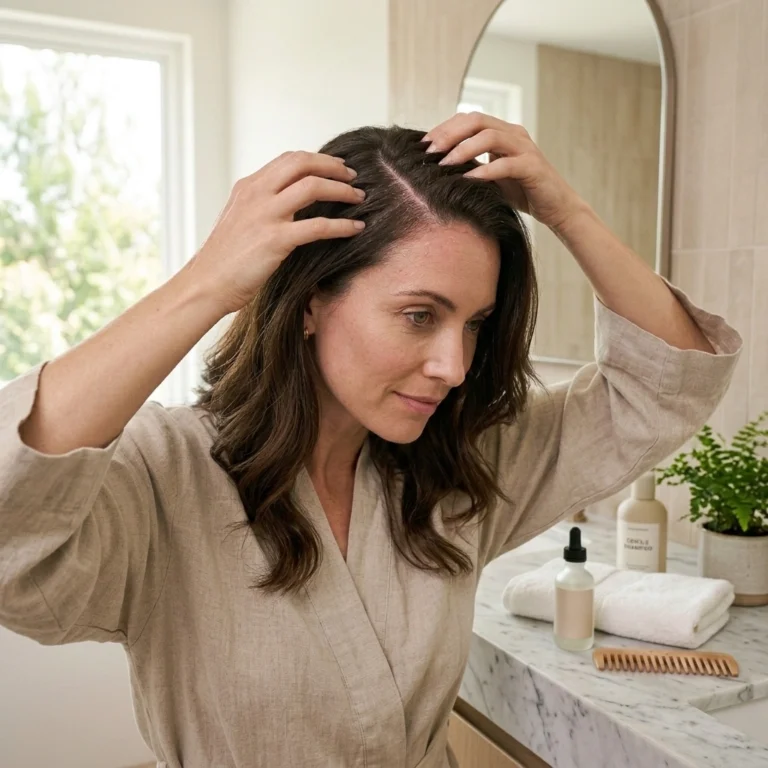
If you have ever run your fingers through your hair and felt an unexpected, lingering soreness, you are not alone. A tender scalp can be incredibly distracting and uncomfortable. You might notice it when you brush your hair, put it up in a ponytail, or even when you just rest your head on a pillow.
I’ve written about hair and scalp health for years, as well as dermatology research, and I know what it’s like to have a painful scalp, more than once. The good news is? Most causes are common and treatable, and nothing to worry about. But a sore scalp is your body waving a little flag, so it pays to know what it’s trying to tell you.
Here’s why your scalp hurts when you touch it, what you can do about it, and when it’s worth seeing a doctor.
The Most Common Causes of Scalp Sensitivity
Before you worry, know that everyday habits often cause scalp pain. The way you style, wash, and care for your hair plays a massive role in how your scalp feels. Let us look at some of the most frequent culprits.
Tension Hairstyles Pulling on Your Follicles
Do you love a sleek, tight ponytail or snug braids? While these styles look fantastic, they put immense pressure on your hair follicles.
When you pull your hair back tightly, you strain the nerve endings at the root of each hair. Over time, this constant pulling leads to a condition called traction alopecia, but long before hair loss happens, you will experience a deep, aching pain across your scalp. If taking your hair down at the end of the day makes your scalp throb, your hairstyle is likely the problem.
Heavy Product Buildup
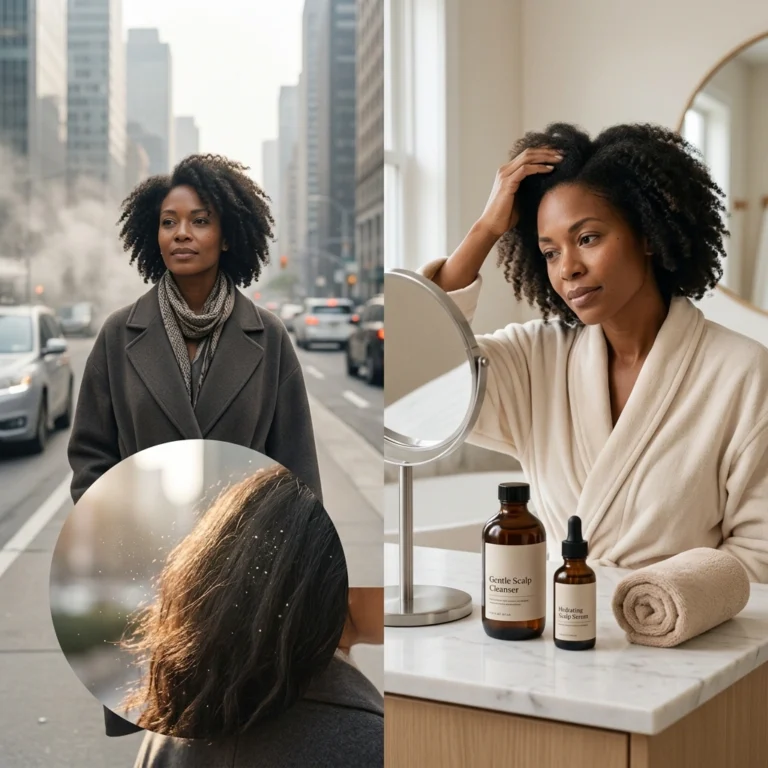
Think about how many products you use in a week. Dry shampoo, hairspray, leave-in conditioners, and heavy gels can accumulate on your skin over time.
When products build up, they clog your hair follicles. This blocks your skin from breathing and traps dirt and dead skin cells against your scalp. The result is a tight, inflamed, and tender feeling.
Infrequent or Excessive Washing
Finding the proper balance for laundry and your hair is critical.
- Washing too often: Strips the skin of natural oils, leading to severe dryness and micro-cracking, which feels sore and itchy.
- Not washing enough: Allows oils and sweat to build up, creating a breeding ground for bacteria and yeast, leading to painful inflammation.
Skin Conditions That Make Your Scalp Tender
Sometimes, changing your hairstyle or shampoo is not enough. Underlying skin conditions can make your scalp feel sore to the touch. If you notice redness, bumps, or intense flaking alongside the pain, one of these conditions might be to blame.
Scalp Folliculitis
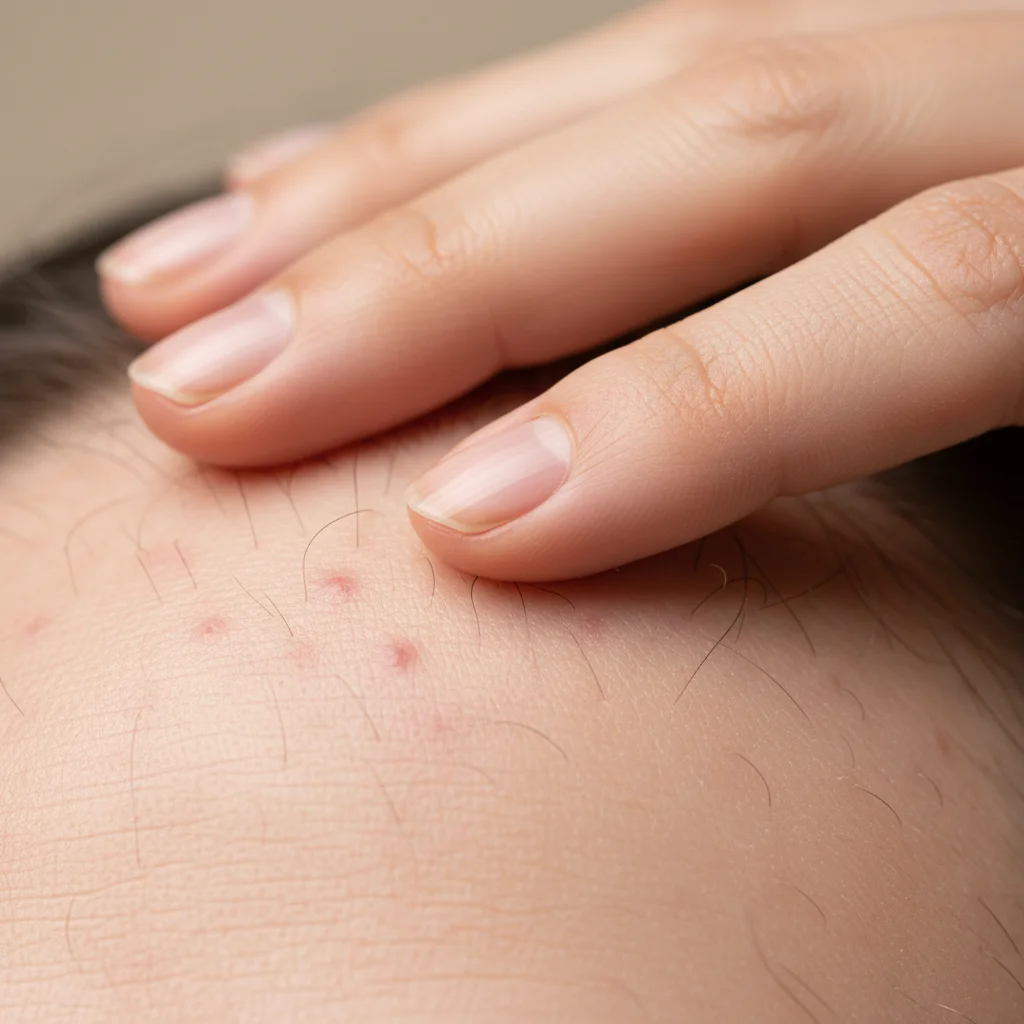
Folliculitis happens when your hair follicles become inflamed or infected, usually by bacteria. It looks like small, red bumps or white-headed pimples scattered across your scalp.
These bumps are often incredibly tender when you press on them. Sweating heavily, wearing tight hats, or spending time in poorly maintained hot tubs can trigger this condition. You can read more about identifying and managing this type of skin inflammation through the U.S. National Library of Medicine’s guide on folliculitis.
Psoriasis and Eczema
Both psoriasis and eczema can affect the scalp, bringing along thick, scaly patches of skin.
Scalp psoriasis often creates silvery scales that can crack and bleed if scratched. The inflammation runs deep, making the entire area highly sensitive to the touch. Eczema, on the other hand, causes red, itchy, and irritated patches that ache when you rub them.
Allergic Contact Dermatitis
Your scalp might be having an allergic reaction to something touching it. This is known as contact dermatitis. Common triggers include:
- Chemicals in hair dye
- Fragrances in shampoos or conditioners
- Preservatives in styling gels
- The metal on hair clips or bobby pins
If your scalp starts burning, itching, or hurting a day or two after using a new product, an allergic reaction is a strong possibility.
Environmental and Lifestyle Triggers
Your scalp is exposed to the elements and your internal health just as much as the rest of your body.
Sunburn on the Hairline and Part
We often forget to apply sunscreen to our heads, but the skin along our hairline is entirely exposed to the sun. A scalp sunburn feels exactly like a sunburn anywhere else on your body: hot, tight, and highly painful to the touch. A few days later, you might notice the skin starting to peel.
Stress and Tension Headaches
Believe it or not, emotional stress can physically hurt your scalp. When you are stressed, the muscles in your neck, jaw, and forehead tense up. This tension wraps around your head, leading to tension headaches.
This muscle tightness restricts blood flow and makes the skin on your scalp feel bruised and sore, even if you just lightly touch your hair. For comprehensive information on how stress impacts the body and causes tension-related pain, the National Institutes of Health (NIH) provides excellent resources.
How to Treat a Sore Scalp and Get Relief
If your scalp is throbbing, you want relief right now. Here are some highly effective, gentle ways to soothe the pain and help your skin heal.
- Let your hair down: Immediately remove any tight hair ties, clips, or headbands. Give your follicles a break and let your hair hang loose for a few days.
- Do a gentle scalp massage: Using just the pads of your fingers, softly massage your scalp in circular motions. This stimulates blood flow, relaxes tense muscles, and helps ease the aching feeling.
- Use a clarifying shampoo: If you suspect product buildup is the issue, wash your hair with a gentle clarifying shampoo. This will strip away the accumulated gunk and let your follicles breathe.
- Apply a cool compress: If your scalp is sunburned or inflamed, soak a clean washcloth in cool water, wring it out, and lay it across your head. The cool temperature provides instant, soothing relief.
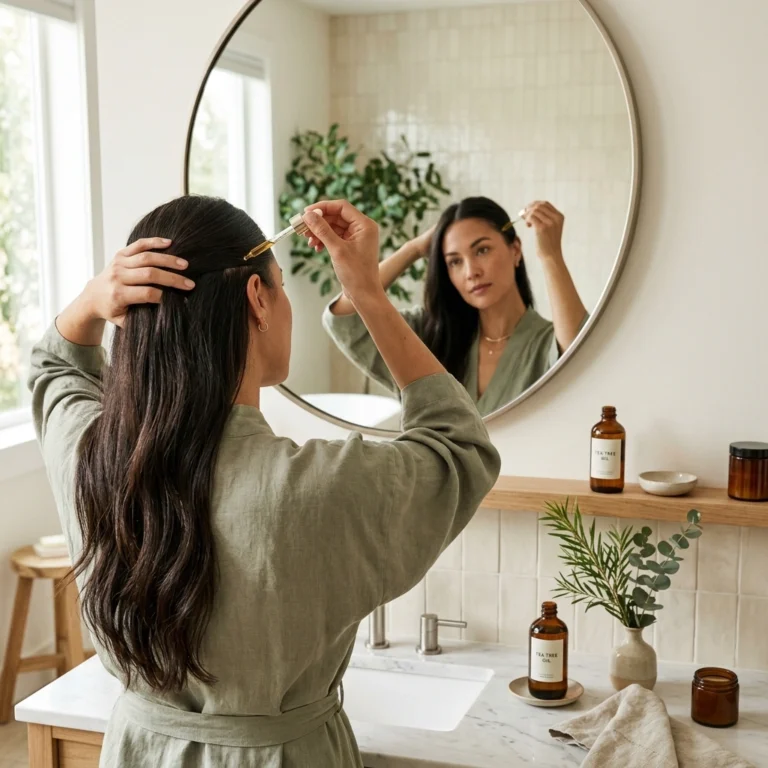
- Switch to fragrance-free products: Eliminate potential allergens by switching to hypoallergenic, fragrance-free shampoos and conditioners until your scalp recovers.
When Should You See a Doctor?
Most of the time, scalp pain goes away once you loosen your hair or clear up product buildup. However, you should never ignore persistent pain. It is time to consult a doctor or dermatologist if you experience any of the following:
- The pain lasts for more than a week without any signs of improvement.
- You notice oozing sores, crusting, or bleeding on your scalp.
- You experience sudden, unexplained hair loss in the painful areas.
- The scalp tenderness is accompanied by a severe headache or fever.
A medical professional can properly diagnose infections or skin conditions and prescribe the right medicated treatments to get your scalp health back on track.
Frequently Asked Questions (FAQs)
Why does my hair hurt when it is dirty?
When you skip washing for too long, natural oils (sebum), sweat, and dead skin cells build up around the base of your hair follicles. This buildup feeds yeast that naturally lives on your scalp, causing inflammation and a dull, aching pain.
Can I stop scalp pain without washing my hair?
If the pain is from a tight hairstyle or a tension headache, a gentle scalp massage or letting your hair down will help without needing a wash. However, if the pain comes from buildup or excessive oil, washing is the only way to clear the irritation.
Does brushing help a sore scalp?
It depends on the cause. If your scalp hurts from tension or muscle tightness, a gentle brushing with a soft-bristle brush can feel like a nice massage and distribute oils. But if you have folliculitis, sunburn, or an allergic reaction, brushing will only scrape the skin and make the pain much worse.
Take the Next Step Toward Healthy Hair
Dealing with a painful scalp is a clear signal from your body that your skin needs a little extra care and attention. By making simple adjustments—like loosening your ponytail, washing away heavy product buildup, and managing your stress—you can easily stop the ache and get back to feeling comfortable.
Always listen to your body. Treat your scalp as gently as you treat the skin on your face, and your hair will thank you for it.
Do you want to keep learning the best ways to care for your hair and skin? Bookmark HaircareGrowth.com right now to stay updated on our latest guides, tips, and expert advice for achieving the healthiest hair of your life!