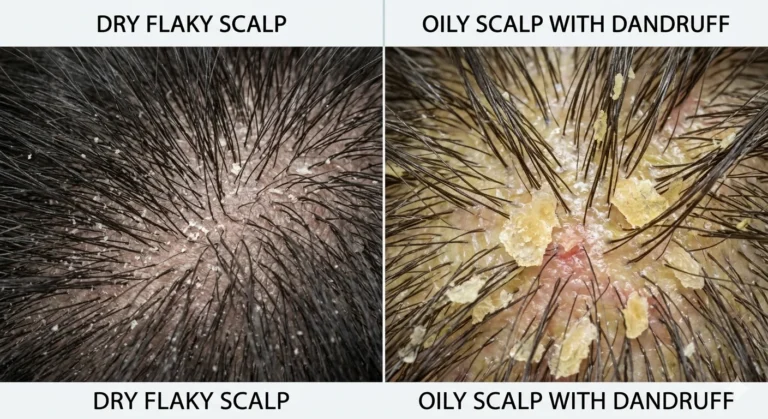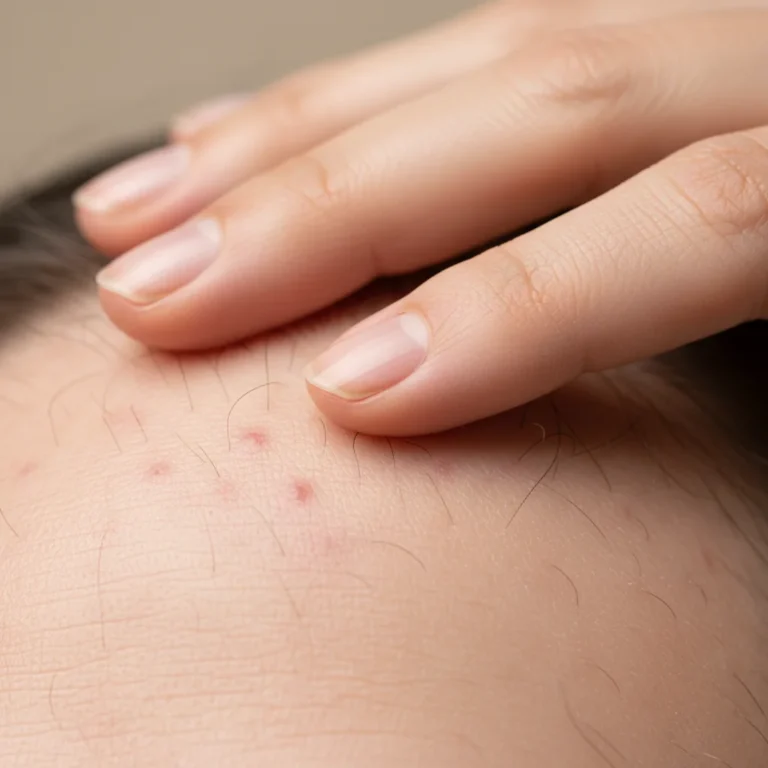
If you are constantly scratching your head, feeling a tight soreness, or noticing red patches under your hair, you are dealing with something far more annoying than bad hair days. Scalp inflammation is uncomfortable, distracting, and sometimes completely exhausting. It is hard to focus on your work or enjoy a relaxing evening when your head feels like it is burning or itching nonstop.
Think approximately how relaxing it is to puppy a canine. You run your fingers through their soft, healthy fur, and their skin is calm and cool. Your scalp deserves that exact same level of peace and comfort. But when inflammation takes over, your skin’s natural balance is completely thrown off.
Many people rush to the store and buy the strongest medicated shampoo they can find. While those work for some, they often contain harsh chemicals that dry out your hair and leave your skin feeling even tighter. Healing your skin does not have to involve heavy chemicals. You can calm the irritation using gentle, earth-friendly ingredients that work with your body, not against it.
In this guide, we will break down exactly how to treat scalp inflammation naturally. We will look at the hidden causes behind your discomfort, how to spot the early warning signs, and the best home remedies to bring your skin back to a healthy, happy state.
What Does Scalp Inflammation Feel Like?
Before we talk about fixing the problem, we need to understand what is actually happening up there. Your scalp is essentially an extension of the skin on your face, but it is much thicker and contains thousands of hair follicles and oil glands. When this complex environment gets irritated, your body sends extra blood to the area to fight off the perceived threat. This causes inflammation.
The Early Warning Signs
Usually, the problem starts small. You might not even realize you have inflammation at first. Pay attention to these early symptoms:
- A persistent, annoying itch that does not go away after you wash your hair.
- A feeling of tightness, like your skin is stretched too thin across your skull.
- Small, dry flakes falling onto your shoulders (often confused with basic dandruff).
- Slight tenderness when you move your hair from side to side.
When It Becomes a Bigger Issue
If you ignore the early signs, the inflammation will likely spread and get worse. The symptoms become impossible to ignore. You might start seeing red, angry patches of skin along your hairline or behind your ears. The itching can become so intense that you scratch until your skin bleeds, which creates scabs.
At this stage, your hair follicles can actually become damaged. Swollen follicles struggle to hold onto hair, leading to temporary hair thinning or shedding. If you want to understand more about how skin conditions impact hair follicles, the U.S. National Library of Medicine offers detailed guides on scalp health and hair loss.
The Hidden Causes Behind the Itch
Why did your scalp become inflamed in the first place? It is rarely just one thing. Usually, it is a mix of environmental factors, your hair care routine, and your internal health. Identifying your specific trigger is the first step to finding the right natural cure.
Product Buildup and Harsh Chemicals
Take a look at your bathroom shelf. Most commercial shampoos, conditioners, and styling gels are packed with synthetic fragrances, heavy silicones, and strong detergents like sulfates.
Sulfates are great at cleaning, but they are too aggressive. They strip away your skin’s natural protective oils. When that barrier is gone, your skin becomes vulnerable to irritation. On top of that, heavy styling products can build up on the scalp, clogging your pores and suffocating your hair follicles.
Fungal and Bacterial Imbalances
We all have natural yeasts and bacteria living on our skin. Most of the time, they are completely harmless. However, if your scalp produces too much oil, or if you trap sweat against your head by wearing tight hats all day, these microbes can multiply out of control.
An overgrowth of a specific yeast called Malassezia is a massive trigger for inflammation and dandruff. The yeast feeds on your natural oils and leaves behind irritating byproducts that make your skin red and flaky.
The Stress and Diet Connection
Your skin is a mirror that reflects what is going on inside your body. High stress levels release cortisol, a hormone that directly causes inflammation throughout your entire system, including your scalp.
Likewise, a diet high in processed sugars and low in fresh nutrients can weaken your immune system and make your skin more prone to irritation.
How to Treat Scalp Inflammation Naturally
The goal of natural treatment is to soothe the skin, reduce the swelling, and restore your skin’s protective moisture barrier. Here are the most effective, gentle remedies you can try at home.
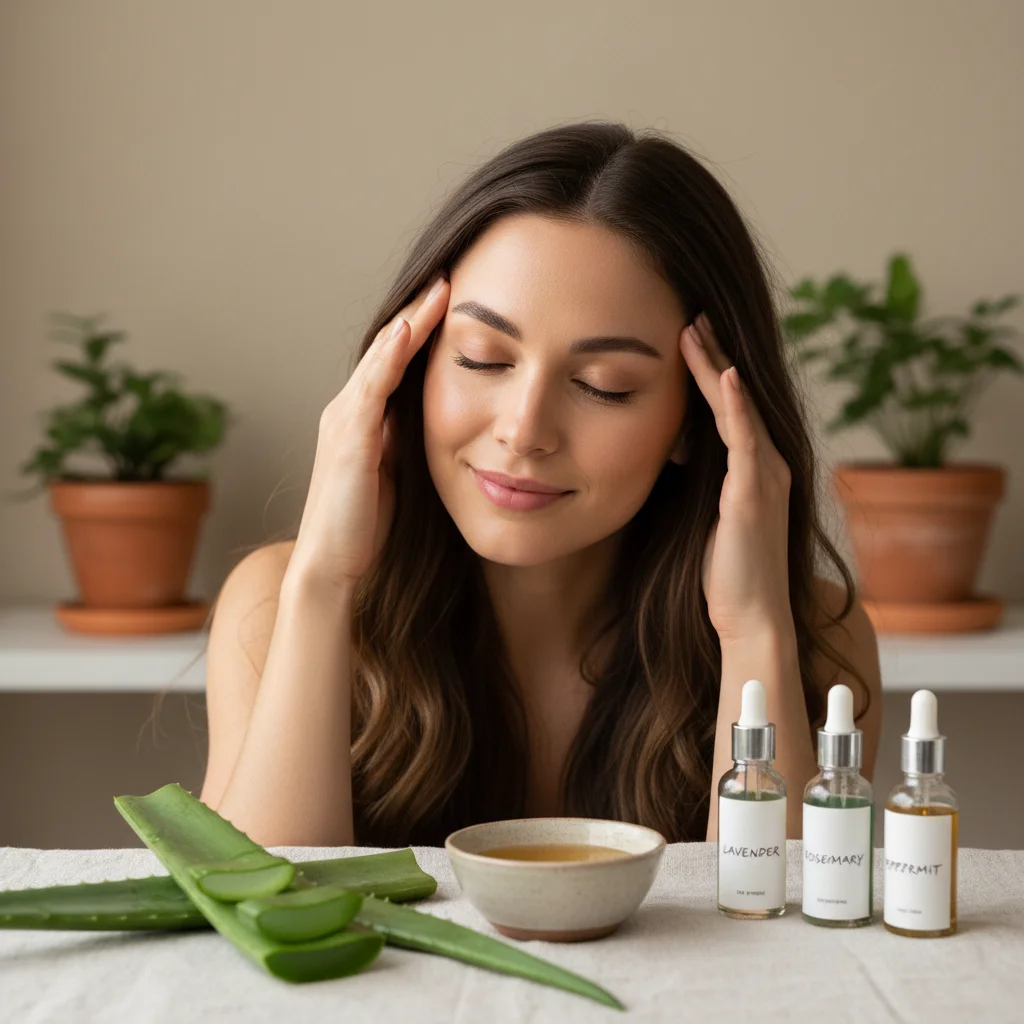
The Magic of Pure Aloe Vera
Aloe vera is nature’s ultimate fire extinguisher for irritated skin. It is packed with vitamins, enzymes, and natural anti-inflammatory compounds that instantly cool a burning, itchy scalp.
To use it, buy pure aloe vera gel that doesn’t have any alcohol or green dyes added to it. If you have an aloe plant at home, you can also cut open a real aloe leaf. Rub the clear gel directly into your scalp, making sure to get all the red, itchy areas. Let it sit for about 30 minutes, then rinse it out with warm water. Your skin will feel very calm and hydrated.
Apple Cider Vinegar Rinses
If you suspect your inflammation is caused by product buildup or a pH imbalance, apple cider vinegar (ACV) is an excellent remedy. ACV has a naturally acidic pH, which matches the ideal pH of your scalp. It also has mild antifungal properties.
Never pour pure vinegar on your head. Always dilute it. Mix two tablespoons of raw, unfiltered apple cider vinegar into a cup of warm water. After you wash your hair, pour this mixture over your scalp. Let it sit for three to five minutes, then rinse it out thoroughly. This clears away dead skin cells and leaves your scalp feeling incredibly fresh.
Tea Tree Oil and Carrier Oils
Tea tree oil is a powerful natural antiseptic. It is fantastic for fighting off excess yeast and bacteria. However, it is an essential oil, which means it is far too strong to use by itself. Putting pure tea tree oil on an inflamed scalp will only burn and make things worse.
You must mix it with a carrier oil. Jojoba oil is the best choice because its structure closely mimics your scalp’s natural sebum. Mix one tablespoon of jojoba oil with three drops of tea tree oil. Massage this gentle blend into your scalp and let it sit for 20 minutes before washing your hair.
For more scientific background on how botanical oils and plant extracts interact with human skin, you can read the National Institutes of Health (NIH) research on natural anti-inflammatory agents.
Gentle Scalp Massages (No Scratching!)
When your head itches, your first instinct is to scratch it with your fingernails. You must stop doing this. Scratching tears the delicate skin barrier and introduces bacteria from your hands into the tiny cuts, leading to severe infections.
Instead of scratching, try a gentle massage. Use only the soft pads of your fingertips. Move your fingers in slow, circular motions across your head. This increases blood flow, which brings oxygen and healing nutrients to the inflamed areas. It also helps loosen dry flakes naturally without tearing the skin. Learn more about how scalp massage improves blood circulation for hair growth.
Dietary and Lifestyle Changes for Long-Term Relief

Putting soothing ingredients on the outside of your head is only half the battle. To keep the inflammation from coming back, you need to support your skin from the inside out.
Hydration and Omega-3s
Dry skin is easily irritated skin. You need to drink plenty of water throughout the day to keep your tissues hydrated.
Alongside water, your skin desperately needs healthy fats to maintain its moisture barrier. Omega-3 fatty acids are famous for their ability to fight systemic inflammation. Try adding more walnuts, flaxseeds, chia seeds, and fatty fish like salmon to your weekly meals.
Managing Tension and Stress
Since stress is a first-rate trigger for pores and skin problems, locating methods to loosen up is a legitimate part of your hair care routine. You do not have to meditate for hours. Just taking a ten-minute walk outside, stretching your neck and shoulders, or reading a good book can lower your cortisol levels. When your mind is calm, your pores and skin generally displays it.
When to See a Professional
Natural remedies are highly effective for everyday irritation, product buildup, and mild dandruff. However, you should always listen to your body. If you have tried natural treatments for a few weeks and your scalp is still burning, it is time to consult a doctor or a dermatologist.
Watch out for these severe warning signs:
- Large, thick, silvery scales that bleed when touched (a common sign of psoriasis).
- Open sores that ooze fluid or crust over.
- Sudden, patchy hair loss that leaves bald spots.
- Swollen lymph nodes within the neck, further to scalp pain.
A medical professional can properly diagnose conditions like seborrheic dermatitis, psoriasis, or bacterial infections and give you the right tools to heal safely.
Frequently Asked Questions (FAQs)
How often should I wash my hair if my scalp is inflamed?
It depends on your hair type, but generally, washing two to three times a week is ideal. Washing every day strips away healing oils, while washing too rarely allows sweat and bacteria to build up and cause more itching.
Can I use coconut oil on an inflamed scalp?
Coconut oil is very moisturizing, but it is also highly comedogenic, meaning it clogs pores easily. If your inflammation is caused by a fungal issue or blocked follicles, heavy coconut oil might actually make it worse. Stick to lighter oils like jojoba or squalane.
Does hot water make scalp inflammation worse?
Yes, absolutely. Steaming hot water strips the skin of moisture and brings more blood to the surface, which increases redness and swelling. Always wash and rinse your hair with lukewarm or cool water when your scalp is irritated.
Take Control of Your Scalp Health
Dealing with an itchy, inflamed scalp is frustrating, but you do not have to suffer in silence. By cutting out harsh chemical products, avoiding the temptation to scratch, and turning to natural healers like aloe vera and diluted apple cider vinegar, you can calm the fire on your head.
Be patient with your body. Natural healing takes a little bit of time, but the results are long-lasting and much healthier for your hair in the long run. Treat your skin gently, feed your body well, and you will soon notice that tight, itchy feeling fading away.
Are you ready to learn more simple, effective ways to care for your hair naturally? Bookmark Hair Care Growth today and join our growing community for expert tips, honest advice, and routines that actually work!