Dealing with a constant itch, redness, or flaking on your head is one of the most frustrating experiences. If you have ever felt that uncontrollable urge to scratch your head while sitting in a meeting or out with friends, you know exactly what I mean. Scalp issues are incredibly common, but they still feel uncomfortable and, frankly, a bit embarrassing.
Over the years, I have spent a lot of time exploring different hair care routines and helping people figure out what actually works for their hair. In my hands-on experience, I have noticed that we often rush to buy shampoos packed with harsh chemicals that promise a magic fix. Unfortunately, these aggressive products frequently dry out the skin even more, making the underlying problem worse over time.
The good news is that you do not always need harsh ingredients to find real relief. Sometimes, the most effective and gentle solutions are sitting right in your kitchen pantry or bathroom cabinet. Plants, herbal extracts, and natural oils have been used for centuries to calm the skin and fight off bad bacteria and fungi.
In this guide, we are going to explore the safest and most effective natural options to get your head feeling healthy again. You will learn exactly what causes these annoying flare-ups, which natural ingredients actually work, and how you can apply them at home safely.
Understanding the Roots of Scalp Irritation
Before you slather any treatment on your head, it helps to understand what is actually happening up there. Your scalp is not just regular skin; it is a very delicate ecosystem. When the balance of natural oils, moisture, and microscopic flora gets thrown off, infections take that opportunity to settle in.
Most of these problems fall into two main categories. Knowing the difference between them is vital for picking the right natural remedy.
Fungal Overgrowth and Yeast
Fungi absolutely love warm, damp environments. Conditions like ringworm (tinea capitis) or severe dandruff caused by an overgrowth of yeast are incredibly common. These issues usually cause intense itching, scaly patches, and sometimes even temporary hair loss in very specific spots.
If you notice yellowish or white flakes constantly falling onto your shoulders, or if your scalp feels greasy yet flaky at the same time, a yeast or fungal imbalance is likely the culprit.
Bacterial Intruders
On the other side of the spectrum, we have bacterial issues. Folliculitis happens when everyday bacteria manage to enter your hair follicles through tiny cuts, micro-tears from scratching, or trapped sweat. This usually results in small, red, pimple-like bumps that can be quite tender or painful when you brush your hair.
Figuring out the root of your discomfort is the first big step toward healing. While natural treatments are fantastic for mild to moderate symptoms, keeping a close eye on how your skin reacts day by day is always a smart move.
Proven Natural Remedies for Scalp Infections
When it comes to soothing an infected or irritated scalp, nature gives us some truly powerful ingredients. Here are the most effective natural remedies you can prepare and use easily at home.
Tea Tree Oil: The Natural Purifier
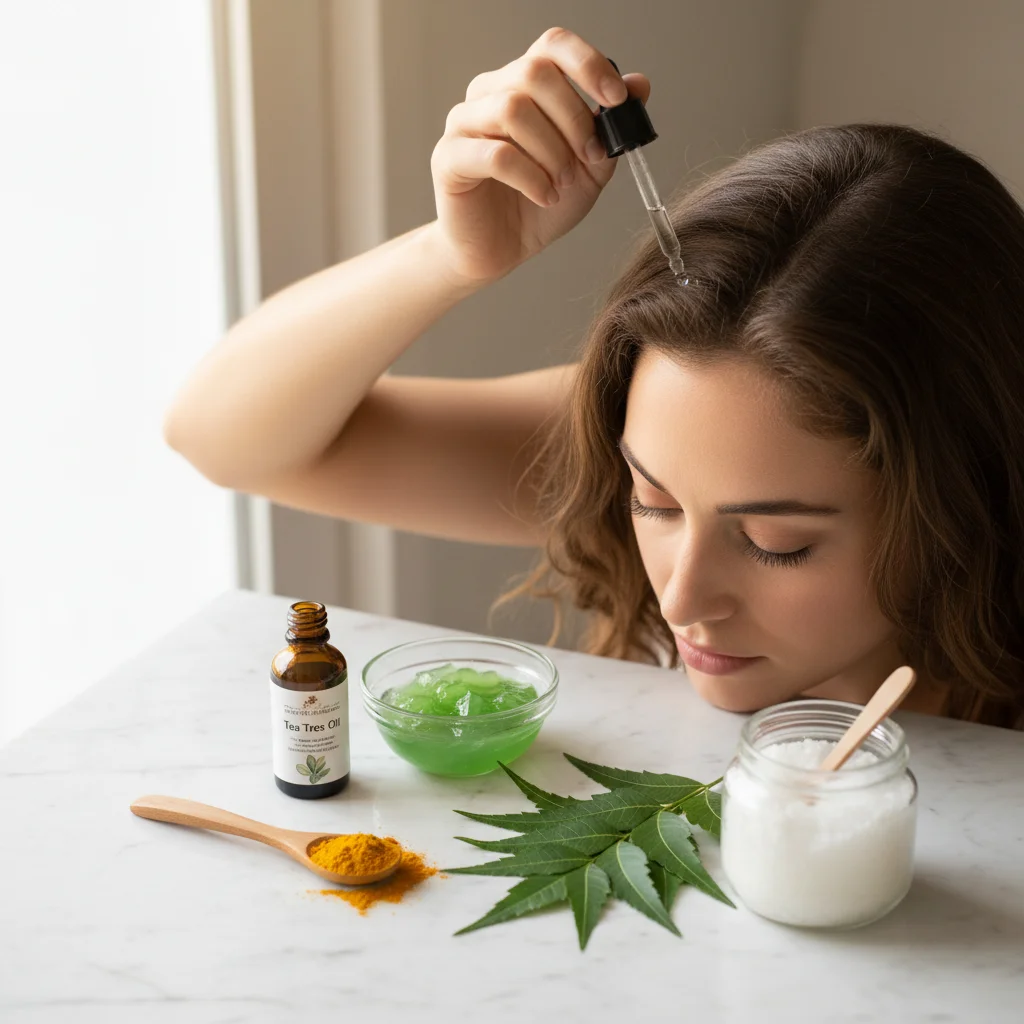
Tea tree oil is famous for its strong antibacterial and antifungal properties. Extracted from the leaves of the Melaleuca alternifolia plant, this essential oil is a powerhouse when you need to fight off the germs causing your hair woes. I personally love adding it to a routine when I notice my scalp needs a deep, purifying reset.
Because tea tree oil is highly concentrated, you should never apply it directly to your skin. Doing so can cause a chemical burn or severe irritation, which defeats the whole purpose.
Here is how to use it safely:
- Mix three to four drops of pure tea tree oil with a tablespoon of a gentle carrier oil. Sweet almond oil or jojoba oil are fantastic choices.
- Massage this mixture gently into your roots using the pads of your fingers—never your nails.
- Let it sit for about 15 to 20 minutes so the properties can work their magic.
- Wash your hair as you normally would with a very mild, fragrance-free shampoo.
Regular use of this oil can help reduce yeast buildup and keep bacterial bumps away. In fact, research shared by the National Institutes of Health (NIH) highlights that tea tree oil has been widely studied and proven effective against various fungal and bacterial skin conditions.
Apple Cider Vinegar: The pH Balancer
Apple cider vinegar is a fantastic tool for restoring your scalp’s natural pH balance. When the pH of your skin becomes too alkaline, it turns into the perfect breeding ground for fungi and bacteria to multiply rapidly.
Vinegar is naturally acidic. This mild acidity helps create an environment where these unwanted guests simply cannot survive. Additionally, apple cider vinegar contains natural enzymes and alpha-hydroxy acids that help gently exfoliate dead skin cells, which drastically reduces flaking.
To make this balancing rinse:
- Mix one part raw, unfiltered apple cider vinegar with two parts warm water.
- Pour the mixture slowly over your head right after you finish shampooing.
- Massage it in gently and let it rest for about three to five minutes.
- Rinse everything out thoroughly with cool water to help seal the hair cuticle.
You can do this rinse once or twice a week. It will maintain a healthy scalp without stripping away your natural, protective oils.
Aloe Vera: The Ultimate Soothing Agent
If your skin is red, burning, or itching intensely, aloe vera will be your absolute best friend. The thick, clear gel found inside aloe leaves is packed with vitamins, enzymes, and anti-inflammatory compounds. It provides almost instant cooling relief to angry, irritated skin.
Aloe vera also has mild antifungal properties. It hydrates the skin deeply without leaving a heavy, greasy residue behind. This makes it perfect for keeping your hair follicles clean and clear.
You can scrape the gel directly from a plant you have at home or buy pure, 100% aloe vera gel from a reputable health store.
- Apply the fresh gel directly to your roots, focusing on the areas that bother you the most.
- Leave it on for about 30 minutes while you read a book or relax.
- Rinse it out with lukewarm water and a very gentle cleanser.
This treatment is so gentle that you can use it several times a week until your symptoms completely clear up.
Coconut Oil: Moisture and Repair
Coconut oil is much more than just a staple for cooking. It is a brilliant remedy for treating extreme dryness and the micro-cracks caused by infections. It contains lauric acid, a specific medium-chain fatty acid that possesses strong antimicrobial properties.
When you have an infection, your skin’s protective moisture barrier gets damaged. Coconut oil penetrates deeply into the skin to restore that lost moisture and repair the barrier. It also helps soften hard, dry scales, making them much easier to wash away without scraping your skin.
- Warm up a small scoop of extra virgin, unrefined coconut oil in your hands until it melts completely.
- Massage it gently all over your head, making sure to cover the dry patches well.
- Leave it on for a couple of hours. If your hair is extremely dry, you can leave it on overnight by wearing a soft shower cap to protect your pillowcases.
- Wash it out thoroughly the next morning with warm water and shampoo.
Daily Habits to Keep Your Scalp Healthy
Treating an infection is only half the job. Preventing it from coming back is just as important. By adopting a few very simple daily habits, you can create a healthy environment where your hair can grow strong and beautiful.
Keep Things Dry and Breathable
Fungi love moisture more than anything else. Try to keep away from going to sleep with moist hair. If you work out, try to wash your hair or at least dry the sweat from your roots as soon as possible. Also, avoid wearing tight hats or caps for long periods if you are sweating heavily, as this traps both moisture and heat right against your skin.
Wash Your Tools Regularly
This is a step that many people completely forget about. You need to wash your hairbrushes, combs, and pillowcases regularly. Use hot water and gentle soap to clean your brushes, removing trapped oils, dead skin cells, and lingering bacteria. Changing your pillowcase at least once a week makes a massive difference in the health of your skin and hair.
Resist the Urge to Scratch
I know how tempting it is to scratch when the itch feels unbearable. However, scratching can easily break the fragile skin on your head. This introduces brand new bacteria that live under your fingernails directly into the broken skin. This will only make the infection much worse. If you feel very itchy, apply a little bit of cold aloe vera gel instead of using your nails.
Eat a Nutrient-Rich Diet
A strong immune system fights off skin infections from the inside out. Make sure you are eating a balanced diet rich in essential vitamins and minerals, especially zinc and omega-3 fatty acids, which are great for skin health. Drinking enough water every single day is also vital to keep the skin all over your body hydrated and resilient.
When It Is Time to See a Doctor
While natural remedies are excellent for mild irritation and general maintenance, they do not replace professional medical care when things get complicated. Your health should always be your number one priority.
If you notice that your infection is spreading rapidly, if there is any pus, if you experience sudden patchy hair loss, or if the situation simply does not improve after two weeks of natural care, it is time to seek professional help. A board-certified dermatologist can properly diagnose the exact problem and give you the targeted treatment you need.
For more reliable information on recognizing severe skin and fungal conditions, you can review the public health resources provided by the Centers for Disease Control and Prevention (CDC).
Wrapping Up Your Scalp Care Journey
Dealing with scalp issues is definitely annoying, but it is a completely manageable situation. By leaning on natural, effective ingredients like tea tree oil, apple cider vinegar, aloe vera, and coconut oil, you can relieve irritation and promote real healing from the comfort of your own home.
Always remember to be gentle with your skin. Give these natural remedies time to work, and keep up with good hygiene habits to prevent future problems. Your hair and skin deserve the pleasant feasible care.
If you are looking for more actionable advice, detailed guides, and information on how to keep your hair thriving naturally, be sure to explore more resources here at HairCareGrowth.com. Start implementing these natural remedies today, and take the first step toward the healthy, comfortable scalp you deserve
Frequently Asked Questions
Can I go away apple cider vinegar on my scalp in a single day?
No, apple cider vinegar is highly acidic and should only be left on the skin for 3 to 5 minutes before rinsing to avoid irritation or chemical burns.
How long does it take for natural remedies to clear up a scalp infection?
With consistent application, mild symptoms usually improve within one to two weeks, though stubborn fungal issues might take a bit longer.
Is it safe to mix essential oils directly into my daily shampoo bottle?
Yes, adding a few drops of an antimicrobial oil like tea tree to your entire shampoo bottle is a safe, easy way to get daily protective benefits.