
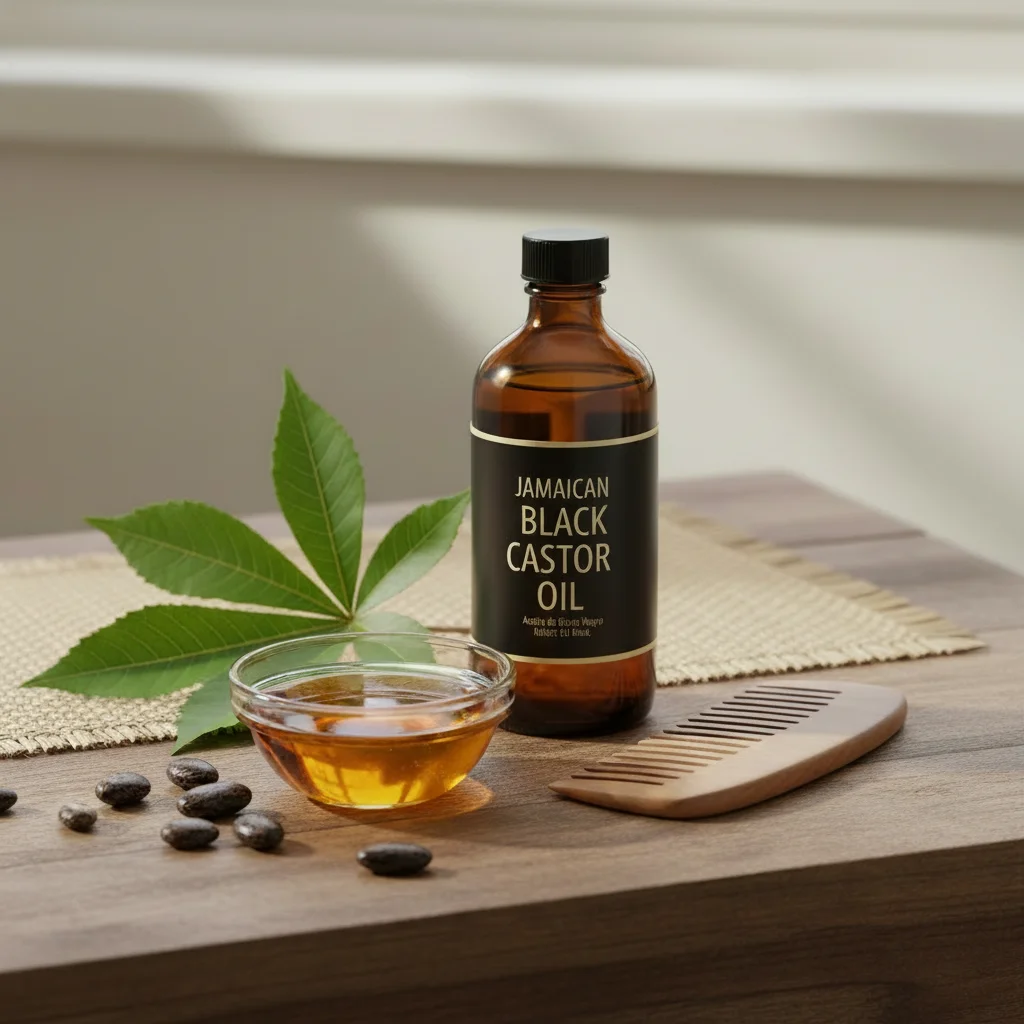
If you have ever felt completely stuck trying to get your hair to grow past a certain length, you know exactly how frustrating it can be. You look in the mirror, hoping to see a bit more volume and length, only to feel like your hair has hit an invisible wall. It is a common struggle that sends many of us running to the store to buy endless bottles of expensive, chemical-filled serums.
But sometimes, the most effective answers do not come from a lab. They come from time-tested, simple ingredients that have been passed down for generations. Jamaican black castor oil has built an incredible reputation among people looking for longer, thicker hair. It is not magic, and it does not work overnight. Instead, it is a highly effective way to give your scalp the exact nutrients and environment it needs to thrive.
I remember the first time I tried working with this thick, sticky oil. I made quite a mess because I treated it like any other lightweight hair serum. Over time, and through plenty of trial and error, I learned that this ingredient requires a specific approach.
In this guide, we will break down exactly how to use black castor oil to boost your hair growth. You will learn what makes this dark oil so special, how to apply it without leaving your head feeling like a greasy mess, and the exact steps to build a healthy, consistent routine.
What Makes Black Castor Oil Different?
Castor oil has been around for centuries, but the black variety—most commonly known as Jamaican black castor oil—has a unique edge. When you care for something, whether it is finding the right food for a pet dog or picking out a skincare product for sensitive skin, the way ingredients are processed matters deeply.
The secret to this oil lies entirely in how it is made. Instead of just pressing the raw seeds, the castor beans are slowly roasted first. After roasting, they are crushed and boiled. This traditional, hands-on process creates a rich, thick, dark-colored oil that carries a distinct, earthy, roasted scent.
Why does this roasting process matter for your hair? The ash left over from the roasted beans gives the final oil a slightly higher pH level. This subtle alkaline quality is fantastic for gently opening up your hair cuticles and clarifying your scalp, which helps the rich nutrients soak in much more effectively.
Yellow Castor Oil vs. Black Castor Oil
If you walk down the beauty aisle, you will likely see both pale yellow castor oil and the dark black version. While they come from the exact same plant, you should know the differences before putting them on your head.
- The extraction process: Regular yellow castor oil is cold-pressed. This means no heat is used during the extraction. Black castor oil requires the traditional roasting and boiling method.
- The color and texture: Cold-pressed oil is pale yellow and fairly odorless. The black version is dark brown or black, incredibly thick, and smells a bit like an old campfire.
- The scalp benefits: The ash content in the black variety acts as a natural clarifier. It helps balance the skin on your scalp and clears out blocked hair follicles, which is a necessary step if you want your hair to grow.
The Science of Hair Growth and Castor Oil
To get your hair to grow naturally and stay healthy, your hair follicles need a steady supply of blood flow and a calm environment free from irritation. Think of your scalp as the ground in a garden.. If the soil is completely dry and lacks basic nutrients, the plants simply will not grow, no matter how much you water the leaves.
Black castor oil is packed with an incredibly rare and powerful component called ricinoleic acid. This specific fatty acid is famous for its strong anti-inflammatory and antimicrobial properties. When you massage it into your skin, it helps soothe the irritation and dandruff that often block hair from growing properly.
Beyond calming the skin, the thick consistency of the oil acts as a heavy-duty humectant. It pulls moisture from the air into your hair and locks it there. This stops your existing hair from becoming dry and snapping off before it reaches its full length.
If you want to understand more about how specific fatty acids interact with human skin, you can read the scientific breakdown of ricinoleic acid on the U.S. government’s PubChem database.
Step-by-Step Guide: Applying Black Castor Oil
Because this oil is so dense, using it requires a bit of technique. If you just pour it directly onto your head, your hair will feel weighed down, and it will be surprisingly difficult to wash out. Here is how to apply it the right way so you get all the benefits without the frustration.
Step 1: Prep and Dilute
Never feel like you have to use black castor oil at full strength, especially if you have fine hair. The best way to use it is to create a custom blend.
Take a small glass bowl and pour in a teaspoon of black castor oil. Then, mix in a lighter carrier oil to thin it out. Sweet almond oil, jojoba oil, or even plain olive oil work beautifully for this. A good rule of thumb is mixing one part castor oil with two parts of your lighter oil. This makes the mixture much easier to spread across your scalp.
Step 2: The Scalp Massage Method
Hair growth starts at the root. The physical act of massaging your scalp is just as important as the oil itself because it forces blood to rush to your hair follicles.
- Part your hair: Use your fingers or a wide-tooth comb to part your hair into four or five sections. You want to expose as much of your scalp as possible so the oil goes onto your skin, not just your hair strands.
- Apply to the skin: Dip the soft pads of your fingertips lightly into your oil mixture. Never use your fingernails, as this can scratch and damage your skin.
- Work in circles: Press your fingertips against your scalp and move them in slow, firm circles. Spend about five to ten minutes working the oil across your entire head. This should feel deeply relaxing.
Step 3: Protecting Your Hair Overnight
For the best possible results, you want to leave the oil on your head for an extended period. An overnight treatment gives the fatty acids plenty of time to sink into your skin and hair shaft.
After massaging your scalp, take any leftover oil on your hands and gently smooth it over the ends of your hair. The ends are the oldest and most fragile part of your hair, so they need the extra protection.
Next, twist your hair up into a loose bun. Cover your head with a plastic shower cap. Your head naturally generates heat, and the plastic cap traps that heat, which opens up your hair cuticles so the oil can penetrate deeply. Finally, sleep with an old towel over your pillowcase to make sure no stray oil stains your bed.
Step 4: The Morning Wash
When you wake up, it is time to wash the treatment out. Because black castor oil is so heavy, you cannot just do a quick rinse.
Get into the shower and use warm water to wet your hair thoroughly. The warm water helps loosen the thick oil. Apply a generous amount of a gentle, sulfate-free shampoo directly to your scalp and scrub well. You will almost certainly need to shampoo your hair twice to get all the residue out. Once your scalp feels clean and light, apply your normal conditioner to the lengths of your hair and rinse with cool water.
For more helpful facts on managing scalp health and understanding common causes of hair thinning, the U.S. National Library of Medicine offers excellent resources on hair loss.
Common Mistakes to Avoid
Even with a great ingredient, it is easy to make a few missteps when building a new hair care routine. Keep an eye out for these common errors so your hair stays on the right track.
- Using way too much oil: More oil does not mean more hair growth. If you drown your scalp in oil, you will clog your hair follicles. Clogged follicles lead to inflammation, which can actually cause your hair to fall out. Just a few drops are enough for your whole head.
- Skipping the clarifying wash: If you use heavy oils regularly, you must clarify your hair. Over time, oils and dead skin cells build up into a stubborn layer. Use a clarifying shampoo once a month to reset your scalp so it can breathe.
- Expecting overnight magic: Hair grows an average of half an inch per month. Applying oil on a Tuesday will not give you waist-length hair by Friday. You have to use this treatment regularly, about once or twice a week, for at least three to four months before you see new growth that is easy to see.
Frequently Asked Questions (FAQs)
Does black castor oil work for all hair types?
Yes, but you have to adjust how you use it. If you have very fine, straight hair, the oil might be too heavy to leave in. You should use it strictly as a pre-shampoo treatment and wash it out after an hour. If you have thick, curly, or coily hair, your strands can handle the moisture much better, and you might even use a tiny drop on your ends daily to prevent breakage.
Can I use black castor oil on my eyebrows and eyelashes?
Of course. A lot of people have had great success using it to make their eyebrows look fuller. Before bed, just dip a clean cotton swab into the oil and swipe it across your brows. If you use it near your eyelashes, be very careful not to get the thick oil in your eyes.
Why does my scalp itch after using castor oil?
If your scalp feels itchy, you might be using too much oil, which traps sweat and dirt against your skin. Try diluting the oil more or washing it out sooner. If the itching continues, you might have a mild sensitivity to the oil itself, and you should stop using it.
Start Your Journey to Healthier Hair
Taking care of your hair should not feel like a stressful chore, nor should it require a cabinet full of chemical treatments you cannot even pronounce. By going back to basics and leaning on nutrient-dense, natural ingredients like Jamaican black castor oil, you are giving your scalp the exact support it needs to heal and produce strong, resilient hair.
Remember that patience and consistency are your best tools. Focus on the soothing scalp massages, use just the right amount of oil, and treat your hair with the gentle care it deserves.
Do you want to learn more proven routines, simple tips, and honest advice to reach your hair goals? Bookmark HaircareGrowth.com right now and join our community of readers who are taking control of their hair health every single day!