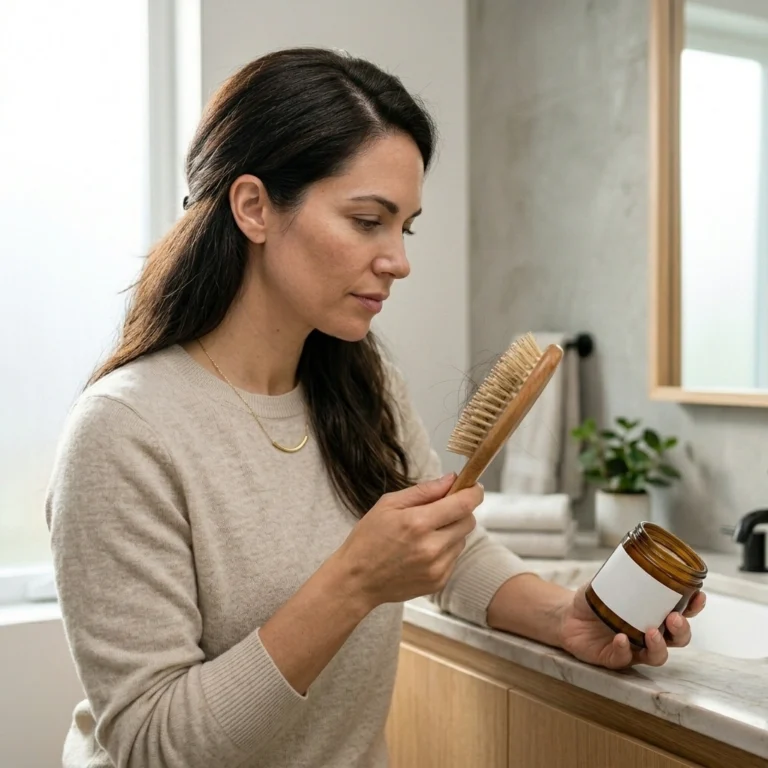
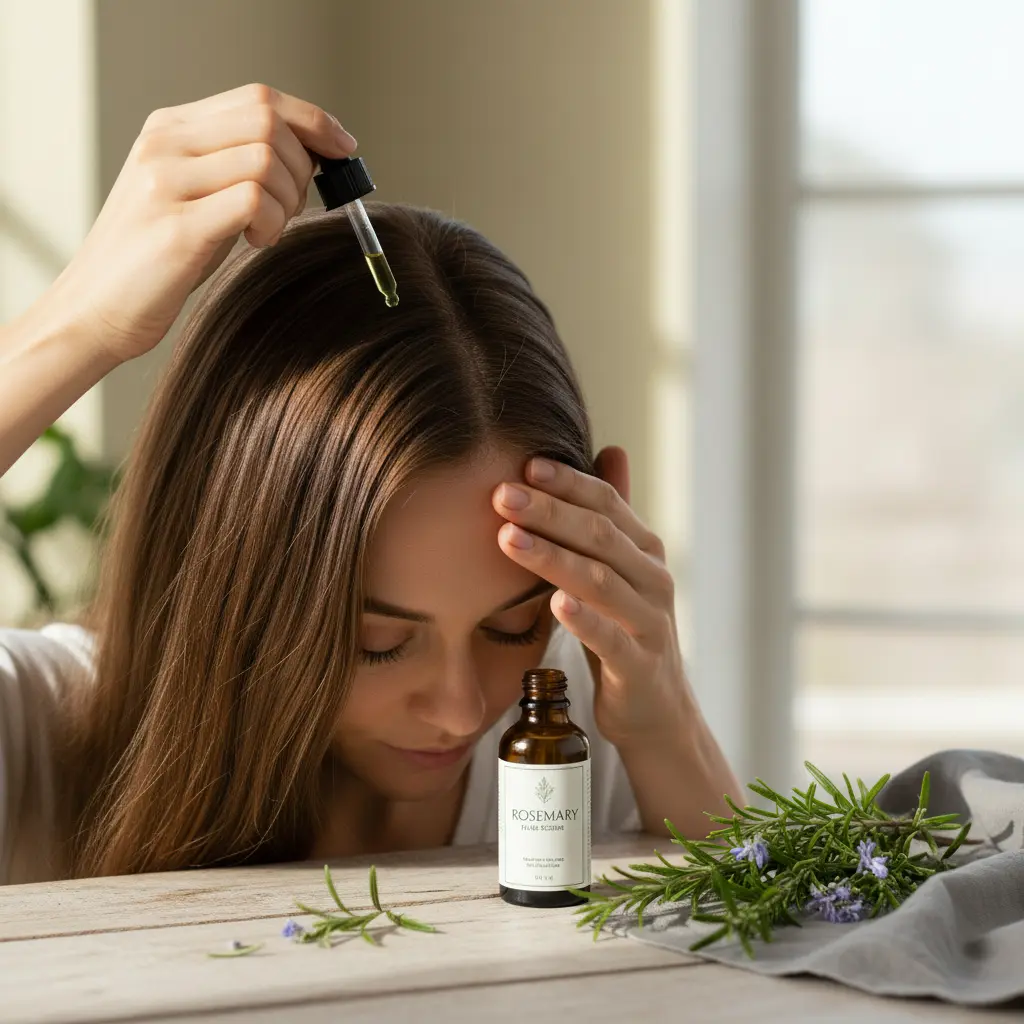
So if you watched those before and after videos and wondered if any of it is real, stick around. I’ll tell you what the research actually shows, how to use rosemary without burning your scalp, and what kind of results are fair to hope for.
Why Rosemary Should Be in Your Hair Care
Rosemary has been used by people for hundreds of years, especially in folk medicine and cooking. The good news is that scientists have finally begun to look into those old claims instead of just repeating them.
One study is quoted more than any other. A 2015 trial published in Skinmed compared rosemary oil to minoxidil, the active ingredient in many drugstore hair regrowth products. After six months, those who used rosemary had improvements in hair count on par with the minoxidil group. And that one result kicked off the rosemary trend you see everywhere now.
Here’s the honest caveat. Even a promising study is not the final word. But it gives us good reason to take rosemary seriously, especially if you’re dealing with mild thinning or extra shedding and want to experiment with something gentle.
What Rosemary May Actually Do for Your Hair
Rosemary is not going to grow new strands overnight. It seems to help create a healthier environment for the Hair you already have.
Researchers suggest a few possible reasons:
- Improved scalp circulation. Rosemary may improve blood circulation and deliver more oxygen and nutrients to your follicles.
- Soothing and antioxidant properties. A healthier, less irritated scalp usually results in more evenly grown Hair.
- Possible prevention of follicle shrinkage. Some early research suggests that rosemary may block a hormonal process related to pattern hair loss.
The bigger story is simple. A happier scalp can often mean less breakage and more consistent growth. That’s the realistic win here, not instant change.
Rosemary Oil and Rosemary Water are Not the Same Thing
These two get swapped around all the time, and the difference is important for safety.
Rosemary Essential Oil
This is the good stuff, concentrated and distilled right from the plant. This is a strong one and cannot be applied directly to bare skin. Pure essential oil will burn your scalp and turn it red and irritated in a hurry. It always requires a carrier oil to soften it.
Rosemary Water
This is the sweet cousin. You can buy it or make your own by steeping fresh or dried rosemary in hot water, then straining it and allowing it to cool. It works as a rinse or a leave-in spray. It’s rarely a problem for sensitive skin, because it’s naturally weak. If essential oils make you nervous, it’s a good place to start.
How to Use Rosemary the Safe Way
This is the part most people skip. This is the part that keeps you safe. So, if you use rosemary carelessly, you may find yourself worse off than you started.
Dilute the Essential Oil Every Single Time
The best starting point is about 3 to 5 drops of rosemary essential oil per tablespoon of carrier oil. Good choices are:
- Jojoba oil
- Coconut oil
- Sweet almond oil
- Argan oil
The American Academy of Dermatology suggests caution when it comes to using essential oils on your scalp, so it’s worth being cautious. Next time you can always add another drop,” he said. No take-backs on an itchy head.
Run a Patch Test First
Before you put anything on your head, sprinkle a little of your mixed dilutions on the inside of your arm. Give it a full twenty-four hours. If you see any redness, itching, or stinging, leave it out. This little step has saved many people’s miserable weekends.
A Routine That Sticks
This is the route I keep returning to because it is easy:
- In a small bowl, mix your thinned oil.
- Part your Hair and apply small amounts on your scalp with your fingertips.
- Gently massage for two to three minutes. The massage itself is helpful to blood flow.
- Leave on for at least 30 minutes or overnight if your scalp can take it.
- Rinse off with a mild shampoo.
Twice or thrice a week is sufficient. Spray it with rosemary water a few times a week and leave it in. No need to rinse.
Common Mistakes to Avoid
I made a few of these myself, so take my mistakes as lessons.
- Forget dilution. Top mistake: Using essential oil neat. It can burn and irritate your scalp.
- Too much or hard to keep clean.” You have to be careful not to over-wash, because this strips your natural oils and dries you out – which is counterproductive.
- Combed Wet Hair. Wet strands elongate and break easily. Use a wide-tooth comb, be gentle to avoid breakage.
- Hoping for quick results. A person’s hair grows about a half inch a month. Give any routine 3-4 months before you judge it
- Popping supplements randomly. More is not better and some vitamins can be toxic in large doses. Add pills, ask a pro.
- The real problem is not addressed. Rosemary does not cure a hormonal problem or medical condition. A scalp oil isn’t going to fix something deeper if there’s something deeper going on.
Expert Tips That Make a Real Difference
These are the habits that really moved the needle for me, and those I have helped after a lot of trial and error.
- Be consistent. Doing it randomly doesn’t do anything. Pick your days and treat them like a small appointment.
- Don’t ever skip the massage. The scalp massage may be doing as much or more than the rosemary to improve circulation.
- Keep the rest of your routine low-key. Stop using hot tools, tight ponytails and harsh products that cause breakage.
- Take progress pics. Every few weeks, take a picture of your hairline or scalp in the same light. It’s slow growth, and your eyes will miss what a picture catches.
- Get the basics. Your Hair is impacted by sleep, stress levels and a balanced diet. Rosemary is most effective as a component of a larger plan.
When to Call a Dermatologist
Rosemary is a good home experiment for light thinning Sometimes you need a trained eye.
Book an appointment if you notice:
- Bald patches or rapid hair loss
- A short period of heavy shedding
- An itchy, sore, flaky scalp that just won’t settle down.
- No improvement after months of consistent hard work.
A dermatologist can help determine if there is a genetic, hormonal, stress or health related reason for your hair loss. Once you know what you’re dealing with, many causes of hair loss can be treated effectively, says the Mayo Clinic. A proper diagnosis will save you months of guesswork.
Frequently Asked Questions
How long until I can see something with rosemary?
You’ll probably have to use it consistently for at least three or four months Hair grows slowly, and that 2015 study took a full six months to produce obvious changes.
Can I use rosemary oil everyday?
Most people only need to do it two or three times a week to keep the irritation down. Some scalps may have a daily dose of this blend, diluted correctly but start slow and see how your scalp responds.
Is rosemary water as effective as oil?
The oil was the most convincing proof. Rosemary water is milder, a smart choice for sensitive scalps, but the research behind it is not as strong.
Rosemary can grow hair on bald spots?
Likely not. It can help thinning areas but usually doesn’t regrow hair where the follicles have already shut down. Set your expectations right
Can you leave the rosemary oil on overnight?
Yes, if you can take it on your scalp. Dilute properly always. Lay a towel on your pillow. If you wake up itchy reduce your sessions.
Can rosemary be used safely in pregnancy?
Talk to your doctor first. It’s worth a quick check before you start as some essential oils are not recommended during pregnancy.
What carrier oil do I use?
Jojoba and coconut oil are popular and gentle for most scalps. Select one that is appropriate for your hair type and won’t make you greasy.
And rosemary is good for dandruff too?
It might be. It has soothing properties that could help with a mild, flaky scalp, but stubborn dandruff probably requires a targeted treatment.
Final Thoughts
Rosemary won’t change your hair story overnight and anyone who says they can is selling something. What it can do is encourage a healthier scalp, maybe give growth a little nudge and easily slot into a gentle routine without costing the earth.
The true secret is patience and good habits. Use the right dilution, do a patch test, be regular and listen to your scalp. If you notice sudden, severe, or persistent shedding, don’t just use one herb. Seek professional advice.
Give it a good few months and some honest progress photos and see how your Hair responds. It’s this grounded, steady way of doing things that’s most likely to make you really happy with the outcome.