If your hair is a sponge that soaks up water, dries fast, and then explodes into a frizzy cloud the second humidity hits, chances are you have high porosity hair. I blamed my “bad hair” for years before I knew what was really up with my strands. I changed a few habits, and the frizz subsided, and my hair finally felt soft instead of straw.
This guide is everything I wish someone had told me sooner. Find out what high porosity hair is, why it frizzes, and a routine that really works.
What is porous hair?
Porosity is how well your hair can take in and hold moisture. The secret lies in the cuticle, the outermost layer of your hair. It’s made up of tiny, overlapping scales, like roof shingles.
High porosity hair has raised or spaced-out scales. Water and product slip quickly, but they disappear just as fast. That is why after a few hours of applying a moisturiser, you feel that your hair is dry again.
It can be something intrinsic, or it can be something that comes from damage acquired over time.
A quick test for your porosity
Test home float:
- Take a clean, dry piece of shed hair and put it into a glass of room-temperature water.
- Hold for 2-3 minutes.
- If it sinks fast, you probably have high porosity. Low porosity. If it swims, it’s a fish.
Not a lab-grade test, but it gives you a useful hint.
Why High Porosity Hair Frizzes So Much
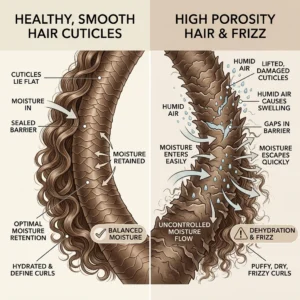
When the cuticle is raised, the humid air enters the strand unevenly, leading to frizz. The hair puffs, stands up, and loses its smoothness. It’s worse on humid days when there’s more moisture for your thirsty hair to grab.
High porosity hair can also look dull as well as frizzy because the damaged, lifted cuticles don’t reflect light well either.
Common Causes of High Porosity Hair
Some people are just genetically gifted with porous hair. Others slowly loosen the cuticle with everyday habits. The American Academy of Dermatology points to several common habits that can harm hair, such as heat styling, harsh chemical treatments, and rough handling.
Common triggers include:
- Flat irons, curling wands, and other heat tools set on high heat
- Dyeing, bleaching, perming, or relaxing
- Harshly brushing and towel drying wet hair
- Sun exposure and chlorine in swimming pools
- tight styles that pull and stress the strand.
The more of them that add up, the more your cuticle is lifted.
Signs You Have High Porosity Hair
Some of these you may recognise:
- Hair dries very fast after washing
- Products seem to vanish with no lasting effect
- Frizz is very noticeable, particularly in high humidity
- Strands are rough or dull-looking
- Tangles and breakage are common
If most of these sound familiar, your routine should be geared towards locking in moisture.
The Benefits of a Proper Routine
A steady routine is no magic wand for your genetics, but it can be a game-changer for the way your hair looks and feels. When done right, you can expect softer strands, less frizz on a daily basis, better moisture retention, and fewer tangles.
The goal is simple: it’s to get moisture in and to keep it locked there for as long as possible.
A Step-by-Step High Porosity Hair Routine
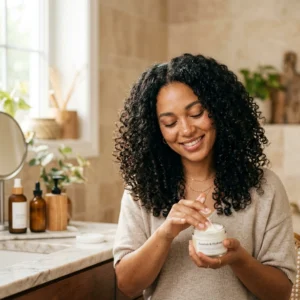
This routine worked for me and is based on commonly recommended, gentle hair care practices.
Step 1: Wash Good
Use a sulfate-free moisturising shampoo. Use your fingertips to massage it into your scalp, and let the lather rinse down the length of your hair rather than scrubbing the ends. This spares delicate mid-lengths from further roughing up.
“Don’t wash every day, wash it two to three times a week so you don’t strip natural oils.
Step 2: Condition every time
Never skip the conditioner! Dermatologists recommend using it after every shampoo as it helps to smooth the cuticle and reduce breakage.
Apply product from mid-length to tip. Leave it on for a few minutes and then rinse it off.
Step 3: Add a weekly deep treatment
High porosity hair thrives on richer, protein-and moisture-treatments. Apply a deep conditioner or hair mask once a week to help fill in gaps along the cuticle and improve softness.
If your hair starts feeling stiff or straw-like, dial back the protein and opt for moisture-based masks. Balance counts.
Step 4: Seal with the right products
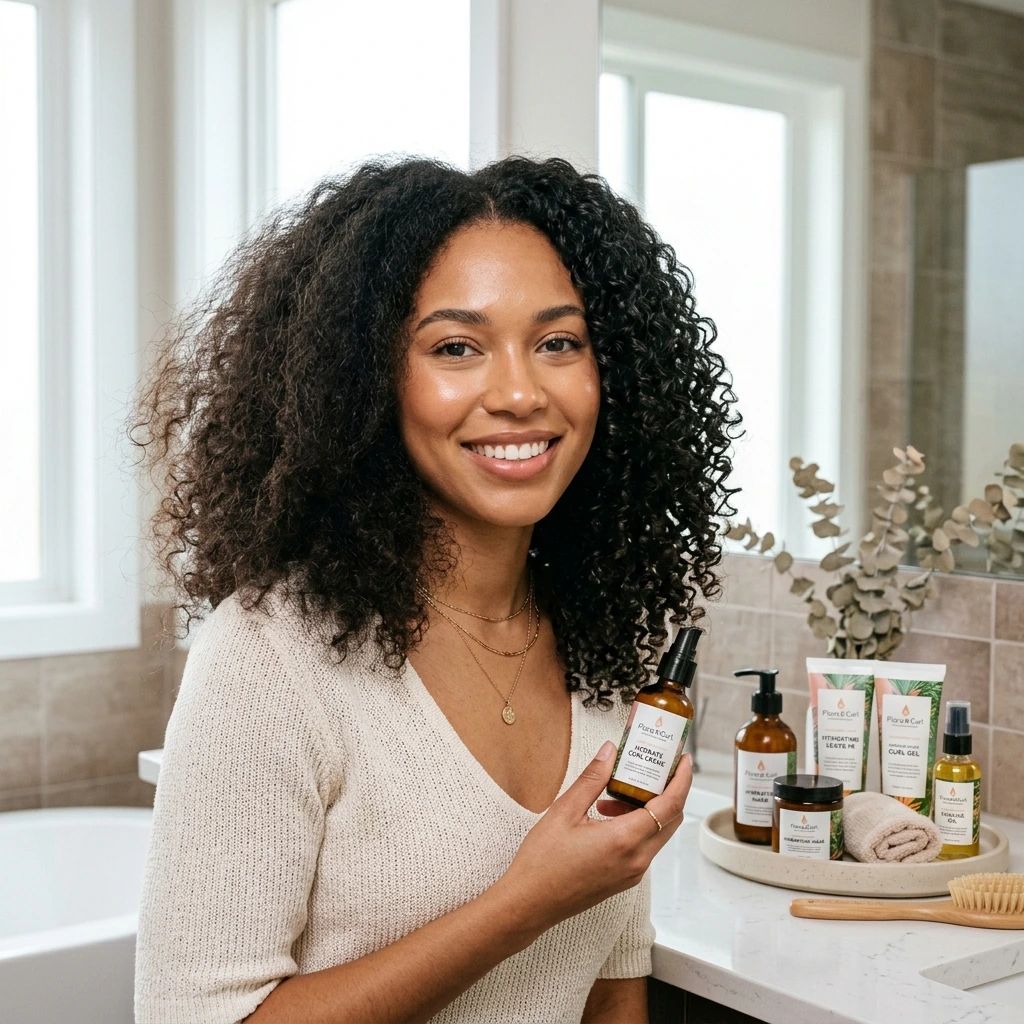
This is the difference maker for porous hair. After conditioning, layer on products to seal in the moisture:
- A hydrating leave-in conditioner
- A cream or butter to soften up
- A light oil or sealing product to seal it all in
A lot of people refer to this as the liquid, cream, oil method. The oil stage is what prevents moisture from escaping your open cuticle.
Step 5: Dry with care
Don’t rub with a rough towel. Gently wring out the water with a soft microfibre towel or an old cotton t-shirt. Then, air-dry your hair whenever possible.
If you have to use heat, use the lowest setting that works and use a heat protectant first.
Step 6: Finish cool
Finish off your shower with a cool-water rinse to help the cuticle lie flatter for a smoother surface with less frizz.
Common Mistakes to Avoid
I used to make a lot of these before things got better.
- Washing too much. Daily shampooing strips your porous hair of the moisture it needs so badly
- Roughly massage wet hair. Begin at the ends and work upward, gently combing damp hair with a wide-tooth comb.
- The sealing step is omitted. No oil or cream on top, moisture walks right back out.
- Too hot. Too often. Use hot tools once a week or less.
- Chemical services stacking. If you colour and relax, spacing out treatments protects the cuticle.
- Don’t think of sun or chlorine. Wear a hat in strong sunlight and rinse hair immediately after swimming.
Expert Tips for Smoother, Less Frizzy Hair
Other habits that helped me the most:
- Use a silk or satin pillowcase. It cuts down friction overnight, so you wake up with less frizz.
- Apply onto damp hair. “Porous hair takes product better when it’s damp, not dry as a bone.
- Leave it alone until it dries. Hands break down the cuticle and invite frizz.
- Cut regularly. Cutting off split ends stops the damage from travelling up the hair strand.
- Observe the ratio of protein and moisture. Both are good for porous hair, but too much of either throws the balance off.
- Protect your hair from the stress of aggressive styling. Looser styles are less stressful than tighter ones.
It takes three to four weeks of trying something new to know if it’s right for you. Hair reacts slowly, and one wash won’t show the full picture.
When to See a Dermatologist
Most frizz associated with high porosity responds to gentler care. But if you notice continued breakage, thinning, or bald spots, it’s worth getting checked. AAD points out that some hair problems have an underlying cause beyond styling habits, and the sooner you see a board-certified dermatologist, the better your chances of good results.
This article is for general educational purposes and not a substitute for personalised medical advice.
Frequently Asked Questions
1. Can the porosity of hair be changed?
You can’t completely alter your natural porosity — but you can improve how your hair behaves by limiting damage and sealing in moisture. Gentler habits add up over time.
2. How often do I need to wash high porosity hair?
Most people only need two or three times a week. Washing hair too often removes moisture and can make it frizzier.
3. Is oil good for porous hair?
Yes, as a final sealing process. Spread it over a leave-in or cream so it locks moisture in and doesn’t just sit on dry strands.
4. Protein is needed for high porosity hair.
It often needs some protein. Gaps in the cuticle can leave hair weaker. Keep an eye out for stiffness, as that’s a sign you’ve gone too far.
5. Why is my hair still frizzy even after moisturising?
Maybe your cuticle is letting moisture escape too quickly. A sealing oil or cream and a cool rinse will help lock the moisture in longer.
6. Do silk pillowcases really help with frizz?
It helps by reducing the friction while you sleep. It won’t fix everything on its own, but it’s an easy win with a solid routine.
7. Does heat styling make your hair highly porous?
High heat often can lift and damage the cuticle, leading to higher porosity over time. It’s less risky if you use a heat protectant and lower the settings.
Final Thoughts
Having hair with high porosity isn’t a bad thing. Just needs a little thought, with an eye to adding moisture and locking it in. Wash gently, condition every time, deep treat weekly, seal with layers, and protect your strands from heat and rough handling.
Stick with it for a few weeks and see how your hair calms down, even if it’s a humid day, totally doable—smoother, softer, calmer hair.