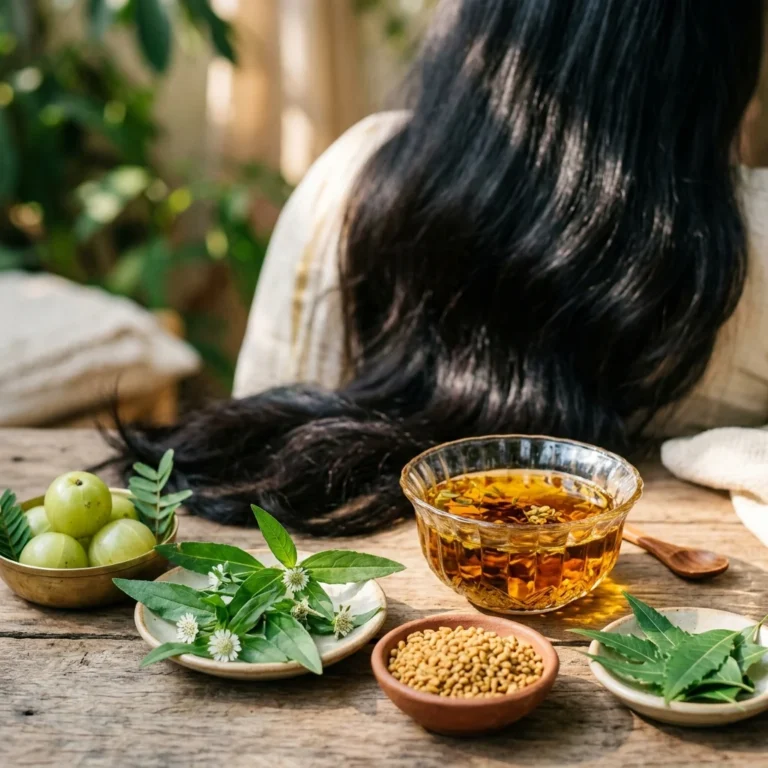

We all lose a little hair every day. You might notice a few strands on your pillow in the morning or gathered in your shower drain. That is completely normal. Most people lose between 50 and 100 hairs daily as part of their body’s natural renewal cycle. But when those few strands turn into clumps, or you start noticing your hairline changing, it can feel incredibly stressful.
If you are experiencing immoderate hair loss, you are not by myself. It is a common issue that affects millions of people for a wide variety of reasons. The good news? You do not always need harsh chemicals to fix it.
In this guide, we will give an explanation for in detail what causes hair loss and display you easy, natural ways to keep your hair healthful and sturdy.
What Causes Hair Fall?
Before we will remedy the problem, we need to understand wherein it comes from. Hair fall is usually a symptom of something else going on inside or outside your body. Let’s look at the most common culprits.
Genetics and Family History
The maximum commonplace cause of hair thinning is hereditary. If your parents or grandparents experienced hair loss, there is a chance you might, too. This type of hair fall usually happens gradually as you age, often showing up as a receding hairline or thinning spots at the crown of the head.
Hormonal Shifts and Health Conditions
Your hormones play a massive role in hair growth. Major life events like pregnancy, childbirth, and menopause can cause a sudden shift in hormone levels, leading to temporary hair shedding. Thyroid issues can also interrupt the hair growth cycle.
Stress and Lifestyle
Have you ever noticed that you lose greater hair after a tough month at paintings? High stress levels can push your hair follicles into a resting phase. A few months after a highly stressful event, those resting hairs may suddenly fall out when you comb or wash your hair. According to the National Institutes of Health, managing daily stress is essential for overall physical health, including the normal functioning of hair follicles.
Nutritional Deficiencies
Your hair needs fuel to grow. If your food regimen lacks critical nutrients and minerals, your hair may be one of the first matters to go through. Low iron, vitamin D, and protein levels are often linked to weak, brittle hair that falls out easily.
Improper Hair Care Routines
Sometimes, we mistreat our hair an excessive amount of with out knowing it. Tight hairstyles, warmness styling gear, and chemical remedies can harm the hair fiber and aggravate the scalp, causing hair to break or fall out from the root.
How to Control Hair Fall Naturally
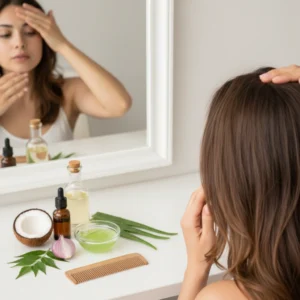
You do not necessarily need expensive clinic treatments to see an improvement. Many effective solutions can be found in your daily habits and your kitchen. Here is how you can naturally support healthy hair growth.
Focus on a Nutrient-Dense Diet
The foundation of healthful hair starts off-evolved together with your weight loss plan. Providing your frame with the proper nutrients ensures your hair follicles have what they want to grow strong hair.
- Protein: Hair is made almost entirely of a protein called keratin. Include plenty of beans, lentils, eggs, and lean meats in your diet.
- Iron: Dark leafy greens like spinach, as well as legumes, help your blood carry oxygen to your hair cells.
- Omega-3 Fatty Acids: Found in walnuts, flaxseeds, and fish, these healthy fats keep your scalp hydrated and reduce inflammation.
- Vitamins A and C: Sweet potatoes, carrots, and citrus fruits help your body produce sebum, a natural scalp oil that acts as a built-in conditioner.
Treat Your Scalp With Care
A healthy scalp equals healthy hair. Massaging your scalp daily is one of the easiest and maximum relaxing approaches to stimulate hair boom. It boosts blood circulation to the follicles, delivering the nutrients and oxygen they need. You can use your fingertips to gently rub your scalp in circular motions for about five minutes every night before bed.
Harness the Power of Natural Oils
For centuries, human beings have used natural oils to defend and nourish their hair.
- Rosemary Oil: Studies have shown that rosemary oil can be highly effective in promoting hair growth. You can mix a few drops with a carrier oil like coconut or jojoba oil and massage it into your scalp a few times a week.
- Coconut Oil: This oil penetrates deep into the hair shaft, preventing protein loss and keeping your hair strong against daily wear and tear.
Use Aloe Vera to Soothe and Repair
Aloe vera is a fantastic natural remedy for an irritated scalp. It contains enzymes that help repair useless skin cells on the scalp. It also acts as a great conditioner, leaving your hair smooth and shiny. Applying pure aloe vera gel directly to your scalp and hair a few times a week can help unblock hair follicles that might be clogged by excess oil.
Reevaluate Your Styling Habits
If you want to keep your hair on your head, treat it gently. Avoid brushing your hair while it’s moist, as it is whilst it’s maximum vulnerable to stretching and breaking. Let your hair air dry whenever possible, and keep heat styling to an absolute minimum. When you tie your hair up, use tender hair ties rather than tight elastic bands and keep away from hairstyles that continuously pull at the roots.
Making Lifestyle Changes for Long-Term Growth
Controlling hair fall naturally is not an overnight fix. It requires consistency and patience. Because hair grows only about half an inch per month, it can take a few months to notice significant changes from your new natural routine.
Managing strain is absolutely just as critical because the oils you apply. Finding ways to unwind—whether through daily walks, reading, or meditation—helps keep your body out of the “fight or flight” mode that disrupts hair growth. As noted by resources from MedlinePlus, practicing good sleep hygiene and stress reduction techniques supports cellular repair across the entire body.
Stay hydrated, move your body regularly, and try to get a good night’s sleep. Your hair is a reflection of your overall wellness. When you take care of your body from the inside out, your hair will naturally follow suit.
Ready to Start Your Healthy Hair Journey?
Addressing hair fall does not have to be complicated. By understanding the root causes and switching to a gentle, natural approach, you can create the perfect environment for your hair to thrive.
We would love to hear what natural remedies you are trying! Bookmark Haircaregrowth.com for more simple, natural tips on keeping your hair strong, and leave a comment below with your favorite scalp care routine.
Frequently Asked Questions
Can stress actually cause my hair to fall out?
Yes, severe stress can push hair follicles into a resting phase, causing noticeable shedding a few months later.
How often should I oil my hair to control hair fall?
Massaging natural oils into your scalp 1 to 2 times a week is generally enough to nourish the hair without clogging pores.
Will my hair grow back if a poor diet caused the hair fall?
Yes, once you correct nutritional deficiencies by eating a balanced diet, your hair growth cycle usually returns to normal.