Finding a clump of hair in your shower drain can be a little alarming. I’ve been there. After a year of stress and a less-than-stellar diet, my hair brush began to tell on me. So I went down the rabbit hole and talked to a couple of dermatologists, read the research, and tested a bunch of kitchen and bathroom remedies on my own scalp.
This is the honest part of what helps. Natural remedies are not going to magically cure genetic baldness or cure a health problem. They can help provide a healthier scalp, minimise breakage, and minimise the type of shedding that comes from dryness, rough handling, or minor stress. Think of them as good habits, not magic pills. Let’s do it.
Why Hair Falls Out in the First Place
It’s perfectly normal to lose 50 to 100 hairs a day. The problem starts when you lose more obvious hair, or when new hair growth slows. Typical triggers include:
- Stress, sickness, or post-operative recovery
- Hormonal changes, such as post-pregnancy or menopause
- nutritional deficiencies like low iron, zinc or protein
- Tight hairstyles that pull at the root
- Overwashing and extreme heat styling
- Genetics (inherited thinning)
The first step in effective treatment is to identify the cause, according to the American Academy of Dermatology. That’s important because a home remedy can soothe a dry scalp, but it won’t fix a thyroid problem or an iron deficiency. More on this later.
10 Natural Remedies Worth Trying
1. Scalp Massage
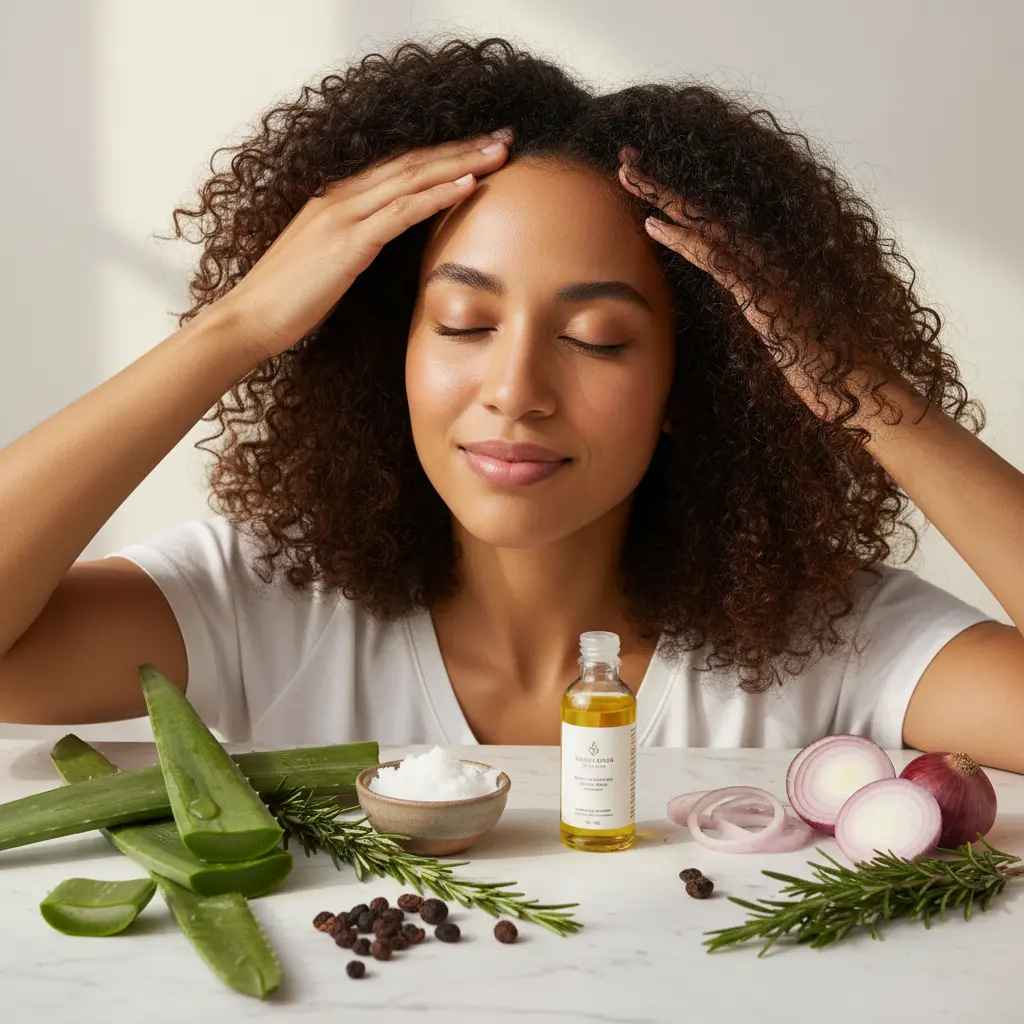
A little Scalp massage feels good every day, and there is some logic to it. Gentle pressure increases blood flow to the follicles and helps you to relax, and that never hurts when stress is part of the problem.
How to use: With your fingertips (not your nails), massage your scalp in small circular motions for 4 to 5 minutes daily. While you are watching TV.
Who it helps: Almost everyone, especially if tension and stress are involved.
Safety note: Please be gentle. You may break if you rub too hard.
2. Coconut Oil
Coconut oil is one of the few oils that has been proven to actually penetrate the hair shaft, which helps to reduce protein loss, which means fewer breakages and stronger-looking strands over time.
How to use: Warm a little in your hands, work through your lengths, and leave for an hour (or overnight) before washing. Twice a week is enough.
Who it helps: Hair that is dry, brittle, or coloured.
Safety note: skip if you have a very oily scalp or are prone to clogged follicles.
3. Aloe Vera
Aloe vera is great for soothing an itchy, irritated scalp and controlling oil. A calm scalp is better for healthy hair.
How to use it: Apply fresh gel directly to your scalp. Leave for 30 minutes, then rinse.
Who it helps: Itchy, flaky, or inflamed scalps.
Safety note: patch test first. It does affect some people.
4. Onion Juice
I’ll be honest, it stinks like hell. But a small study suggested onion juice, which has sulphur, might help with certain kinds of patchy hair loss. I promise the smell rinses out.
How to use it: Blend an onion and strain the juice. Apply it to the scalp, leave for 15 minutes, and shampoo well.
Who it helps: People with patchy thinning who want to try a low-cost experiment.
Safety note: If you feel burning or see redness, stop.
5. Rosemary Oil
Rosemary is a favourite, and for good reason. Some studies indicate it may be as effective as minoxidil for certain types of pattern hair loss, but more large studies are required.
How to use: Add a few drops to a carrier oil such as coconut or jojoba, massage into the skin, and leave for 30 minutes before washing off.
Who it helps: Anyone with early thinning who wants a gentle alternative.
Safety note: Never use essential oils undiluted. Always patch test first.
6. Fenugreek Seeds
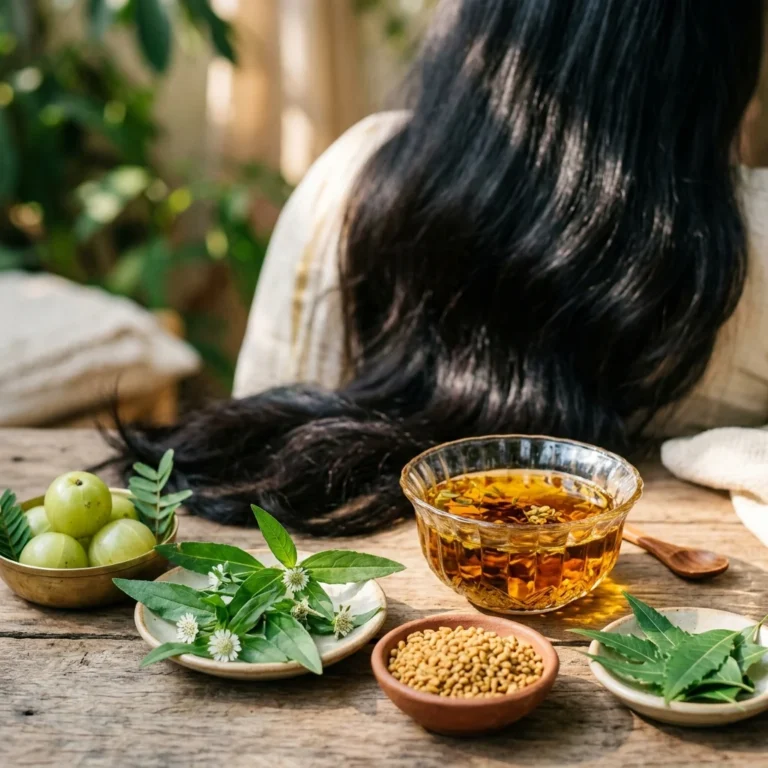
Methi (fenugreek) is a common ingredient in many traditional routines. The seeds are loaded with protein and nutrients that can help to strengthen strands and soothe the scalp.
How to use: Soak 2 tablespoons overnight, grind to a paste, apply to scalp for 30 minutes, then wash.
Who it’s for: Hair prone to breakage and dry scalps.
Safety note: Do a patch test, especially if you have plant allergies.
7. Green Tea Rinse
Green tea is packed with antioxidants, which can be good for your scalp’s environment. It also makes a refreshing final rinse.
How to use: Mix up two bags, cool, and pour over your scalp after shampooing. Leave for 10 minutes and wash.
Who it helps: Anyone seeking a simple, low-risk add-on.
Safety note: Be sure it is fully cool before applying.
8. Egg Mask
Eggs. Protein and biotin are full of them, the building blocks of hair. A mask can temporarily smooth and strengthen the surface of the hair.
How to use: Whisk one or two eggs, apply to wet hair, leave for 20 minutes, rinse with cool water (hot water will cook the egg).
Who it helps: Limp, weak, or over-processed hair.
Safety note: Do not consume if allergic to eggs.
9. A Balanced, Nutrient-Rich Diet
This is the unsexy one that counts most. Your follicles need food. Low iron, zinc, and protein are common reasons hair thins. The AAD says you should only take supplements like iron or zinc if a blood test shows a deficiency, because too much can be harmful.
How to use it: Use as your base for meals: protein, leafy greens, eggs, nuts, and seeds. Lots of water.
Who it helps: everyone, period.
Safety note: Consult a physician before taking supplements.
10. Gentle Hair Care Habits
The most inexpensive remedy of all: cease to damage your hair. Styling habits are a huge factor in breakage, both the Mayo Clinic and the AAD point out.
How to use it: Brush with a wide-tooth comb, avoid tight ponytails, limit heat styling, and pat (don’t scrub) hair dry.
Who It Helps: Anyone, but especially if you often apply heat or wear tight styles.
Safety note: Tight, pulling styles can cause traction alopecia over time
Common Mistakes to Avoid
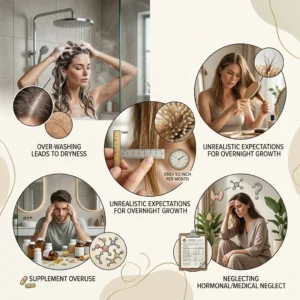
- Too frequent or too hard washing. This removes natural oils and dries the scalp out.
- Brushing wet hair roughly. Wet hair is easily stretched and broken.
- Expect overnight results. Hair grows slowly. About half an inch a month. Any routine takes three to four months.
- Random supplements filling up on. More isn’t better, and some can be toxic in excess.
- Not dealing with the real reason. A mask will not correct a hormonal or medical problem.
Expert Tips From the Research
- Stay steady, not steep. Better to do a remedy twice a week for months than every day for one week.
- Patch test new ingredients. Your scalp will thank you for it.
- Control your stress. Movement, sleep, and downtime do affect shedding, actually.
- Use photos to track your progress. Memory is not perfect. They are not photo graphs.
- Mix in some good basics with remedies. Oils and masks are most effective with a healthy diet and gentle treatment.
When to See a Dermatologist
Home remedies have their limits, and overlooking warning signs can cost you time. If you see: consult a board-certified dermatologist
- Rapid or sudden hair loss
- Uneven bald patches
- Itchy, inflamed, painful scalp
- Chronic hair loss (longer than a few months)
- Fatigue and other symptoms, Thinning with
A simple exam and blood test can reveal reasons you would never find on your own, the Mayo Clinic notes. Catching things early gives you more choices.
Frequently Asked Questions
1. How long does it take for natural remedies to work?
Allow it 3-4 months at least. Hair grows slowly, so patience comes with the territory.
2. Is there a home remedy for hair regrowth on a bald spot?
Not by themselves, probably. Genetic or medical hair loss typically needs treatments that have been verified by a dermatologist. Remedies primarily promote scalp health and reduce breakage.
3. Do I need to apply oil to my hair daily?
Nope. Once or twice a week is plenty. Oiling every day can clog follicles and attract buildup.
4. Do these remedies work for anyone?
Even people with the same type of hair loss don’t have a one size fits all approach. The results are different.
5. Are essential oils safe to apply directly to the scalp?
Never tidy. Always mix in a carrier oil and patch test first.
6. Should I be taking hair growth supplements, biotin, or iron?
Only if a blood test reveals a deficiency, the AAD says taking them when they are not needed can be damaging.
7. Is hair loss caused by stress?
Sure. Stress can cause hair loss. The good news is, this type of shedding often gets better over time with less stress.
The Bottom Line
Natural remedies aren’t magic, and if someone promises you a full head of hair in two weeks, they’re selling something. These 10 approaches can help create a healthier scalp, minimise breakage, and help your hair look and feel its best.
Be consistent, be gentle, eat well, and have realistic expectations. And if your hair loss is sudden, patchy, painful, or lasts for months, see a dermatologist. The sooner you know what the cause is, the better chance you have of doing something about it.