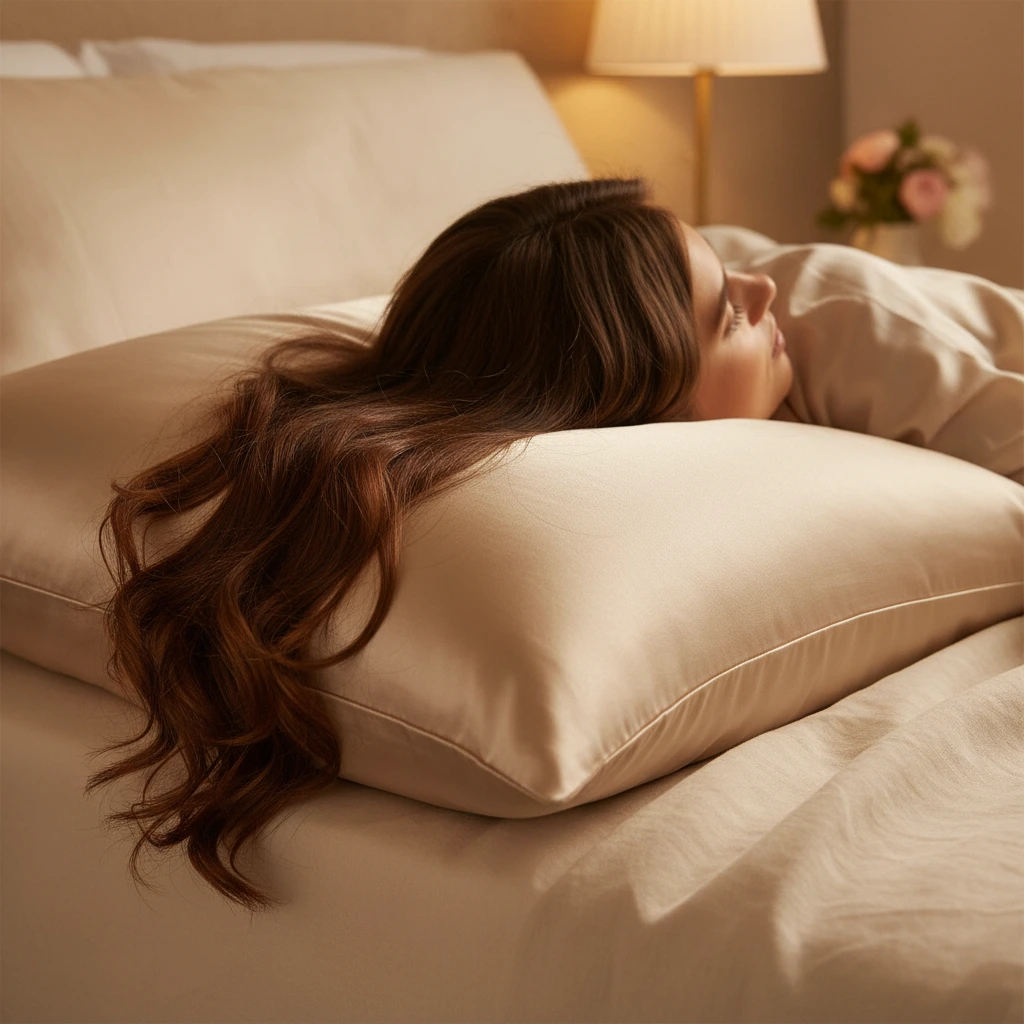
You spend kind of a third of your lifestyles drowsing. That’s a variety of time with your head on a pillow. Have you ever questioned what takes place on your hair at some stage in the ones hours?
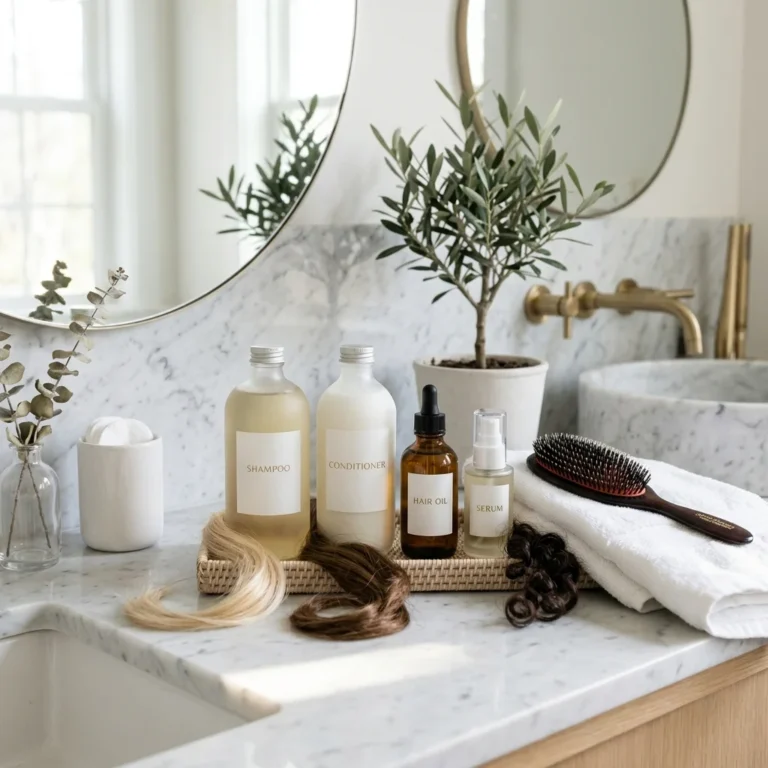
Many of us invest heavily in shampoos, conditioners, and serums. We carefully brush our hair and avoid heat damage. Yet, we might be undoing all that hard work the moment our head hits the pillow. The material you sleep on significantly affects the arrival and texture of your hair whilst you awaken.
In this manual, we are going to investigate the relationship among pillowcases and hair health. You will learn how friction causes breakage, why certain fabrics steal moisture from your hair, and whether silk, satin, or cotton is the best choice for you.
Let’s see why your pillowcase might be the maximum crucial tool you have got on your hair care.
The Hidden Link Between Sleep and Hair Health
When you toss and turn in bed at night, your hair touches the pillow. This constant movement creates friction. Over time, that friction can lead to tangles, frizz, and even split ends.
The fitness of your hair relies upon not best on what you wash it with, but also on the way you shield it from physical stress. Think about it. If If you rub a delicate piece of fabric with a difficult towel for eight hours, it will sooner or later fray. Your hair acts the same way.
To maintain healthy hair, you need to understand the environment it lives in. During the night time, your hair wishes a clean floor to glide over. It also needs to retain its natural oils. This is precisely in which the sort of pillowcase you operate comes into play.
How Friction Impacts Your Hair Every Night
Friction is the enemy of smooth, healthy hair. Every time you circulate while you sleep, strands of your hair rub towards the fabric of the pillowcase.
Hair Breakage Explained
When hair encounters resistance, it stretches. If it stretches too far, it snaps. This is known as hair breakage. Hair breakage leaves it looking uneven, frizzy, and skinny on the ends. If you often awaken to locate small clumps of hair for your pillow, friction is probably the motive.
Rough fabrics grab onto the hair shaft. Instead of letting the hair slide, they pull it. Over weeks and months, this pulling weakens the hair structure.
The Role of Cuticles
Your hair is covered in tiny, overlapping scales called the cuticle. Imagine the shingles on a roof. When the cuticle lies flat, your hair looks shiny and feels smooth.
Rough pillowcases rough up these cuticles. They force the scales to lift and catch on one another. This is what causes those stubborn morning tangles. Protecting the cuticle is critical for long-time period hair health. For extra specified records about hair shape, you can seek advice from the resources to be had at MedlinePlus.Gov.
Moisture Retention: Why Your Hair Wakes Up Dry
Does your hair feel dry and brittle in the morning, even after an in depth conditioning remedy? Your pillow might be soaking up all your effort.
The Absorption Problem
Your scalp naturally produces oils to keep your hair moisturised. These oils travel down the hair shaft to protect it from the elements.
Certain fabrics are highly absorbent. They act like sponges, soaking up the natural oils from your hair and skin. They also absorb the expensive leave-in conditioners and serums you apply before bed. When your hair loses its moisture, it becomes weak. Dry hair is much more prone to snapping and splitting than well-moisturised hair.
To hold your hair hydrated, you want a fabric that lets in moisture to stay where it should be: in your head.
Cotton Pillowcases: Classic Consolation With A Hidden Fee
Cotton is the maximum not unusual fabric for pillowcases international. It’s breathable, smooth to clean, and feels cool to the touch. But is it good for your hair?
Pros and Cons of Cotton
The most important hassle with cotton is its texture and its absorption capability. Even high thread count cotton has a slightly rough surface compared to other fabrics.
Here is what happens when you sleep on cotton:
- High friction: Cotton grabs onto hair, causing tangles and lifting the hair cuticle.
- Moisture loss: Cotton is designed to absorb water. It easily strips your hair of its natural oils.
- Product absorption: Any night creams or hair serums will likely end up in the cotton fibers rather than treating your hair.
While cotton is great for keeping you cool, it is generally considered the worst option for hair health, especially if you have curly, wavy, or easily damaged hair.
Silk Pillowcases: The Ultimate Hair Protector
Silk has gained full-size recognition in the beauty world, and rightly so. It is a herbal protein fiber produced by silkworms.
Why Silk Works Wonders
Silk is incredibly smooth. When you sleep on a silk pillowcase, your hair glides effortlessly across the surface. This removes nearly all the friction that causes breakage and frizz.
Another first-rate advantage of silk is its low absorption potential. Silk will not soak up your hair’s natural oils. It leaves your nighttime hair products intact.
Benefits of silk include:
- Frizz reduction: The smooth surface keeps the hair cuticle flat.
- Hydration: Silk helps your hair retain its moisture balance.
- Gentle on skin: Thanks to its ability to preserve moisture, it is also very beneficial for facial pores and skin.
For those with choppy hair or signs of ageing, switching to silk could make a visible difference in just a few weeks.You can learn extra approximately how bodily strain impacts hair getting older via the clinical literature at NCBI.Nlm.Nih.Gov.
Satin Pillowcases: The Budget-Friendly Alternative
If silk seems too pricey, satin is a amazing opportunity. But it is critical to apprehend what satin certainly is.
Satin vs. Silk
Silk is a fiber, but satin is a form of material. You can discover satin crafted from silk, polyester, or nylon. Most of the cheaper satin pillowcases are manufactured from synthetic materials consisting of polyester.
Even though synthetic satin is not a natural fiber like silk, it still offers a very smooth surface.
- Slip and slide: Satin allows hair to glide easily, drastically reducing friction and morning tangles.
- Low absorbency: Like silk, synthetic satin does not absorb moisture easily. Your natural oils stay on your hair.
- Durability: Synthetic satin is often easier to wash and care for than delicate natural silk.
If you are looking for an affordable way to improve your hair health, a polyester satin pillowcase is a very smart choice.
How to Choose the Right Pillowcase for Your Hair Type
Not everyone needs the same thing. Here is a quick guide to matching your fabric to your hair needs.
- For straight, healthy hair: You might get away with high-quality cotton, but satin or silk will still help prevent future damage and give you a smoother morning look.
- For curly or coily hair: Silk or satin is almost mandatory. Curly hair is naturally drier because oils have a harder time traveling down the coiled shaft. You cannot afford to let your pillowcase steal that moisture.
- For color-treated or damaged hair: Silk is your best friend. Damaged hair has a lifted cuticle that easily catches on rough fabrics. The ultra-smooth surface of natural silk provides the gentle care your hair needs to recover.
- For oily hair: If your scalp produces excess oil, you might actually prefer a clean cotton pillowcase to help absorb some of the excess. Just be mindful of friction.
Other Simple Nighttime Habits for Better Hair
Upgrading your pillowcase is a massive step forward. But you can do a few more simple things before bed to wake up with great hair.
First, never go to sleep with wet hair. Wet hair is in its most fragile state. It stretches easily and breaks under the slightest pressure. Always make sure your hair is completely dry before resting your head.
Second, consider a loose protective style. If you have long hair, tying it in a very loose braid or a loose bun on top of your head can prevent it from wrapping around your neck and tangling. Use a soft silk scrunchie rather than a tight elastic band.
Finally, brush your hair gently before bed. This helps distribute the natural oils from your scalp all the way down to the ends of your hair, naturally conditioning it while you sleep.
Conclusion
So, does your pillowcase fabric matter? The answer is a loud and clear yes.
Sleeping on rough, absorbent fabrics like standard cotton can lead to unnecessary breakage, frizz, and severe moisture loss. Making a simple switch to a silk or satin pillowcase creates a smooth environment where your hair can rest safely. It is one of the easiest changes you can make to your beauty routine, requiring zero effort once your head hits the pillow.
Protecting your hair at night means fewer bad hair days, less time spent detangling in the morning, and healthier, stronger hair over time.
Ready to transform your morning routine? Start paying attention to what happens to your hair at night, and consider upgrading your bedding for a happier, healthier head of hair.
Frequently Asked Questions
Does a silk pillowcase really stop hair breakage?
Yes, silk provides a smooth surface that allows hair to glide without catching, which drastically reduces the friction that leads to breakage.
How often should I wash my silk or satin pillowcase?
You should wash your pillowcase every one to two weeks to remove dead skin cells, oils, and dust that can affect both your hair and face.
Is satin just as good as silk for curly hair?
Synthetic satin is excellent for curly hair because it offers the same smooth, low-friction surface as silk, helping curls retain their shape and moisture.