Why Curly Hair Often Needs a Leave-Ian Conditioner
Learn how to choose the best leave in conditioner for curly hair to get softer, smoother, and more defined curls. The right formula can do wonders for your hair-care routine, from taming frizz and dryness to boosting curl definition and detangling. This guide covers how a leave in conditioner for curly hair works, what to look for in ingredients, and how to select the best one for your curl type, texture, and styling needs. Whether your hair is curly, wavy, or coily, learn how the best leave-in conditioner for curly hair can encourage healthier-looking, more manageable curls.
How Leave-In Conditioner Helps Curly Hair
A good leave-in conditioner is the bridge between washing your hair and styling it. After shampooing and rinsing out your usual conditioner, your curls might still crave some extra moisture and protection — especially if your hair is naturally dry or prone to frizz.
A leave-in conditioner can help with many things in a curly hair routine:
Adds Lightweight Moisture After Washing
Curly hair needs more moisture because the bends and twists in the hair shaft can create places where moisture can get out more readily. A hydrating leave-in conditioner coats the surface of hair, making curls feel softer and smoother.
Moisturizing formulas often contain ingredients like aloe vera, glycerin, hyaluronic acid, pro-vitamin B5 (panthenol), and plant-based extracts because they can help support moisture retention and improve the feel of dry strands.
Improves Manageability and Detangling
Knots and tangles can be a problem for curly and coily hair. When hair is lacking in conditioning, there can be more friction between strands, which can make detangling harder.
Many leave-in conditioners contain conditioning agents like polyquaternium compounds and fatty alcohols for slip. Slippier means fingers, combs, or brushes can move through curls with less effort, which can help reduce unnecessary tugging and breakage during styling.
Helps Curls Look Smoother and More Defined
The definition of your curl depends on several factors, including your natural curl pattern, hydration levels, styling method, and product choices.
A curl-defining leave-in conditioner won’t change your curl pattern permanently, but it can help curls clump more uniformly by reducing dryness and increasing flexibility. Well-conditioned curls tend to be smoother, shinier, and more defined.
Creates a Better Base for Styling Products
Leave-in conditioner is typically the first layer of styling in a curly hair routine. It can help prepare hair for the application of products such as curl creams, mousses, or gels.
For example:
- Leave-in conditioner + curl cream = softness + definition.
- Leave-in conditioner + gel for moisture with a stronger hold.
- Leave-in conditioner alone could be a perfect solution for loose waves or soft curls that don’t need much styling.
What Leave-In Conditioner Can and Cannot Do
Understanding what leave-in conditioner is for allows you to have realistic expectations.
A good leave-in conditioner can help:
- Make it more gentle
- Ease the feeling of dryness
- Detangling Made Easy
- Frizz control support
- Enhance curl definition
- Reduce style friction
- Improve hair’s overall feel
But it’s important to know what leave-in conditioner can’t do.
What leave-in conditioner can’t do:
- Repair Split Ends Forever
- Alter your natural curl pattern
- Reverse heavy chemical or heat damage
- Hair Growth Guarantee
- Substitute treatment for scalp or hair disorders
The conditioning products mainly act on the surface of the hair fiber. They can improve the look and feel of hair, but deeply damaged hair may need to be cut off, damaging practices reduced, or professional advice sought, depending on the cause.
It is important to consult a dermatologist or other experienced healthcare provider if you have abrupt hair loss, scalp irritation, severe breakage, or significant changes in the texture of your hair.
How to Choose a Leave-In Conditioner for Your Curl Type and Hair Needs
The “best leave in conditioner for curly hair” is different for everyone. One curl pattern might find a product that works beautifully, while another might find it heavy or ineffective.
Forget picking based just on curly hair or natural curls. Think about how your hair really acts.
Find the Right Leave-In Conditioner Based on Your Curl Needs
| Your Curl Situation | What Your Hair Usually Needs | Better Leave-In Choice | Avoid |
|---|---|---|---|
| Curls become flat easily | Moisture without losing bounce | Lightweight sprays, curl milks, water-based formulas | Heavy creams and thick oils |
| Hair feels dry after washing | Extra hydration and softness | Moisturizing creams with aloe, glycerin, or plant oils | Using too little conditioning support |
| Curls look undefined | Better curl grouping and flexibility | Leave-ins with good slip and lightweight conditioning | Products that leave buildup |
| Hair tangles easily | More slip for easier detangling | Conditioning formulas with polyquaternium and fatty alcohols | Rough brushing on dry curls |
| Thick curls feel rough | Long-lasting moisture support | Rich creams with oils and butters | Very lightweight formulas that disappear quickly |
| Coily hair loses moisture quickly | Moisture retention and softness | Deep moisturizing leave-ins | Frequent product switching without testing |
| Hair gets product buildup easily | Light hydration and easy absorption | Water-based lightweight leave-ins | Heavy layers of multiple products |
Consider Your Hair Texture and Thickness

Fine curly hair has a smaller diameter of the strand and can easily be weighed down with heavy formulas. Many fine curlers find that heavy creams or oils make their hair flat, greasy, or weigh it down.
For fine curly hair, look for:
- Lightweight leave-in treatments
- Formulations for aerosol
- milk curls
- Water-based products
- Ingredients that condition lightly
A lightweight leave-in conditioner can hydrate without compromising bounce or your natural volume.
Fine hair can benefit from ingredients such as:
- Aloe vera
- Vitamin B5 source
- Light plant extracts
- Supporting humectants for moisture equilibrium
Don’t put too much product, especially at the root. Begin with a small amount and only add more if your curls still feel dry.
Leave-In Conditioner for Thick, Coarse, or Coily Hair
Coily textures and thicker curls often need a bit more conditioning support since the natural oils from the scalp can have a hard time traveling down tightly curled strands.
People with thick curly hair, type 3 or type 4 hair, might like:
- Leave-in conditioners in cream form
- Rich, moisturizing formulas
- Plant oil-based products
- Sealing ingredients
Ingredients that may be helpful include:
- Argan oil
- Jojoba oil.
- Castor Oil.
- Coconut oil
- Baobab oil, Shea butter
These ingredients may help add softness and reduce the rough feeling you sometimes experience with dry curls.
For coily and kinky hair in particular, moisture balance is key because tight curl patterns are more prone to dryness. Leave-in conditioners that hydrate are a key part of wash day routines as well as protective styling and detangling.
Consider Your Hair Porosity
The capacity of your hair to take in and hold onto moisture is known as its porosity. It is not the sole factor in product choice, but it can provide useful guidance.
Low Porosity Hair
Low porosity hair has a cuticle structure that can prevent water and products from penetrating the hair strand.
People with low porosity curls typically prefer:
- Lightweight formulas
- Products not leaving a buildup
- Conditioners that are convenient to distribute
Heavy oils and thick butters can sometimes sit on the surface of low porosity hair, leaving curls feeling coated rather than hydrated.
Some users have found that using less product and applying it evenly on damp hair helps with results.
High Porosity Hair
High porosity hair is more prone to moisture loss because the structure of the hair allows moisture to escape more easily.
This may occur spontaneously or as a result of things like:
- Excessive heat styling
- Chemical treatment
- Exposure Environmental
- Broken hair
High-porosity curls can benefit from:
- Rich conditioning formulas.
- Moisture-supporting ingredients
- Products for increasing softness and decreasing harshness
Plant oils, conditioning proteins, rice extract, and strengthening ingredients can be used depending on your hair needs.
Choose Based on Your Main Hair Goal
For Frizz Control
Frizz tends to happen when hair is lacking moisture, being rubbed against something, or unevenly taking moisture from the air.
A leave in conditioner for frizzy curly hair can help to improve smoothness and reduce the rough feel of dry strands.
Look for:
- Ingredients that hydrate
- Smoothing conditioners
- Light crude
- Moisture-balancing formulation
For Curl Definition
If you want tighter curls, choose products that will give you:
- Nice slip
- Moisture flexible
- Support for curl grouping
A curl-defining leave-in conditioner will help curls hold their shape, as well as proper styling techniques, including scrunching, finger coiling, or diffusing.
For Softness and Manageability
If your curls feel rough, tangled, or difficult to comb, look for conditioning ingredients that enhance softness.
Look for:
- Fatty alcohols
- Plant oils
- Aloe
- Panthenol
- Conditioning agents
Softness is more often than not a result of better moisture and conditioning balance, not more product.
For Volume Without Weight
Fine curls and wavy hair often crave moisture, but not if it means losing their bounce.
Select:
- Lightweight leave-in formulas
- Curl Milk
- Aerosols
- Best products for fine hair
Too much leave-in conditioner can reduce volume and make curls look limp, even if the product is good quality.
Important Components of a Leave-In Conditioner for Curly Hair
Selecting a leave-in conditioner isn’t just about the product label. Knowing the ingredients will help you choose a formula that works for your hair’s needs.
“Different ingredients do different things. Some are designed for hydration, some make products softer and more slippery, some offer support for strength and manageability.
Moisturizing Ingredients
Curly hair often benefits from ingredients that help keep moisture balance and make dry strands feel better.
Aloe Vera
Aloe is a popular ingredient in hair-care products because it is lightly moisturizing. It can help curls feel softer without being too heavy and is a popular ingredient in leave-in conditioner for wavy hair and fine curls.
Glycerin
Glycerin is a humectant, which means it helps draw in and lock in water. You’ll often see it listed as an ingredient in hydrating leave-in conditioners because it helps lock in moisture.
But the performance of glycerin can depend on your environment. In very humid or very dry conditions, some people may notice that formulas with high levels of humectants affect their frizz levels differently.
Pro-Vitamin B5 (Panthenol)
Panthenol is often found in hair products as a conditioning agent to improve the feel of hair, making it look smoother and more conditioned.
Hyaluronic Acid
Because of its moisturizing properties and capacity to treat dry hair, hyaluronic acid is used in a variety of hair care products in addition to being a well-known ingredient in skincare products.
Plant-Based Extracts
Ingredients like:
- Prickly pear cactus extract
- Pomegranate extract
- Rice extract, sunflower extract
are often added to modern curl products for their conditioning and antioxidant properties.
Conditioning and Softening Ingredients
A good curly hair conditioner should help reduce the friction between the strands.
Typical conditioning agents are:
Fatty Alcohols
Despite the name, “fatty alcohols” are alcohols such as:
- Cetyl alcohol
- Stearyl alcohol
- Cetearyl alcohol
Drying alcohols are different from these. They are often used to improve the softness, texture, and spreadability of products.
Natural Oils
Plant oils can help your curls feel better by adding softness and reducing that rough feeling due to dryness.
Common oils are:
- Argan oil
- Jojoba oil
- Castor oil
- Coconut oil
- Baobab oil
- Pomegranate oil
The Best Oil For Your Hair Type. For instance, fine curly hair might do well with less product and lighter oils, whereas thick curly or coily hair may take better to richer formulas.
Polyquaternium
Polyquaternium ingredients are conditioning polymers, often used in detangling products. This can enhance slip, making curls easier to comb and style.
Protein-Based Ingredients: When They May Help
Some leave-in conditioners contain protein ingredients that can improve the look and feel of weakened hair.
For example:
- Hydrolyzed rice protein
- Collagen Vegan
- Polypeptides
- Conditioning proteins
Hair is made of keratin protein. Sometimes damaged hair can benefit from products with hydrolyzed proteins that can temporarily improve the feel of the hair surface and make it more manageable.
But protein isn’t necessarily the best choice for all types of curl.
Some people find that products with protein in them make their curls feel:
- Stronger
- More structured
- Less limp
Others may find that frequent use of protein leaves their hair feeling:
- Stiff
- Dry
- Less flexible
The perfect moisture-to-protein ratio will vary based on the state of your hair, your styling routine, and your unique needs.
Best Leave-In Conditioners for Curly Hair: Options Based on Different Needs
Rather than looking for a “best” product across the board, it’s more useful to select a leave-in conditioner according to your specific goal.
Best Everyday Leave-In Conditioner for Curly Hair
A leave-in for daily use should provide even moisture without weighing hair down.
Ideal features are:
- Lightweight hydration
- Easy application
- Nice slip
- Compatible with styling products
- A formula that works with your regular wash routine
This kind of product may be right for people who:
- Loose curls
- Medium-density curls
- Regular washing schedules
- Normal to slightly dry hair
Best Lightweight Leave-In Conditioner for Fine Curls
Fine curly hair needs moisture without losing volume.
Look for:
- Spray leave-ins
- Curl milks
- Lightweight creams
- Water-based formulas
A lightweight leave-in conditioner can be especially helpful for:
- 2A hair
- 2B hair
- Fine 3A curls
- Hair that becomes flat easily
First, apply a little. Fine hair responds better to layering products gradually rather than applying a large amount at once.
Best Moisturizing Leave-In Conditioner for Dry or Coily Hair
Richer conditioning formulas often work great for dry curls and coily textures.
A moisturizing leave-in conditioner may contain:
- Plant oils
- Butters
- Rich conditioning agents
- Hydrating extracts
These formulas may be applicable to:
- Thick curly hair
- High-density hair
- Type 3B curls
- Type 3C curls
- Type 4 hair
The aim is not to leave the hair feeling coated. It aims to increase softness, reduce friction, and make styling easier.
Best Leave-In Conditioner for Detangling
If tangling is your biggest concern, look for products that offer excellent slip.
A good detangling leave-in should do the trick:
- Loosen knots
- Improve comb movement
- Reduce pulling during styling
A lot of people will spritz on a leave-in conditioner to wet or damp hair before detangling because water makes curls more flexible.
To reduce excessive strain on the hair, you can also use a detangling brush, a wide-tooth comb, or your fingers.
Protein-Containing Leave-In Conditioner Options
Protein leave-ins can be useful for people experiencing:
- Weaker feeling strings
- Too much softness
- Curl structure loss
- Heat/Chemical treated hair
But protein should be part of a well-rounded routine.
Healthy-looking curls generally require both:
- Moisture flexibility
- Resilience strength support
Budget-Friendly Leave-In Conditioner Options
Sometimes a higher price does not mean a product will work better for your curls.
If you’re looking for affordable leave-in conditioners, look for:
- Ingredient quality
- Formula weight
- Your hair’s response
- Ease of use
A costly formula that doesn’t fit your hair needs is often less useful than a simple product that fits your routine.
How to Apply Leave-In Conditioner Correctly on Curly Hair
It’s not just about what leave-in conditioner you use; it’s about how you use it.
1. Start With Clean, Conditioned Hair
After washing your hair and rinsing out your regular conditioner, use a leave-in conditioner.
Your hair needs to be:
- Wet
- Damp
- Or towel-dried
Most curly hair responds well to leave-in when the strands still contain some water.
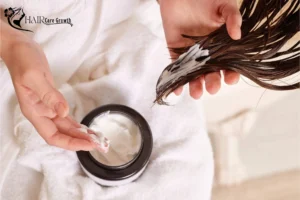
2. Apply a Small Amount First
Begin with less product than you think you need.
Rub the leave-in between your palms, then distribute through your curls.
Focus on:
- Mid-lengths
- Ends
- Areas that feel dry
Try not to put too much directly on the scalp, as it can weigh your hair down or make it look greasy.
3. Distribute Evenly
Distribute the product with your fingers, a wide-tooth comb, or a styling brush.
Proper distribution helps ensure that every curl gets conditioning support.
The most widely used methods are:
- “Prayer hands” technique
- Combing fingers
- Scrunching curls up
4. Add Styling Products If Needed
Some hair types are able to use leave-in conditioner on its own, but many curl routines use it with other products.
Examples:
For the soft definition:
- Leave-in conditioner + curl cream
For longer-lasting hold:
- Leave-in conditioner + gel
For air drying:
- Leave-in conditioner + lightweight styling product
5. Dry Your Curls
You can air dry your curls or use a diffuser attachment.
Don’t touch too much while the curls are drying; messing with the curl pattern can cause more frizz.
How Much Leave-In Conditioner Should You Use?
How often you use it depends on your hair.
Fine Curly Hair
Start with:
- A small coin-sized amount
- A few sprays for spray formulas
Too much product can kill volume.
Medium to Thick Curly Hair
You may need:
- A larger amount
- More product on the ends
Coily Hair
Dense type 4 hair may need more product because there are more strands to support with moisture.
The best test is how your hair feels when it dries out.
Signs you may be using too much are:
- Hair feels coated
- Curls lose bounce
- Product flakes appear
- Hair looks greasy
Leave-In Conditioner Mistakes That Can Affect Your Curls
More product isn’t always better product.
Too much leave-in can lead to:
- Heavy curls
- Reduced volume
- Product buildup
- Less movement
Choosing Moisture When Your Hair Needs Balance
Curls can feel dry because they need moisture, but they may also need better cleansing, strengthening support, or a change in styling habits.
A balanced routine considers:
- Moisture
- Protein
- Cleansing
- Styling
- Hair damage prevention
Applying It Incorrectly
Common mistakes in applications include:
- Only affecting the surface layer
- Too much use around the roots
- Applying on dry hair, without water
- Skipping uniform distribution
Curly hair prefers a slow, thorough application over a quick spread of product on top.
Leave-In Conditioner vs Other Curly Hair Products
The main difference is purpose.
Leave-in conditioner:
- Focuses on moisture
- Improves softness
- Helps detangle
Curl cream:
- Focuses more on styling
- Helps enhance curl shape
- Provides additional definition
A lot of people use both together.
Leave-In Conditioner vs Hair Gel
Those products have different jobs.
Leave-in conditioner:
- Adds moisture
- Improves manageability
Hair gel:
- Provides hold
- Helps curls last longer
In the curly hair community, it’s common to layer leave-in conditioner underneath gel for moisture and definition.
Can You Use Leave-In Conditioner With Hair Oil?
Yes, many people will layer leave-in conditioner and hair oil.
A common order is:
- Leave-in conditioner
- Styling product
- Small quantity of oil if needed
Oil can help lock in the feel of moisture, but too much can weigh down fine curls.
How Often Should You Use Leave-In Conditioner?
There is no one rule that fits everyone.
After Wash
Many people use leave-in conditioner after washing, as curls tend to respond well to regular conditioning.
Between Wash Days
A little bit helps refresh curls between washes.
For refreshing:
- Lightly dampen hair
- Apply a small amount
- Reshape curls
- Allow them to dry
Signs You May Need a Different Product
You might want to change your leave-in if:
- Hair always feels heavy
- Curls lose their shape
- Hair still feels dry after use
- Seems to build up fast
How to Use Leave-In Conditioner to Create a Basic Curly Hair Routine
Beginner Routine
A simple routine:
- Cleanse hair gently
- Condition
- Use leave-in conditioner
- Style curls
- Diffuse or air-dry
More Advanced Curl Routine
For more styling control:
For definition:
- Leave-in + curl cream
For stronger hold:
- Leave-in + gel
For refreshing:
- Water + small amount of leave-in
The best routine is one that works for you and your hair.
Frequently Asked Questions About Leave-In Conditioner for Curly Hair
Are leave-in conditioners good for curly hair?
Leave-in conditioners are good for curly hair because they add moisture, help to control frizz, make it easier to detangle, and leave curls feeling softer and easier to manage.
What is the best leave-in conditioner for curls?
The best leave-in for your curls will depend on your hair type, texture, and needs. Lightweight formulas work best with fine curls, while thicker, more moisturizing formulas usually work better with thick or dry curls.
What leave-in conditioner is good for Curl Up curly hair?
A good leave-in conditioner for Curl Up curly hair should be hydrating, curl-defining, and frizz-controlling without weighing curls down or feeling greasy.
What are the downsides of using leave-in conditioner?
Too much leave-in conditioner or the wrong formula can lead to buildup, flatness, less volume, or a coated feeling in your hair.
Which brand leave-in conditioner is best for curly hair?
Your curl pattern and hair needs will determine the best brand. Choose products with good conditioning properties and ingredients appropriate for your hair texture.
Final Thoughts: Choosing the Best Leave-In Conditioner for Your Curls
The best leave in conditioner for curly hair isn’t always the most expensive product or the one trending online. It’s the formula for your hair texture, moisture needs, styling goals, and daily routine.
Lightweight Moisturizer for Fine Curls. Thick curls and coily hair may require richer moisture support. Some people need a little more help with frizz; others need better detangling or curl definition.
Time to see how your hair acts over time. Healthy-looking curls generally come from consistency, gentle care, the right amount of moisture, and products that work with your natural texture.
At Hair Care Growth, our goal is to provide you with useful, scientifically supported hair care guidance so you can make confident product choices and gain a deeper understanding of your hair.
For more curly hair care tips, visit Hair Care Growth and learn how to create a routine that will keep your curls soft, manageable, and beautifully defined.
Written by Mian Hussain.