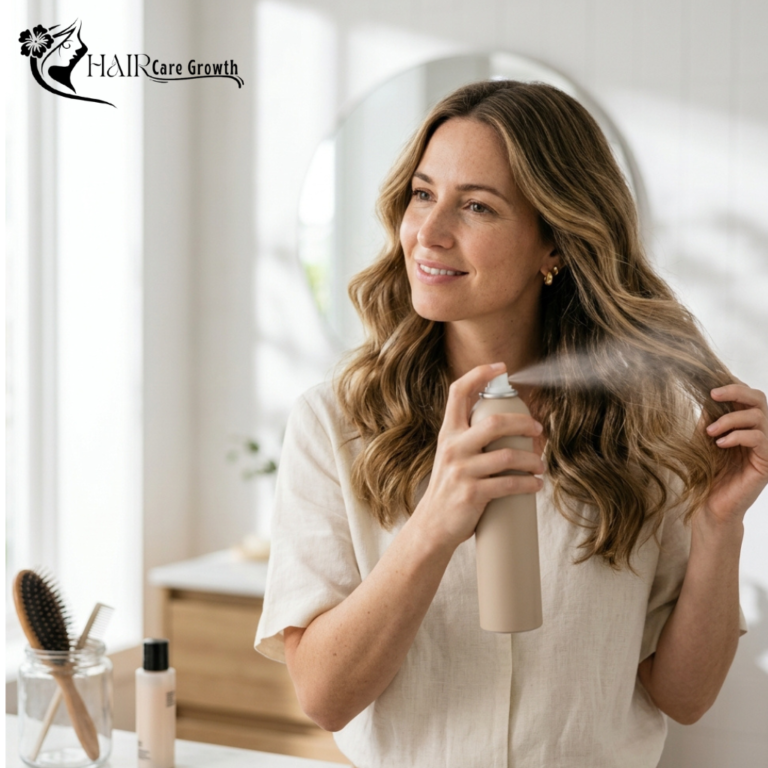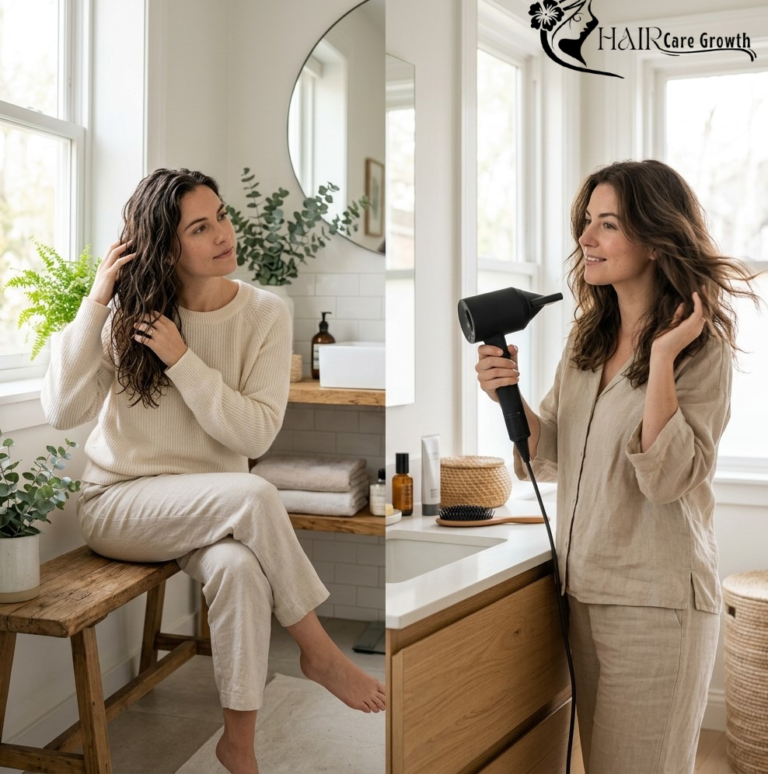
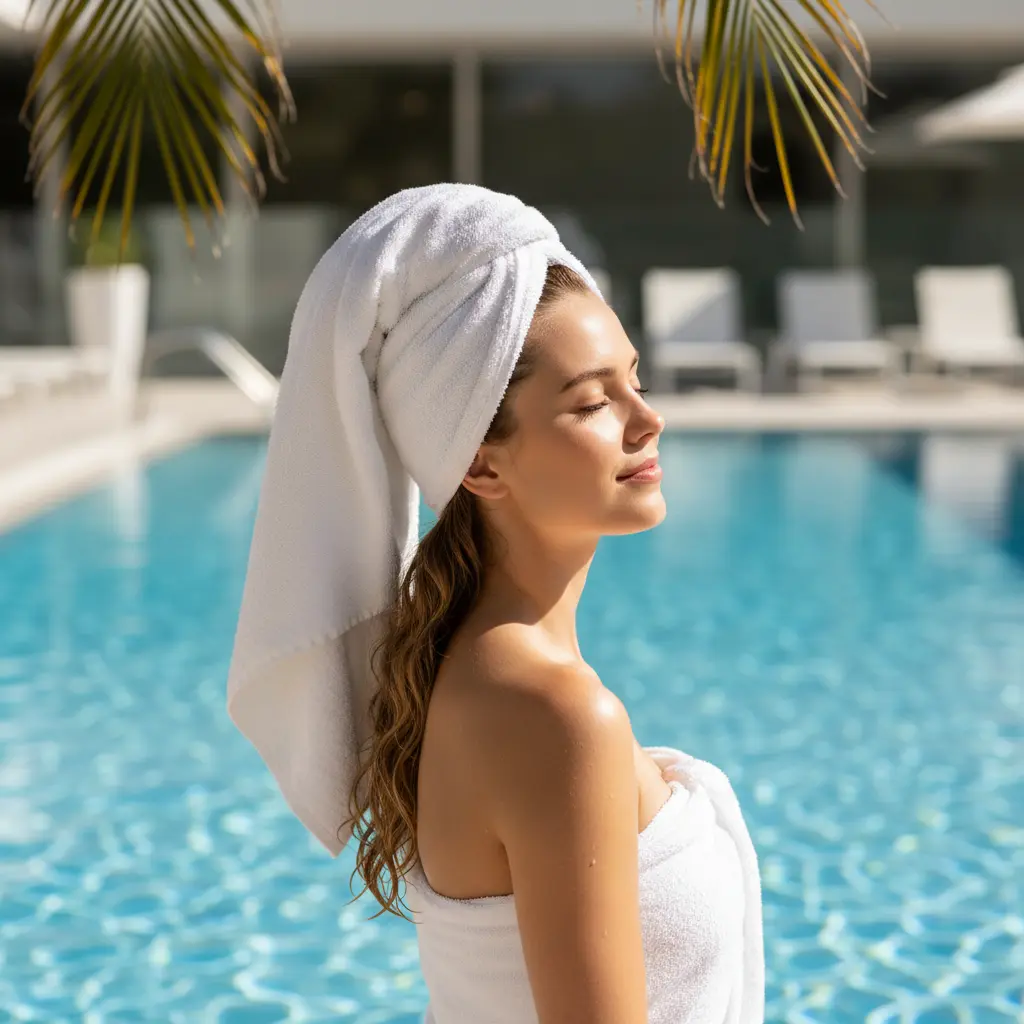
Wavy hair has a tough time after the pool, and here’s what you can do post-swim: Rinse immediately with fresh water, wash thoroughly, condition deeply, detangle gently, and use light styling products to bring back softness and definition.
Pool water can make hair feel rough, dry, tangled or super flat. People with naturally wavy hair may experience these effects more strongly because dryness and friction can make waves appear fluffy, uneven, or poorly defined.
Chlorine is important in keeping pools clean, but repeated exposure can strip the protective lipids on the surface of the hair away. The American Academy of Dermatology (AAD) says that being in the pool can make hair dry, brittle, frizzy and break, especially if you are also in the sun or have chemically treated hair.
You don’t need an elaborate recovery routine after every swim. The main things to do are to remove pool water promptly and cleanse, condition and treat gently and appropriately.
What Does Pool Water Do to Wavy Hair?
Hair is covered by an outer layer, the cuticle, and natural lipids, which make it smooth and help prevent water loss and friction.
Repeated contact with chlorinated water can break down this protective barrier. Repeated exposure to chlorine can strip your hair of its natural oils, leaving your strands dry, coarse and dull and more prone to breakage, according to the Cleveland Clinic.
One swim isn’t going to do major damage to healthy hair. The problems usually arise when hair is repeatedly exposed, is already dry or has been chemically treated, or when pool exposure is combined with a harsh shampoo, aggressive brushing and high-heat styling.
Why Waves May Appear Frizzy or Less Defined
After swimming, you may notice a change in the wave pattern, but this is not a sign of permanent damage to the hair structure.
If the strands are dry, coarse, matted, or covered with residue, parts of hair may not adhere properly. The hair doesn’t form smooth wave clusters, but breaks into fluffy or irregular clusters.
Styling products may also behave differently when you have mineral, chlorine or product residue on your hair.
After a swim, the aim is not to force curls or waves back into their original shape, but to adequately clean the hair, return it to a manageable state, reduce friction and style it to its natural pattern.
Immediate Steps After Leaving the Pool
The best and easiest first step is to rinse the hair well with fresh water.
Cleveland Clinic suggests rinsing soon after swimming, rather than letting chlorinated water sit on the hair for too long.
Make sure the water is cool to lukewarm and that it reaches the scalp, the deeper sections of thick hair and the ends.
You don’t need to scrub on this initial rinse. Let the water do most of the work.
If you can’t do a full routine at a public pool right away, a good shower rinse is still better than letting pool water sit in your hair for a long time.
How to Wash Wavy Hair After Swimming
People often ask if they should shampoo after every swim.
Every swimmer doesn’t have a universal shampoo schedule. The needs of the occasional swimmer are very different from the person doing pool workouts several times a week.
A good shampoo can help wash away the residue after a big pool session. The AAD suggests rinsing out after swimming, then shampooing and conditioning with products formulated for swimmers.
For regular cleansing, focus shampoo on the scalp and not the entire length during washing. As you rinse, the cleanser will disperse throughout the rest of the hair.
Is Clarifying Shampoo Necessary After Every Swim?
You don’t usually need to resort to stronger cleansing formulas after every short swim.
And for the regular swimmer, the Cleveland Clinic recommends an occasional clarifying shampoo to help with buildup, but warns that daily use could lead to over-drying.
This distinction is especially important for wavy hair. When hair feels excessively coated, heavy, dull or hard to style, a clarifying shampoo can be useful, but using the strongest cleanser over and over again creates a new problem: hair that gets rougher and more difficult to manage.
Also, it’s good to remember that “clarifying” and “swimmer’s” shampoos aren’t always interchangeable. There are also swimmer formulas designed to fight pool residue or buildup of minerals. Read product instructions rather than assume all deep-cleansing shampoos work in the same way.
Restoring Moisture With Conditioner
One of the most valuable parts of a post-pool routine is conditioner.
It decreases friction between strands, boosts slip when detangling and improves overall manageability after cleansing.
The amount of conditioner needed and the richness of the product should be based on the individual hair characteristics, not just the curl classification.
Lightweight rinse-out conditioner can be helpful for fine waves that collapse easily, applied mostly to the bottom lengths of hair. A richer formula may be required for coarse, dry, thick, color-treated or frequently chlorinated hair.
Cleveland Clinic also suggests weekly deep-conditioning treatments for frequent swimmers as a way to combat moisture loss and breakage.
More product doesn’t necessarily mean better results. If a heavier mask results in limp waves after several washes, a lighter formula or less frequent use is recommended.
Detangling Wavy Hair Gently After Swimming
Hair tangles easily after a pool, and this part of the routine needs special care.
No matter how much time you have, never pull a brush or comb through tangles.
Use lots of conditioner or leave-in product for slip. Divide the hair into sections and start detangling from the ends and work your way up. Don’t just yank through the knots from the roots.
Use your fingers, a wide-tooth comb, or a detangling tool that is designed to move through hair without too much pulling.
The best tool will be one that separates the tangles instead of getting stuck or pulling on the strands again and again.
Restoring Waves After the Pool
Once your hair is clean and conditioned, styling should be pretty easy.
If strands are still dry or hard to detangle, use a lightweight leave-in conditioner on damp hair and then use the styling product that best suits individual wave patterns.
Foam, mousse or a light gel are generally good for fine hair. Thicker or drier waves might require a touch of cream before a gel or stronger hold product.
Don’t load on the products; don’t use leave-in conditioner, curl cream, oil, mousse, gel and serum all at once, as this can make the hair look coated or stretched.
After applying product, scrunch sections up gently toward the scalp. The less you touch it as it dries, the less the wave clusters will separate, and the less frizz you will get.
Should Hair Oil Be Used After Swimming?
It can be of some (limited) benefit to use hair oil after a swim.
A little bit can tame dry ends, reduce roughness and add shine. Oil-based finishing products also reduce strand-to-strand friction.
But oil can’t replace shampoo or conditioner. Oil will not remove unwanted pool residue from your hair.
For fine wavy hair, a little goes a long way – usually one or two drops depending on the product and length of hair. Do not apply to the scalp, only to the ends.
Thicker or coarser waves may require richer formulations or a slightly larger quantity.
The rule of thumb is easy: use enough product to improve the finish without changing the hair’s natural movement.
Selecting Products for Post-Pool Wavy Hair Care
You don’t need a whole bunch of specialised “swimmer hair” products. You can usually put together a practical routine from a cleanser, conditioner, optional leave-in treatment, styling product and occasional deeper-cleansing formula.
|
Product |
Main Purpose |
Best Use |
|---|---|---|
|
Gentle shampoo |
Removes everyday residue |
Regular wash days |
|
Swimmer’s or clarifying shampoo |
Removes stubborn buildup |
As needed, especially for frequent swimmers |
|
Conditioner |
Improves slip and manageability |
After shampooing |
|
Deep conditioner |
Provides more intensive conditioning |
When frequent swimming leaves hair unusually dry |
|
Leave-in conditioner |
Adds slip and lightweight moisture |
Damp hair before styling |
|
Mousse, foam, or gel |
Supports wave definition and hold |
After conditioning |
|
Hair oil or serum |
Smooths and finishes the ends |
Small amount after leave-in or styling |
Product labels like “curly,” “wavy”, or “moisturizing” are only a starting point; the real indicator is the effect of a product on your hair’s formula.
If waves are heavy and flat, back off on product quantity or richness. If the ends are still rough and difficult to detangle, it likely means you need more conditioner, not more styling product.
How to Dry Wavy Hair After Swimming

Don’t rub vigorously with a bath towel.
And if hair is already difficult to manage post-swim, friction can make strands rough and tangled.
Instead, use a soft towel or similar smooth, absorbent fabric to gently squeeze out excess water, blotting rather than rubbing.
Air-drying can be an acceptable alternative if it is compatible with individual routines. If you are using a diffuser, keep the heat and airflow controlled, rather than on max heat for faster drying.
The aim is not to take out all the warmth, but to not put more heat on hair that is already dried.
Adjusting the Routine to Wavy Hair Type
Fine waves usually benefit from restraint. Fine waves can be flattened by too much conditioner, butter, oil or curl cream, sometimes more so than by chlorine alone. Start with light formulations and small quantities.
For thick or coarse wavy hair, more conditioner may be needed, applied section-by-section, paying extra attention to the ends.
Color-treated or bleached waves need a little extra TLC because the chemical processing can make them more susceptible to environmental stress. AAD guidance suggests that lighter hair may be particularly susceptible to chlorine and UV damage.
If your roots are oily and your ends dry, treat them separately, washing the scalp as necessary and applying richer conditioners and finishers to the lengths.
Considerations for Frequent Swimmers
For the frequent swimmer, consistency is more important than aggressive treatment.
After each pool session, it is recommended to rinse promptly and cleanse the scalp and area of exposure with the appropriate cleanser. Conditioner should then be applied and the damp hair handled gently.
Record hair behaviour over a few weeks. If your hair is coated and styling products no longer work as they should, an occasional clarifying treatment can help. If hair is getting rougher and rougher, even with regular washing, then a stronger shampoo is unlikely to be the answer. Instead, look at your conditioning habits, heat styling and how often you clarify.
Regular swimmers might also find a weekly deep conditioner a good idea, especially if hair lengths are often dry.
Common Post-Pool Mistakes
Most issues arise from excessive rather than insufficient care:
- Leaving pool water in your hair for long periods of time. Rinse with fresh water as soon as possible.
- Use a strong clarifying shampoo after each swim. A deeper cleansing has a purpose, but it can create dryness if done often.
- No conditioner. Clean hair without it can be rough and hard to detangle.
- Brushing out the knots. Add slip and detangle from the ends up.
- Using too much oil. Oil can help tame dry ends, but too much will flatten the waves.
- Towel dry vigorously. Rubbing causes more friction than squeezing and blotting.
- Immediately after applying intense heat. If you need to diffuse or blow dry, use heat in a controlled way.
Protecting Waves Before the Next Swim
It’s easier to take care of yourself after the swim if you cut down your exposure before you get in the pool.
A good measure is to wet your hair with fresh water beforehand. The Cleveland Clinic suggests wetting your hair before swimming to help lessen the amount of chlorinated water absorbed. A leave-in conditioner or hair oil can offer another layer of protection, as can a snug swim cap.
The AAD also offers similar advice, recommending oil or leave-in conditioner and a swim cap.
You wear a swim cap, but that doesn’t mean all your hair is dry, so you still need to rinse your hair after swimming.
A Simple Five-Step Routine
Most wavy-hair routines follow this crucial sequence:
Rinse → Cleanse as needed → Condition → Detangle gently → Restyle lightly.
Extra masks, clarifiers, oils and treatments should be added only where needed, not as a matter of course.
Frequently Asked Questions
Do you have to wash your waves after every swim?
After each swim, it is best to rinse off with fresh water. If you swim a lot, if your scalp is very oily or very dry, if you are exposed to a lot of chlorine or salt, or if your hair is very dry or very oily after swimming, you may need shampoo more often.
Does chlorine permanently damage wavy hair?
Occasional exposure does not mean permanent damage to the wave pattern. Repeated contact with chlorine can turn your hair dry, coarse and brittle, especially if you don’t follow up with proper aftercare.
Do you get to use clarifying shampoo after every pool swim?
Maybe not. Clarifying shampoos can help lift buildup, but overuse may lead to dryness in certain hair types. Use should be guided by swimming frequency, hair condition and product instructions.
Why Does Wavy Hair Look Frizzy After Swimming?
Dryness, tangling, friction, disturbed styling and pool residue can cause wave separation and frizz.
How can waves be restored after swimming?
Condition well, detangle gently, use a light leave-in if necessary, use a wave-defining product and scrunch damp hair instead of brushing aggressively.
Can I use hair oil after swimming?
Yes. A little on the ends or lengths will add smoothness and shine, but oil is not a replacement for proper rinsing, cleansing and conditioning.
Do I need a shampoo for swimmers?
Not all the time. These products may be helpful for frequent swimmers or those who have a lot of pool residue, but those who swim occasionally probably can get away with their normal cleaning.
Do you need a swim cap with wavy hair?
A swim cap can help, especially if you swim often or for long periods of time. It will reduce exposure, but it may not keep hair completely dry.
When Professional Evaluation Is Warranted
The majority of dryness after swimming can be treated with standard cosmetic hair care. If the scalp continues to burn, the patient experiences severe irritation, abnormal hair breakage, or sudden changes that persist after the suspected trigger has been discontinued, the patient should be professionally evaluated.
“Whether the problem is cosmetic damage or a sign of an underlying scalp or hair condition that needs to be treated differently, only a dermatologist can tell.
This article is for general hair-care education purposes and is not a substitute for medical diagnosis or treatment.
Conclusion
Caring for your wavy hair after swimming doesn’t have to be a harsh detoxification routine. There’s no one-size-fits-all, but a good plan is to rinse right away, cleanse as needed, condition regularly, detangle gently, and use lightweight styling products that work for the person’s wave pattern.
If you swim regularly, watch for changes in your hair over time. Hair that’s coated may need a deeper cleansing from time to time, while hair that’s rough but clean may need a gentler touch and better conditioning.
A fresh-water rinse, leave-in protection or a swim cap will make the post-pool routine much easier before your next swim.
If you want to add to your hair care routine, outside of your swim days, check out our other guides to the best shampoos, conditioners, hair oils and styling products for wavy hair.
Sources & References
- American Academy of Dermatology (AAD) — Summer Hair Care and Swimming Guidance
- Cleveland Clinic — How to Protect Your Hair From Chlorine
- PubMed Central (Peer-Reviewed Research) — The Exposome Impact on Hair Health
Written By Mian Hussain.