At Hair Care Growth, I’ve helped people sort out cranky scalps for years, and dry scalp is easily one of the most common concerns that lands in my inbox. The good news? Most cases settle down pretty well with some thoughtful tweaks. Let’s dive into what is happening up top and better yet, how can we get your scalp back to comfort.
Why a Healthy Scalp Matters
Before we get to dryness, here’s something to keep in mind. The ground where your hair grows is your head. When your hair is balanced, well-hydrated, and calm, it has a much better chance of growing strong and shiny. And when it’s irritated and flaky, styling and confidence suffer. So caring for your scalp isn’t just about comfort. Think of it as a commitment to healthier, stronger hair for years to come.
What Causes a Dry Scalp?
This is the same reason your scalp dries out, and your hands crack in the winter. Too much water and protective oil are lost. But when that natural barrier gets thin, you get that itchy, tight prickliness, and the flaking starts.
The usual suspects are:
- Cold and dry weather. Low humidity is stealing moisture from your skin, quietly.
- Harsh shampoos. Strong sulfates strip the oils your scalp needs.
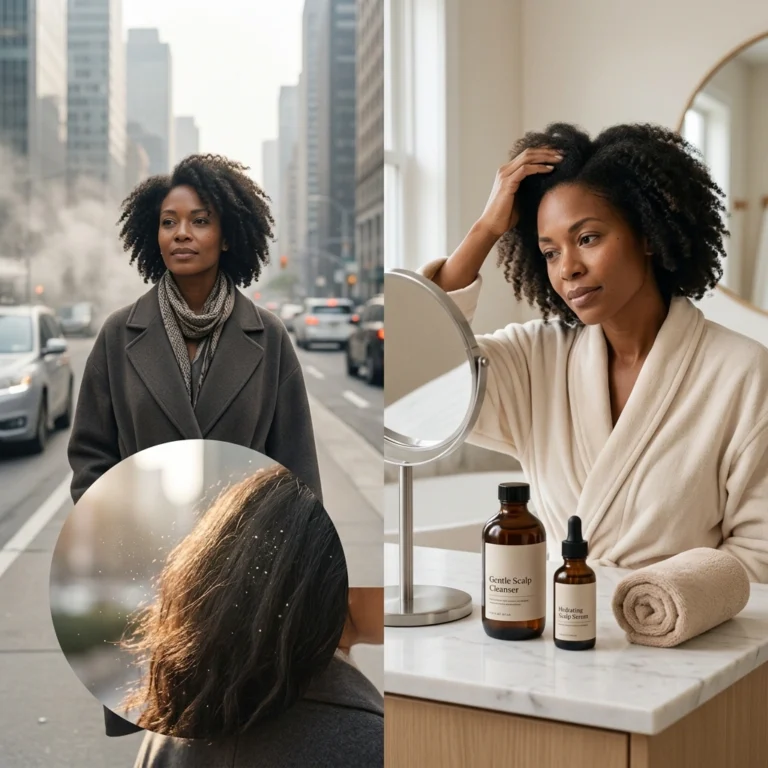
- Too much washing. Don’t wash too much or your scalp will be thirsty.
- Warm water. Hot showers are so good, but they dry out your skin.
- Product buildup and hard water. Sensitive areas may be irritated by residue.
- The old age. And, as the years go by, you make less oil in your skin.
Here’s one I always tell people: The cure is usually more gentle care, not a more expensive product. Sometimes less is just what your scalp needs.
Dry Scalp vs. Dandruff: Why It Matters
These two are always getting confused, and I don’t blame them.” They look like twin. But the distinction helps you pick the treatment that really works.
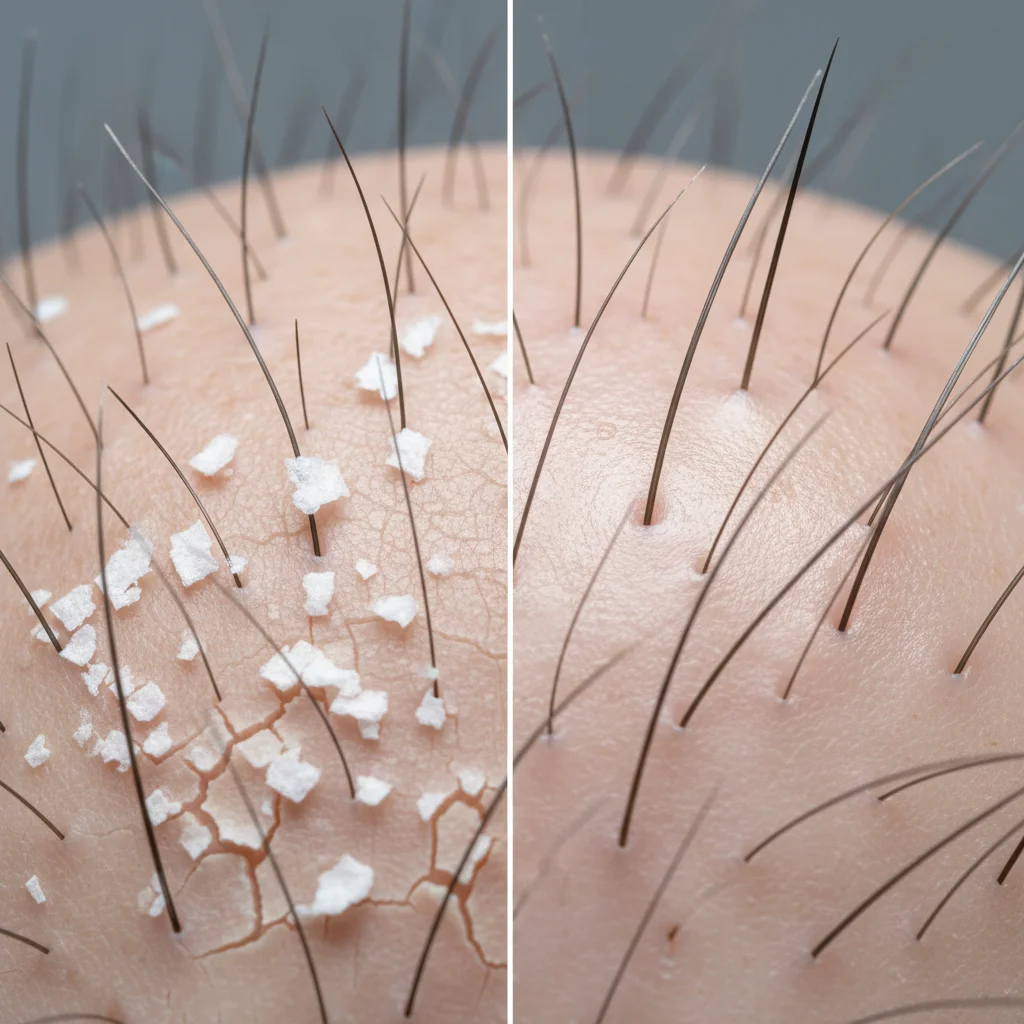
When the skin loses moisture, it becomes a dry scalp. The flakes are usually white, small, and dry. You might feel tightness in your skin and notice dryness in other places, such as your face or hands.
Dandruff behaves a bit differently. The American Academy of Dermatology says dandruff flakes are often larger and sometimes greasy. A skin condition called seborrheic dermatitis, which is linked to a yeast that naturally lives on your skin, is often connected to dandruff.
To quickly tell them apart, do the following:
- The flakes of dry scalp are small and dry, with general dryness of the skin.
- Dandruff flakes appear larger, sometimes greasy, and your scalp may feel oily.
If you switch to a gentle, non-medicated shampoo and it works, you probably had a dryness problem. If you have to use a medicated dandruff shampoo to get results, you may have seborrheic dermatitis.
When It Could Be Seborrheic Dermatitis
Seborrheic dermatitis is not just a simple flaking. It can cause redness, greasy scales, and persistent itching. The AAD points out that a good dandruff shampoo clears mild to moderate cases in many people, and sometimes that’s all the treatment they need.
The secret is to be patient. Leave the shampoo on your scalp for the full time stated on the label so the active ingredients can work. Straight or wavy hair often does well with a few times a week. For curly or coily hair, once a week is usually gentler and equally as effective.
Could It Be Scalp Psoriasis?
Sometimes that incessant dryness is actually scalp psoriasis. It is a long-term skin problem in which the skin cells grow more rapidly than normal and form thick patches.
The NHS says psoriasis presents itself as dry, itchy, flaky patches that turn into silvery-white scales, and it is common to appear on the head and behind the ears. Stress, some infections, and skin injuries can trigger psoriasis.
Look out for these signs:
- Thick, raised patches that have a silvery sheen
- A throbbing or burning sensation
- Flakes that are heavier than just dandruff
Psoriasis is not curable but is manageable with the right plan. If you think you have it, make an appointment with a doctor or board-certified dermatologist for an accurate diagnosis.
Home Remedies That Actually Help
Now for my favorite part, because there is a lot you can try right at home! These gentle steps help promote a healthy scalp care routine and quell that maddening itch.
1. Select a sulfate-free shampoo. Look for words like “gentle,” “moisturizing,” or “hydrating.” Your scalp will be grateful.
2. Cool down your showers. Water (Lukewarm water cleans beautifully without stripping moisture.) Your skin will feel the difference, I promise.
3. Use a moisturizing scalp treatment or hydrating mask. Aloe vera, glycerin, and hyaluronic acid are wonders for calming ingredients.
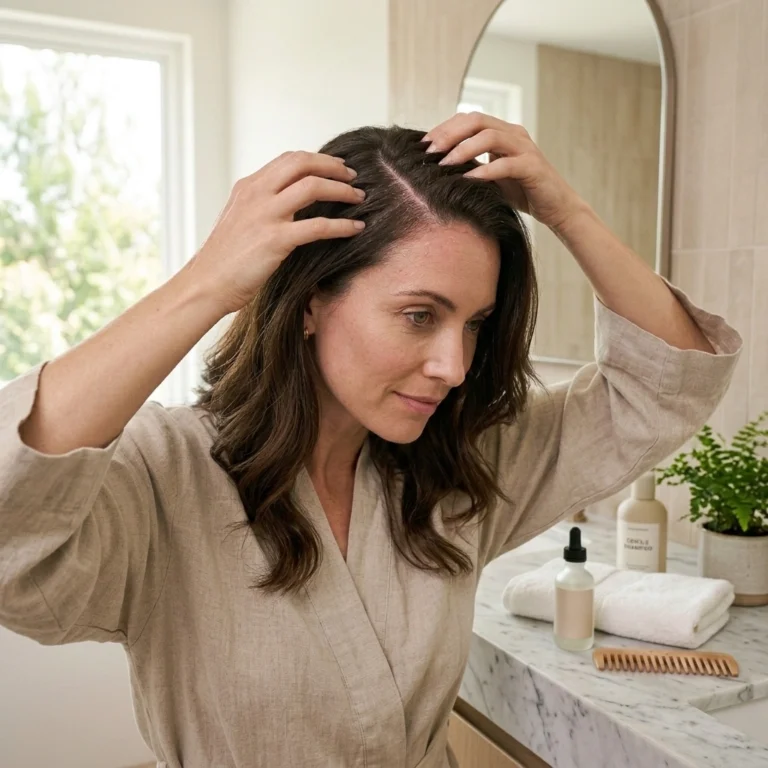
4. Gently massage. Fingertip massage for a few minutes increases circulation and feels amazing. Just keep away from the nails. Scratching makes it worse.
5. Brush off flakes carefully. Get rid of the flakes with a soft brush before you wash.
Best Shampoos for a Dry, Itchy Scalp
The shampoo aisle can be overwhelming, so here’s what to look for depending on your situation.
Zinc Pyrithione
It’s a classic for a reason. Zinc pyrithione helps control the yeast that causes seborrheic dermatitis and soothes flaking. “For many, it’s a good first step.”
Ketoconazole
Ketoconazole is an antifungal ingredient found in some dandruff shampoos. The AAD says it can reduce rash, itch and scale. Definitely worth a try if you’re not seeing results with standard formulas.
Tea Tree
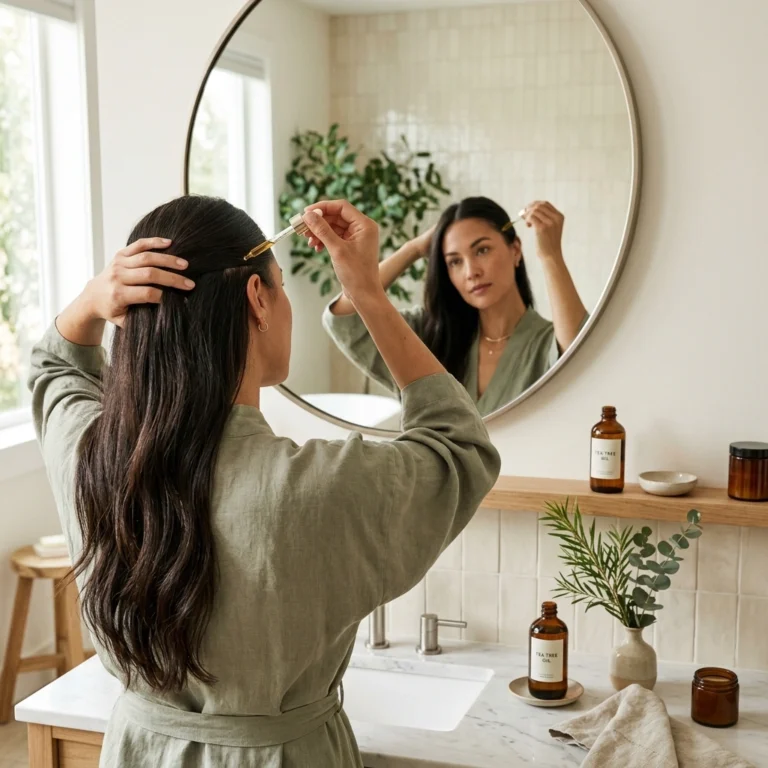
Tea tree oil is a natural soother, with a fresh, tingly feel. It’s loved by many for mild itching though a little goes a long way as it can be quite potent.
One tip from experience: if one shampoo seems to lose its effectiveness over time, rotate to another. Often that welcome relief comes from a change of things.
Soothing Scalp Oils
Oils are such a treat for a thirsty scalp! They help lock in moisture and ease that tight, flaky feeling.
- Coconut oil is easy to take in and nourishes.
- Jojoba oil is similar to your skin’s own oils, so it doesn’t feel as greasy.
- Argan oil gives softness and a gorgeous shine.
Rub between your hands to warm slightly, massage into scalp, leave on for 20-30 minutes and then wash as normal. “Too much. Once a week.
Lifestyle Tips for a Happy Scalp

Your scalp is a reflection of your health, and a few simple daily habits can go a long way.
- Drink lots of water. Healthy hydration begins from the inside out.
- Eat foods rich in omega-3 fatty acids, such as salmon, walnuts, and flaxseeds.
- Stress reduction Stress can trigger flare-ups. Find out what really helps you chill out.
- Use a humidifier to help add moisture back into the air during the dry months.
- If you have thinning hair, wear a hat to protect your scalp from the sun.
Common Mistakes to Avoid
I’ve seen these missteps quietly ruin so many scalp routines. Stay away from them!
- Pasture. It feels good for a minute but it only makes the irritation worse and can damage the skin.
- Washing too frequently. This takes away natural oils and keeps the dryness loop going.
- Avoid the wait time on medicated shampoos. The ingredients need time to touch and work.
- Heavy stacking products. Buildup clogs and irritates your scalp.
- Ignoring persistent symptoms. If you’re stuck, call in a pro.
Expert Tips for Lasting Relief
Some of my favorites that really move the needle, here they are:
- Try new products behind your ear first. You don’t want any unwelcome surprises.
- Treat the scalp, don’t just treat the hair. That’s where the real play needs to take place.
- Be consistent . Scalp care takes time to reward, so give a new routine a few weeks.
- Just keep a simple record of what you use and how your scalp reacts. Patterns speak volumes.
Frequently Asked Questions
1. How frequently should I wash my hair if I have a dry scalp?
Most people do OK washing two or three times a week with a mild shampoo. See how your scalp reacts and adjust as needed.
2. What causes hair loss on dry scalp?
By itself, dry scalp usually doesn’t cause hair loss but constant scratching can damage hair. Hair loss can also be caused by conditions such as scalp psoriasis or fungal infections, so if you notice hair loss, see a doctor.
3. Are natural oils enough to treat dry scalp?
Oils do help to lock in moisture and soothe mild dry skin, but they are not a remedy for medical conditions such as seborrheic dermatitis or psoriasis.
4. How long before I get the results?
Many see improvement after a couple of weeks of consistent care. More stubborn cases might take a little longer.
5. Is dandruff the same as a dry scalp?
No. A dry head happens when water is lost. Seborrhoeic dermatitis is often linked to dandruff. They require slightly different approaches.
6. When is it time to see a dermatologist?
If over-the-counter products don’t help after a few weeks, or you see redness, thick scales, sores or hair loss, book an appointment.
7. Stress really can affect my scalp?
Yes! Stress can cause flare-ups of conditions like psoriasis and seborrheic dermatitis, so reducing stress helps to maintain a healthier scalp.
Closing Thoughts
If your hair is dry and itchy, don’t worry—there are many gentle, effective tools that can help. Start with a more gentle shampoo, lukewarm water, and some scalp TLC. Use soothing oil treatments, be mindful of daily habits and be patient. With consistent care, your scalp can be comfortable and free of flakes again, and that’s a confidence boost you really deserve!