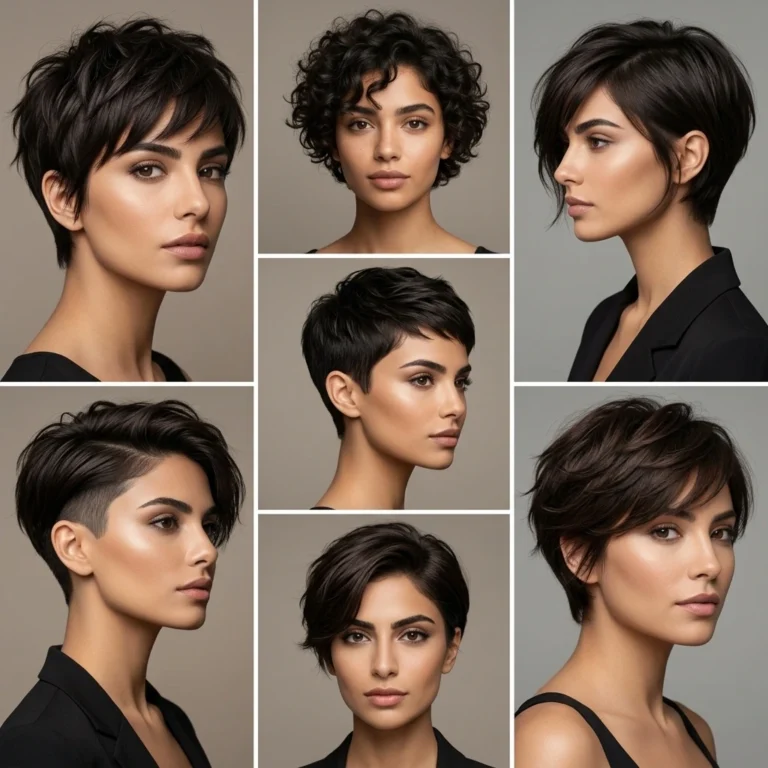

Your Hairstyle Might Be Hurting Your Hair
You wash, condition, and oil your hair with religious fervor. You buy the good stuff. But if your favorite hairstyle is working against you, all that effort can still leave your ends thin, your edges receding, and your strands snapping off mid-brush.
And, the truth is, it’s as important how you wear your hair as what you put on it.
Some styles protect your hair from friction, tension, and environmental stresses. Others—even gorgeous-looking ones—gradually damage the hair shaft and stress the follicle until breakage and hair loss become serious problems.
Here’s a guide to the best hairstyles for preventing hair damage, the science behind their effectiveness, and practical tips on how to wear them.
Here’s what you’ll learn:
- Which Styles Safeguard Your Hair
- How can tight hairstyles cause traction alopecia and hair breakage
- Overnight Braids and Buns: How to Get It Without Damage
- Scalp pain should not be ignored; it can be a warning sign
Why Your Hairstyle Choice Affects Hair Health
Hair damage doesn’t just occur from a curling iron or bleach session. One of the most common, yet under-discussed, causes of hair loss and breakage is mechanical damage — from repeated pulling, tension, and friction.
The American Academy of Dermatology (AAD) says hairstyles that pull on hair repeatedly can cause traction alopecia, which is a type of hair loss caused by constant stress on the follicle. If the pulling doesn’t stop, damage can be permanent over time.
Tight ponytails, cornrows, buns, and hair extensions are all common culprits, says the British Association of Dermatologists (BAD). And that’s not all – long-term traction can destroy the hair follicle completely, leaving smooth, shiny bald spots that no product can fix.
The good news? It changes things when you get into softer, lower-tension styles. This is what you have to take.
The Best Hairstyles That Reduce Hair Damage
1. Loose Braids
Loose braids are one of the most protective styles out there, especially for textured or natural hair. The operative word is loose. Braids that are too tight against the scalp tug on the follicle with every move. They’re relaxed and a little flexible, so they don’t stress out the hair shaft from friction or tangles.
Tips for wearing braids safely:
- You can get a finger under each braid close to the scalp
- Don’t braid wet hair – it’s more elastic and more likely to break under tension
- The AAD suggests not wearing braids for more than 6 to 8 weeks
- Use thicker braids that distribute tension more evenly than micro braids.
If you are getting braided and your scalp feels sore or you see little bumps all around your hairline, that is your sign to loosen up or take them out early.
2. Low Buns and Loose Updos
A sleek, tight bun may look polished, but the strain it puts on your edges and nape hair adds up quickly. Much less strain is caused by low buns, at the nape of the neck instead of the crown of the head.
The secret is also in how it’s secured. One of the main culprits for breakage is elastic hair ties with metal clasps. Trade them for:
- Spiral hair ties (they grab without leaving a mark)
- Satin or silk scrunchy
- Fabric bands without metal, soft
A loose, slightly imperfect low bun that you can wear all day comfortably is always a better option than a sleek one that leaves your hairline aching by noon.
3. Claw Clip Styles
Claw clips were big in the ’90s, and they deserve their moment. From a hair health perspective, a loose claw clip style is one of the gentlest ways to wear your hair up. No pulling, no creasing, no pulling on the root.
You can twist, fold, or pile your hair loosely before clipping – the imprecision is part of the point. Your hair is not being forced into a tight configuration, so there is less mechanical stress during the day.
These are especially good for fine or fragile hair that easily breaks under the tension of an elastic.
4. Two-Strand Twists
Two-strand twists are a happy medium: they appear styled and deliberate but keep hair tucked, reduce tangling, and limit the amount of daily manipulation. Less daily manipulation = less daily breakage.
Twists are perfect for natural or textured hair. They are also a good transitional protective style that you can wear out, pin up, or refresh with a little water and leave-in conditioner without starting from scratch.
Don’t twist too tightly at the root. You want to keep the style, but the base still needs to be comfortable on your scalp.
5. Silk-Protected Overnight Styles
Your sleeping style is as important as your day time style. Cotton pillowcases rub against your hair all night, creating frizz, tangles, and breakage that builds up quietly over months.
Switching to silk or satin overnight protection is one of the highest-impact, lowest-effort changes you can make. Your options:
- Silk pillowcase — the simplest swap
- Satin bonnet — keeps your style intact and protects every strand
- Loose silk scarf — tied loosely around your hair before bed
For overnight styles, a loose braid, twist, or pineapple (which is a high but loose gathering of curls held with a soft scrunchie) prevents your hair from tangling while you sleep without applying tension.
6. Wash-Day Low-Manipulation Styles
In fact, one of the most at-risk times for hair damage is wash day. Rough towel drying, vigorous scrubbing, and detangling dry or knotted hair all lead to breakage.
Keep these habits on wash day:
- Apply shampoo in a gentle downward motion – don’t rub in circles.
- Blot hair dry with a microfiber towel or an old t-shirt (do not rub)
- Finger or comb detangle from the ends up with a wide-tooth comb.
- After washing, twist or braid sections of your hair loosely to prevent tangling as it dries.
Common Mistakes That Undo All Your Protective Styling
Even the most protective styles can be damaging if you wear them incorrectly. Beware of these:
Wearing the same style for too long
Braids and twists that are in for longer than 8 weeks tend to tangle at the root, which is traumatic to your hair to take out. BAD says to change your style regularly to let your hair recover.
Ignoring scalp pain
Feeling pain, stinging, or soreness is not normal. If your hair hurts, it’s too tight. AAD is very clear about this: a painful hairstyle is actively damaging your follicles.
Skipping moisture under protective styles
Protective styles are no-maintenance. Your scalp still needs moisture: spritz or apply a light oil to your scalp every few days.
Adding extensions to already-stressed hair
The use of hair extensions on chemically relaxed or heat-damaged hair increases traction greatly. If your hair is already fine, extensions could take the scale to the point of actual follicle damage.
Expert Tips for Long-Term Hair Health
- Alternate between styles. Wear loose braids for a few weeks, then go a week without braids, or wear your hair down or in a bun. Rotating styles prevents any one area from being stressed repeatedly.
- Listen to your margins. Traction alopecia’s early signs include thinning or broken hairs along the hairline. Catch it early, and you can reverse it; ignore it, and the damage can become permanent.
- Always use a detangling spray before manipulating hair. Dry hair breaks. A little slip is a long way.
- Protect your hair at the gym. Opt for a loose braid or ponytail with a soft tie to keep your hair from tangling during workouts without pulling on your roots.
When to See a Dermatologist
If you observe any of the following, make an appointment with a board-certified dermatologist:
- Thinning edges or thinning hairline
- Bald spots where hair is always pulled tight
- Scalp soreness, chronic itching, or flaking
- Hair loss in specific spots
If caught early, the AAD says traction alopecia can often be reversed by changing styling habits. If left too long, the follicle damage becomes permanent, and no amount of style change will bring that hair back.
Putting It All Together
Your hair, protected. Your choices in style have real, physical repercussions, for better or worse. Loose braids, low buns, claw clip styles, soft overnight protection, and low-manipulation wash routines all work together to reduce the tension, friction, and breakage that cause long-term damage.
If your scalp is hurting or your hairline is changing, don’t wait. Traction alopecia can be reversed, but the window closes early. Consult a dermatologist, adjust your styling habits, and give your hair the time to recover.
Your best hair days don’t come from doing more; they come from doing less damage.
Frequently Asked Questions
Does daily bun wearing lead to hair loss?
Yes, if the bun is stretched tight. A tight bun every day means constant strain on your hairline and nape that can lead to traction alopecia in the long run. Wear it loose or change styles often.
How tight is too tight for braids?
If you feel a pulling sensation, soreness, or see “tenting” (parts of scalp pulled up by the tension), the braids are too tight. At the root of each braid, you should be able to slide a finger under.
Do protective styles actually help hair grow?
Protective styles help to retain length by reducing breakage and daily manipulation. They don’t directly speed up growth, but less breakage means you see more of your growth.
Is a silk pillowcase really worth it?
No, seriously. Cotton causes friction that roughens the hair cuticle overnight. Silk or satin cuts down on that friction, which in turn cuts down on frizz, tangles, and morning breakage.
How often should I take down and redo a protective style?
At most, every 6 to 8 weeks. Leaving braids, twists, or extensions in longer creates more tangling and tension at the root, which causes breakage upon removal.
What are the first signs of traction alopecia?
Check for broken hairs around your forehead and temples, a gradually receding hairline, or small patches of thinning where your hair is always being pulled. The earlier you catch it, the better the result.
Can children get traction alopecia?
Yes. Tight ponytails, braids, and buns in children carry the same risks as they do in adults. AAD points out that hairstyling habits that lead to hair loss frequently begin in childhood.
Are claw clips better than hair ties?
Yes, for most hair types. Claw clips do not crimp or constrict elastic tension on a concentrated area of hair. One of the most gentle daily styling tools you can get.