
Hair fall can sneak up on you. One day, your brush looks normal. A few weeks later, you notice more strands in the shower, on your pillow, or caught in your fingers after washing. It can feel upsetting, even a little alarming, especially when you are not sure what changed.
The good news is that hair fall does not always mean permanent hair loss. In many cases, it is a signal that your hair or scalp needs better support, or that your body is dealing with stress, low nutrition, hormonal shifts, or rough hair habits. Over time, even small changes can have a big effect.
In this guide, we will look at proven ways to reduce hair fall and promote growth in a simple, realistic way. You will learn what normal shedding looks like, what may trigger extra hair fall, and what habits can help you protect the hair you have while supporting healthier growth.
Understanding Hair Fall Before You Try to Fix It
Before you try oils, masks, or new shampoos, it helps to know one basic thing: some hair shedding is normal.
Most people lose around 50 to 100 hairs a day as part of the normal hair cycle. Hair grows, rests, and sheds. That cycle keeps moving all the time. Trouble starts when shedding becomes heavier than usual or when new growth does not seem to keep up.
You may be dealing with more than normal hair fall if you notice:
- More hair than usual in the shower drain
- A wider part line
- Extra shedding while brushing
- Thinner ponytails or buns
- More scalp showing under bright light
- Short, broken hairs around the hairline or crown.
It is also important to tell the difference between hair fall and hair breakage.
Hair fall vs. hair breakage
Hair fall usually means the strand sheds from the root. Breakage means the strand snaps somewhere along the length.
Hair fall often looks like:
- Full strands coming out from the root
- More shedding during washing or combing
- Gradual thinning over time
Breakage often looks like:
- Short, uneven pieces of hair
- Split ends
- Dry, rough texture
- Hair that snaps when stretched or brushed
That difference matters because the fix is not always the same.
For a trusted overview of hair loss causes and types, see MedlinePlus: https://medlineplus.gov/hairloss.html
Common Causes of Hair Fall
Hair fall usually does not happen for one reason alone. It is often a mix of scalp care, daily habits, health changes, and genetics.
Stress Can Push More Hair Into Shedding
Stress is one of the most common reasons people suddenly notice more hair fall. This can happen after emotional stress, illness, fever, surgery, childbirth, or sudden weight loss.
The tricky part is that stress-related shedding often shows up two to three months later. So the cause and the shedding do not always seem connected at first.
Signs stress may be part of the problem
- Hair fall started after a hard life event
- Shedding feels sudden and diffuse
- Your scalp looks normal, but hair seems thinner
- You have also had sleep trouble or fatigue
This type of shedding often improves, but it usually takes patience.
Low Nutrient Intake Can Affect Growth
Hair is not essential to survival, so when your body is low on key nutrients, it may slow hair growth or increase shedding.
Nutrients often linked with healthy hair include:
- Protein
- Iron
- Zinc
- Vitamin D
- Vitamin B12
- Folate
If your meals are inconsistent, very restrictive, or low in protein, your hair may be one of the first places where that shows.
The National Institutes of Health Office of Dietary Supplements has helpful fact sheets here: https://ods.od.nih.gov/
Scalp Problems Can Interfere With Healthy Hair
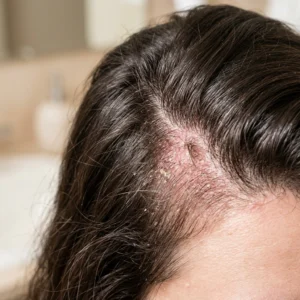
A healthy scalp gives hair a better place to grow. If the scalp is inflamed, flaky, itchy, or overloaded with buildup, hair quality may suffer.
Common scalp issues include:
- Dandruff
- Seborrheic dermatitis
- Psoriasis
- Excess oil
- Product buildup
- Irritation from harsh products
A neglected scalp often makes hair care harder than it needs to be.
Hormones and Genetics Matter Too
Some hair loss patterns run in families. Others are linked to hormonal changes from thyroid problems, menopause, polycystic ovary syndrome, or other medical issues.
If your hair has been thinning slowly over time, especially around the crown or part line, genetics or hormones may be part of the picture.
For more on types of hair loss, the National Institute of Arthritis and Musculoskeletal and Skin Diseases offers a useful guide: https://www.niams.nih.gov/health-topics/hair-loss
Proven Ways to Reduce Hair Fall and Promote Growth
Once you understand the likely causes, you can focus on habits that truly help. You do not need a shelf full of products. You need a routine that supports your scalp, protects the hair fiber, and fits real life.
Be Gentle With Your Hair Every Day
This appears easy, however it is more crucial than maximum people assume. Hair that is pulled, overheated, or handled roughly every day has a harder time staying strong.
Easy ways to reduce daily damage
- Detangle gently, starting from the ends
- Use a wide-tooth comb on damp hair
- Avoid pulling your hair into tight styles every day
- Skip very hot water during washing
- Pat hair dry instead of rubbing it with a towel
- Use lower heat settings when styling
- Give your hair breaks from flat irons and curling tools
If your hair is long, fragile, color-treated, or curly, gentle handling can make a visible difference in just a few weeks.
Wash Your Scalp the Right Way
A lot of people focus on the strands and forget the scalp. Hair grows from the scalp, so that is where your routine should begin.
Good scalp care habits
- Wash often enough to control oil and buildup
- Massage shampoo into the scalp with fingertips, not nails
- Rinse thoroughly
- Condition mainly from mid-length to ends
- Keep heavy styling products away from the scalp if they cause buildup
There is no perfect wash schedule for everyone. Some people do well washing two or three times a week. Others need more frequent cleansing, especially if they have oily scalps or exercise often.
The goal is not to wash as little as you can. The goal is to keep the scalp clean and comfortable without drying it out.
Eat in a Way That Supports Hair Growth
Hair may be dead once it leaves the scalp, but the follicle underneath is active tissue. It needs steady nutrition to do its job well.
Foods that support healthy hair
- Eggs
- Greek yogurt
- Fish
- Beans and lentils
- Chicken or turkey
- Spinach and other leafy greens
- Nuts and seeds
- Sweet potatoes
- Berries
Focus on these basics
Protein
Hair is made mostly of protein. If you do not get enough, growth may slow and shedding may increase.
Iron
Low iron is a common reason for increased hair shedding, especially in women.
Vitamin D and zinc
Both play a role in normal cell function and may matter for hair and scalp health.
If you suspect a deficiency, testing is smarter than guessing. Taking random supplements in high doses can backfire.
Protect Hair From Breakage
Sometimes the biggest problem is not that hair is falling from the root. It is that it is snapping faster than it can grow.
Common causes of breakage
- Frequent bleaching
- Repeated coloring
- Daily heat styling
- Tight ponytails and buns
- Rough brushing
- Dryness and lack of conditioning
What helps
- Trim split ends before they travel upward
- Use a leave-in conditioner on dry ends
- Apply heat protectant before styling
- Sleep on a smoother pillowcase
- Rotate hairstyles to reduce tension
Healthy-looking hair is often the result of fewer bad days, not magic fixes.
Be Careful With Oils and DIY Remedies

Many home remedies sound harmless. Some are helpful. Others create buildup, irritation, or false hope.
Oils can help reduce friction and make hair feel softer. But oil alone does not fix every type of hair fall. If your shedding is tied to stress, nutrient deficiency, scalp disease, or hormones, oiling may only do so much.
Use caution with trends like these
- Undiluted essential oils on the scalp
- Lemon juice or vinegar treatments used too often
- Abrasive scalp scrubs
- Heavy oils layered for days without washing
- Mixing too many home ingredients at once
Simple is usually better. A calm scalp tends to do better than an irritated one.
Support Your Scalp With Better Habits
A healthy scalp is not just clean. It is balanced. It should not feel constantly itchy, tight, greasy, or sore.
Signs your scalp may need more support
- Ongoing flakes
- Itching
- Burning or tenderness
- Redness
- Heavy buildup
- A waxy feeling near the roots
Scalp-friendly habits worth keeping
- Clean your brushes regularly
- Change pillowcases often
- Rinse thoroughly after workouts
- Avoid piling on dry shampoo day after day
- Treat dandruff early instead of ignoring it
If your scalp feels uncomfortable all the time, it may be time to see a dermatologist.
Manage Stress Like It Matters, Because It Does
The body affects how hair grows. If stress stays high for weeks or months, your hair may reflect that later.
You do not need a perfect routine or a silent retreat. You just need a few steady habits that lower your stress load.
Practical ways to reduce stress
- Walk outside each day
- Sleep on a regular schedule
- Cut back on constant multitasking
- Stretch for ten minutes in the evening
- Take breaks from screens
- Talk to someone you trust
- Eat regular meals instead of skipping them
These things sound simple because they are. They also help more than people expect.
Be Patient With New Growth
This part is hard. Hair changes slowly.
Even when you are doing the right things, visible progress may take three to six months. It can take longer in some cases. That is normal.
What progress may look like
- Less shedding first
- A calmer scalp
- Fewer broken ends
- Hair feeling fuller at the roots
- Short new hairs near the hairline or part
Growth does not happen all at once. It tends to show up quietly.
When to See a Doctor About Hair Fall
At-home care is useful, but it has limits. Sometimes hair fall is tied to an underlying issue that needs medical attention.
Make an appointment if you notice:
- Sudden or severe shedding
- Bald patches
- Scalp pain or swelling
- Ongoing itching with redness
- Thinning along with fatigue or weakness
- Hair loss in eyebrows or other body areas
- Shedding that continues for months without improvement
A doctor or dermatologist may check for:
- Iron deficiency
- Thyroid issues
- Hormonal changes
- Autoimmune conditions
- Scalp disorders
Getting clear answers early can save a lot of guesswork.
A Simple Routine You Can Actually Stick To
If all of this feels like a lot, keep it basic. Hair usually responds best to steady, boring consistency, not panic and overcorrection.
A simple weekly routine
- Wash your scalp regularly based on your oil level
- Use conditioner on the lengths and ends
- Detangle gently
- Limit high heat
- Eat enough protein
- Stay on top of scalp flakes or irritation
- Avoid tight styles most days
- Get enough sleep
You don’t have to do everything at once. Pick a few habits and stick with them long enough to judge the result.
What Matters Most in the Long Run
If there is one thing to remember, it is this: healthy hair habits are usually quiet habits.
They are not flashy. They do not promise overnight growth. They work in the background by protecting your scalp, reducing breakage, and giving your body what it needs to grow stronger hair over time.
The most reliable ways to reduce hair fall and promote growth are often the least dramatic:
- Gentle daily handling
- Better scalp care
- Balanced nutrition
- Less heat and tension
- Patience with the growth cycle
- Medical support when needed
That may not be exciting, but it is honest. And honest advice tends to age better than trendy fixes.
Final Thoughts
Hair fall can feel personal, but it is also common. Many people go through periods of shedding, thinning, or breakage at some point. The key is to look at the full picture instead of chasing one miracle answer.
Start with the basics. Clean your scalp well. Handle your hair gently. Eat enough. Watch for signs your body may need support. And give any routine enough time to work.
If you want more practical, easy-to-follow hair care advice, keep reading trusted educational content and pay attention to what your own hair responds to. A simple routine, done consistently, often goes farther than people think.
FAQs
What is a normal amount of hair loss each day?
Around 50 to 100 hairs a day is considered normal for many people.
Can stress really cause hair fall?
Yes, stress can push more hairs into the shedding phase, often a few months after the trigger.
Do oils stop hair fall?
Oils may help with dryness and breakage, but they do not treat every cause of hair fall.