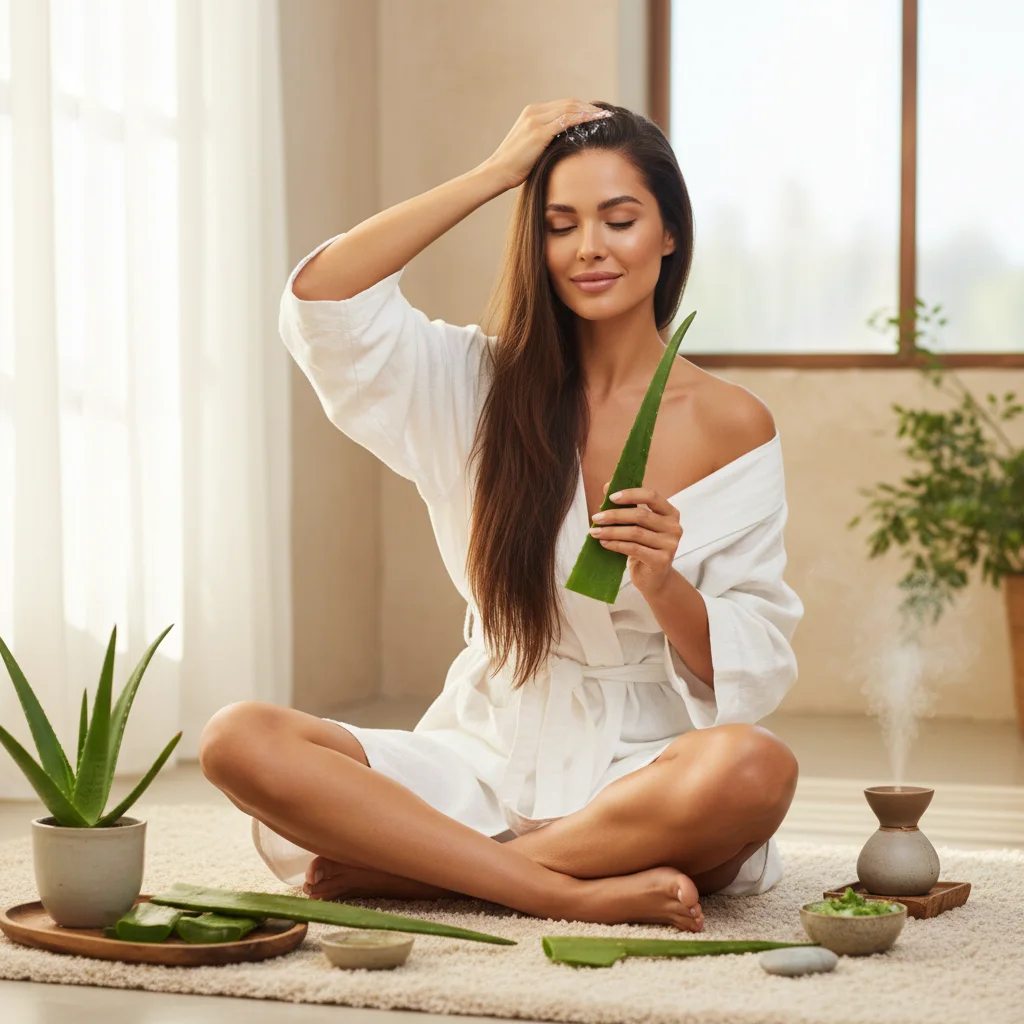
Chances are, at one time or another, you’ve had an aloe vera plant sitting on a windowsill, only to be used for sunburns. But once you begin smearing that cool, slightly sticky gel on your scalp, it’s pretty hard to go back to ignoring it.
Aloe Vera has been in use for thousands of years for skin and hair care and modern research is beginning to explain why so many people swear by it. It’s not a miracle worker, but if you have a dry, flaky, irritated scalp or hair that feels brittle and rough, it really does make a difference.
What aloe vera does to your hair and scalp, what science says and how to use it without making the common mistakes most people do.
What Makes Aloe Vera So Good for Your Scalp?
Aloe vera gel is mostly water, so it’s a good hydrator on its own. But the magic is in all the other stuff in there: enzymes, vitamins A, C, and E, B vitamins, amino acids, and natural compounds with anti-inflammatory and antimicrobial properties.
A 2020 review in the Journal of Traditional and Complementary Medicine pointed to aloe vera’s well-documented anti-inflammatory and wound-healing properties, largely due to its active polysaccharide acemannan and anthraquinones. It’s peer-reviewed on PubMed, so you can read more about its pharmacological properties.
Those properties translate into real, practical benefits for your scalp specifically.
Aloe Vera Scalp Benefits You’ll Actually Notice
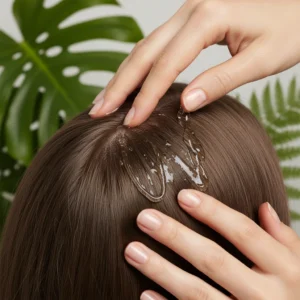
1. It Calms Itchy, Irritated Scalp Skin
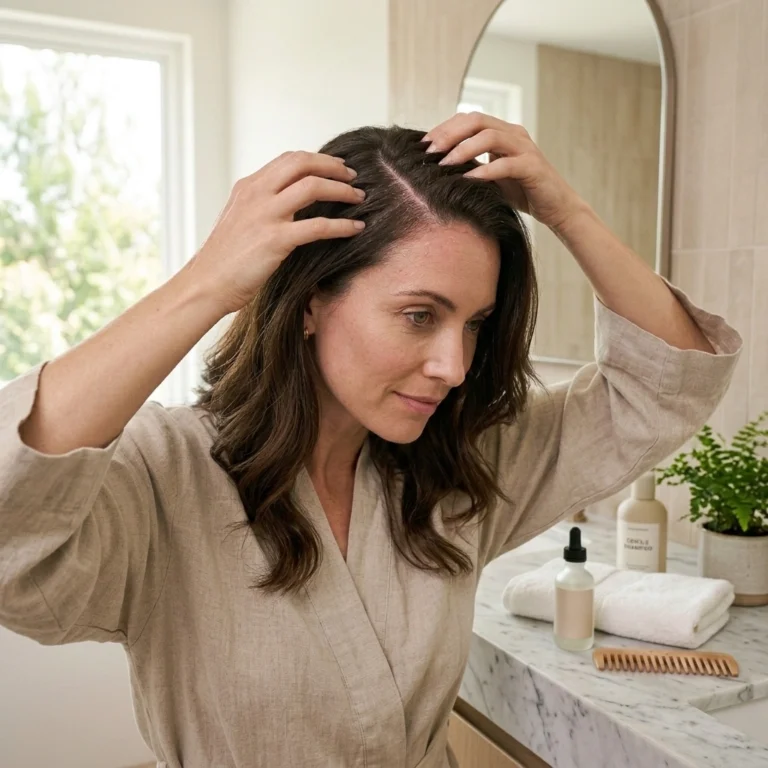
If your scalp itches after washing, feels tight when it’s dry, or gets red and inflamed, aloe vera’s anti-inflammatory compounds can help quiet that down. The gel has an instant cooling, soothing effect on contact with instant relief.
In fact, the Mayo Clinic recommends applying aloe vera gel directly to areas affected by seborrheic dermatitis, the skin condition responsible for most cases of persistent dandruff. This is one of the few natural treatments to make it into clinical guidance.
2. It Helps With Dandruff-Prone Scalps
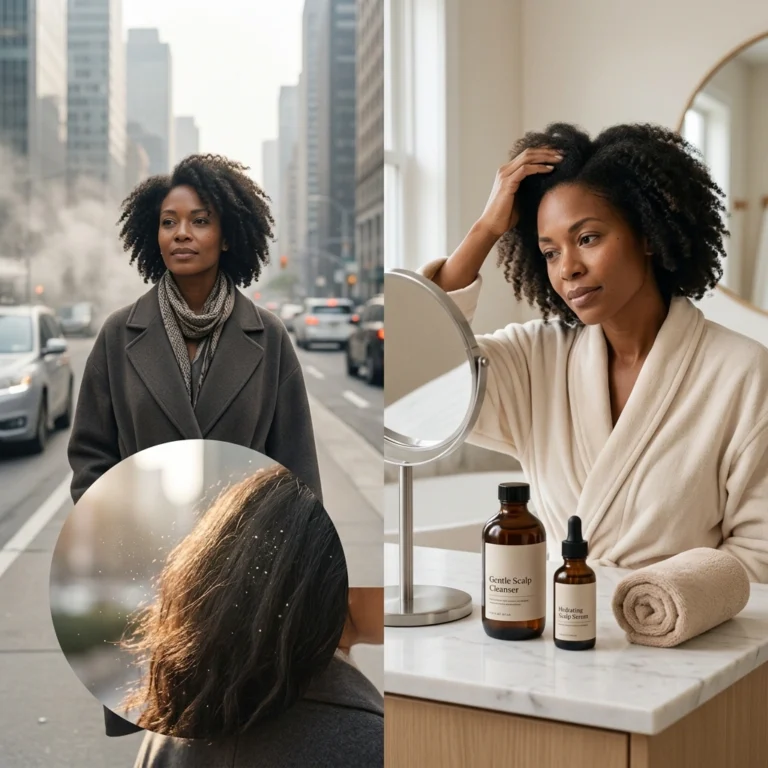
Dandruff is not just dry skin; many cases are caused by an overgrowth of a yeast-like fungus called Malassezia, excess sebum, or an inflamed scalp. Aloe vera takes care of more than one of those.
Its natural antifungal properties can help to keep the scalp’s flora in a healthy balance. It has enzymes that help digest extra oil buildup. It has an anti-inflammatory effect that soothes scalp irritation, which can lead to flaking.
This isn’t a replacement for medicated shampoos if you have a clinical case of seborrheic dermatitis, but as a supporting treatment in between washes, it’s a smart addition.
3. It Deeply Hydrates a Dry Scalp
A dehydrated scalp flakes and feels tight, and often overproduces oil to compensate for a frustrating cycle. Aloe vera contains a lot of water, and it has humectant properties that pull moisture into and trap it in the skin of the scalp.
A pre-wash scalp treatment of aloe gel once or twice a week can reduce the dryness over time. Many people find it works better than thick oils that sit on top of the skin and don’t actually hydrate it.
4. It Reduces Scalp Buildup
Regular use of styling products, dry shampoo, or heavy conditioners can cause real buildup on the scalp. Aloe vera has proteolytic enzymes that gently break down dead skin cells and product residue without stripping the scalp of its natural oils.
Think of it as a gentle, natural exfoliator for a cleaner scalp wash.
What Aloe Vera Does for Your Hair
Softens Hair and Improves Manageability
Aloe vera has amino acids that are similar to keratin, the protein that makes up your hair strands. This means less frizz, more shine, and hair that actually detangles without a battle as it allows it to smooth the hair cuticle.
For years, many curl lovers and natural hair communities have used this trick, running diluted aloe gel through damp hair before styling. Especially suitable for coarse or dry hair types.
Helps Reduce Breakage
Breakage is usually caused by a combination of dryness, cuticle damage, and mechanical stress. Aloe locks moisture onto the hair shaft and helps smooth out the outer cuticle layer, allowing the strands to be more flexible and less likely to snap.
It won’t fix split ends, and nothing will but a trim, but used regularly as a leave-in or pre-wash treatment, you will see a significant reduction in future breakage.
Does It Actually Grow Hair?
And here we have to be honest: there’s not a lot of evidence that aloe vera directly stimulates hair growth. May increase blood flow to the scalp and create a better environment for the follicles ( early research ). But there are no solid clinical trials to show that it promotes hair growth .
What it does do is support a healthier scalp, and a healthy scalp is the foundation of healthy hair growth. If you have serious or long-term hair loss, please see a dermatologist. If you’re trying to figure out what might be causing it, the American Academy of Dermatology’s Hair Loss Resource Center is a great place to begin.
How to Use Aloe Vera for Hair and Scalp
Pre-wash scalp treatment:
Massage fresh aloe vera gel or a good quality pure aloe product into your scalp. Massage in & leave on for 20-30 mins. Wash as normal.
Scalp hydration mask:
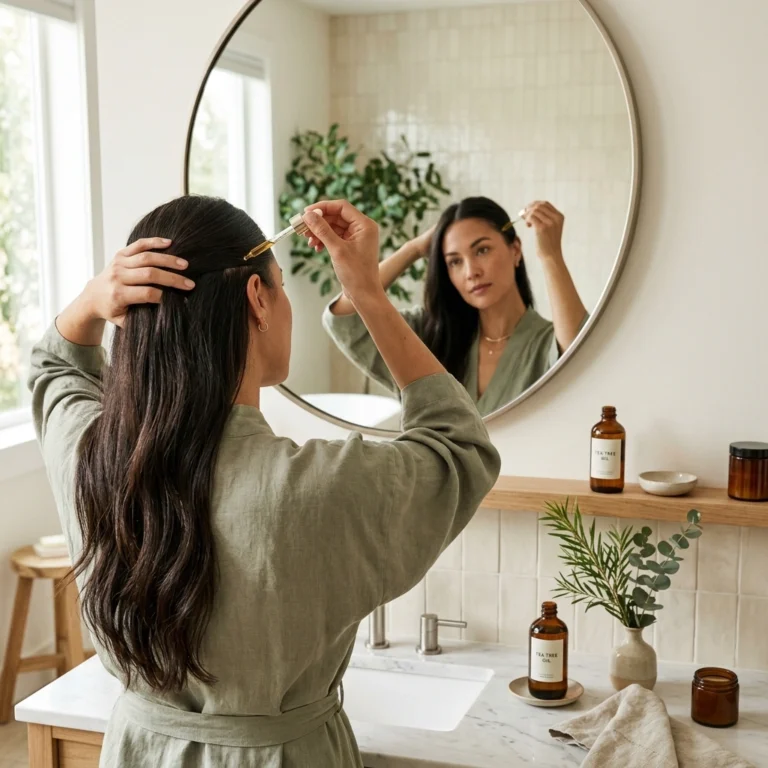
Mix aloe vera gel with a few drops of tea tree oil (for extra antifungal support) and a small amount of jojoba oil. Apply to scalp, leave for 30 minutes, rinse out.
Leave-in detangler:
Dilute aloe vera gel with water in a 1:1 ratio. Spray or apply to damp hair from mid-length to ends. Standard style.
Scalp spot treatment:
For itchy or flaky patches, apply a small amount of pure aloe gel directly to the area at night, rinse in the morning.
Common Mistakes to Avoid
Using aloe vera with fillers and additives
Many commercial aloe vera gels contain alcohol, artificial fragrance, and dyes. These can dry or irritate your scalp. Use products with fewer ingredients or pick the fresh gel from the plant leaf itself.
Applying too much at once
Aloe vera is light, but if you use too much, it can make your hair feel stiff or coated. “Little goes a long way, especially when it comes to fine hair.
Expecting overnight results
It gradually improves scalp health. If you are trying a new treatment, use it consistently for at least four to six weeks to see if it works for you.
Skipping a patch test
Topical aloe vera is generally well tolerated. But the National Center for Complementary and Integrative Health notes that some people do experience itching, burning or a rash. Test a small area on the inside of your wrist before using on the scalp.
Relying on it alone for clinical conditions
Aloe vera is a supportive remedy, not a cure. If you have a diagnosis of scalp psoriasis, alopecia areata or severe seborrheic dermatitis, in addition to any natural approaches, see a dermatologist.
Expert Tips
- The best is fresh aloe gel from the leaf. Cut a leaf, scoop out the clear gel (avoid the yellow latex layer just under the leaf’s surface – it can cause irritation), and use right away or store in the refrigerator for up to a week.
- It’s more consistency than it is intensity. Better than a one off deep treatment. Use twice a week for a month.
- Start by hydrating your scalp, then strip it with a gentle sulfate-free shampoo.
- And if you have color-treated hair, aloe is safe too because it won’t interfere with color like some oils and masks can.
- If you have a flaky scalp, apply aloe on the scalp on slightly damp hair. The moisture assists the gel in absorbing better.
Frequently Asked Questions
can leave aloe vera on your scalp overnight.
For most it’s fine. Apply to the scalp, cover with a shower cap so as not to stain your pillow, and wash out in the morning. In case of irritation, shorten the time of contact.
How frequently should I apply aloe vera for dandruff?
A good way to start is to use it as a pre-wash treatment 2-3 times a week. You can adjust it to how your scalp reacts.
Is aloe vera safe for color-treated hair?
Usually, yes. It is gentle and does not contain harsh chemicals or bleaching agents. It can actually help prevent the color treated hair from becoming dry and brittle.
Can I mix aloe vera with coconut oil?
But coconut oil is occlusive. And one heavy one too. This combo may feel too heavy if you have an oily scalp or tend to get buildup. Jojoba oil is lighter and tends to be more compatible with aloe on the scalp.
Why does my hair feel stiff after using aloe vera gel?
You probably went too far. Try using less, or diluting with water, or see if you can find a purer formulation with no additives.
Can aloe vera help with scalp psoriasis?
It has anti-inflammatory properties that may help to provide some soothing relief for mild symptoms. But scalp psoriasis is a medical condition that needs a proper diagnosis and often prescription treatment. Aloe can be complementary, not a replacement.
Does it matter if I use aloe vera gel from the plant or a store-bought product?
The fresh gel from the plant is usually stronger and has no additives. If you go with a store-bought option, look for aloe vera as the first ingredient and a short, clean ingredient list.
Closing Thoughts
Aloe vera is not a magic bullet but it is one of the more genuinely useful natural ingredients you can add to a scalp care routine. It calms irritation, combats dryness, and helps control dandruff. It also makes your hair softer and less prone to breakage – all without harsh chemicals or a complicated routine.
Begin simple: use a 20 minute pre-wash scalp treatment twice a week and see how your scalp feels after a month. Most people notice a real difference particularly if dryness and irritation have been a persistent issue.
And if you’re struggling with hair loss or a scalp condition that’s not improving from good home care, that’s a conversation worth having with a dermatologist. In terms of natural remedies, the best policy is to use them in conjunction with proper care, not as a replacement for it.