Waking up to patches of broken or missing hair can be alarming. If the cause is a scalp fungal infection, it can be even more alarming, since most people are unaware that a fungus can strip away hair until the damage is visible.
The good news is that hair loss from a fungal scalp infection is generally not permanent. With appropriate treatment and regular follow-up care, most people do get their hair to grow back. But there is a catch – you have to treat the infection properly first and then give your scalp the support it needs to recover. This is where most people mess up, skipping steps or rushing the process.
This guide walks you through exactly what happens to your scalp when you get a fungal infection, how long recovery takes, and what you can actually do to promote healthy regrowth.
What Is a Scalp Fungal Infection and Why Does It Cause Hair Loss?
Tinea capitis, also called a fungal infection of the scalp, is caused by a group of fungi called dermatophytes. These fungi feed on keratin, the protein that forms your hair shaft and the outer layer of your skin.
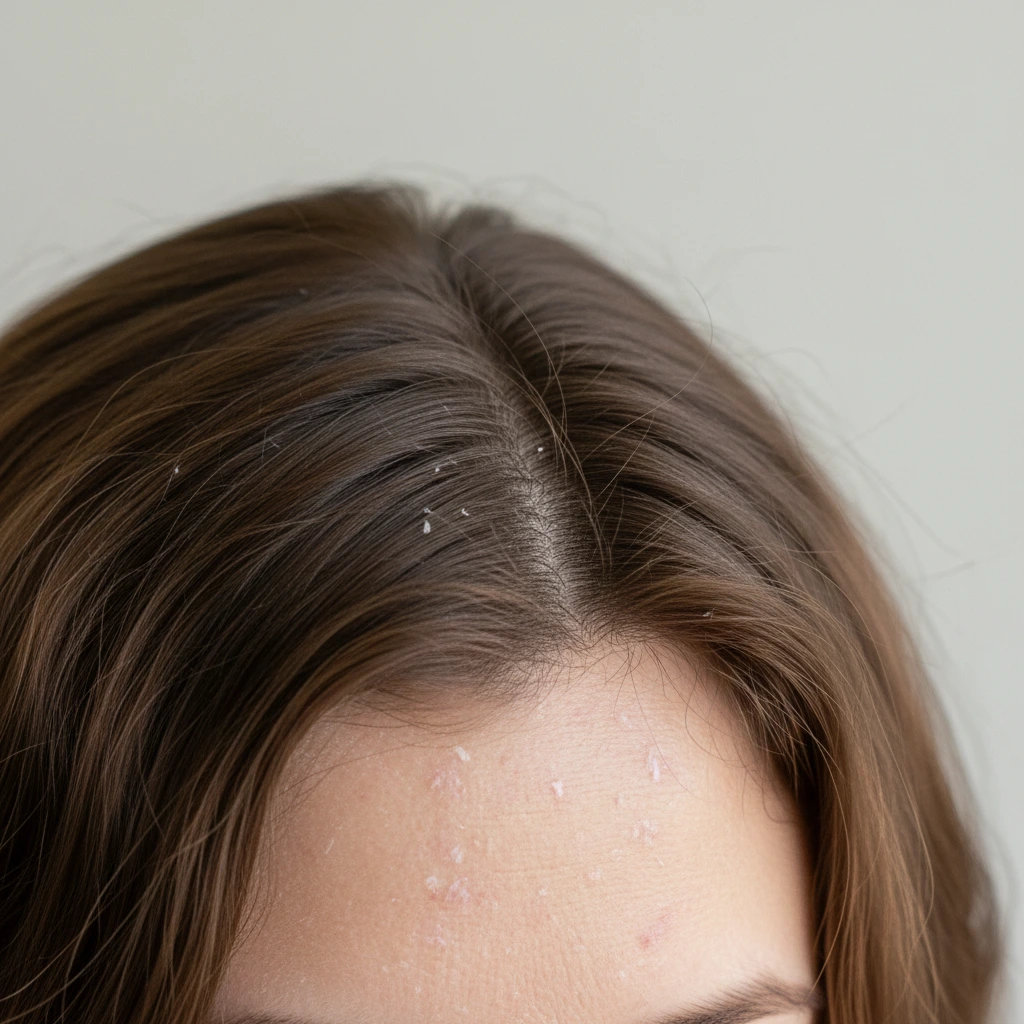
Dermatophytes invade the hair follicles and scalp tissue, causing inflammation, weakening the hair shaft, and sometimes causing scarring. This can lead to patchy hair loss, brittle, broken hair at the roots, and flaking, along with an itchy or tender scalp.
The American Academy of Dermatology says that tinea capitis is more common in children but can also happen to adults, especially those with a weak immune system or who have been close to a sick person or animal.
Fungal infections of the scalp, which result in hair loss, are generally classified into two types:
- Non-scarring hair loss — The follicle is intact. Hair can regrow and often does grow back completely once the infection is cleared.
- Scarring (cicatricial) hair loss — Severe or untreated infections can destroy follicles, making regrowth difficult or impossible in affected spots.
Infections need to be treated quickly and completely because of this.
How Long Will Hair Take to Grow Back?
No one-size-fits-all answer. How well you recover depends on the severity of the infection, the promptness of treatment, and the extent of healing of your scalp afterward.
A general timeline most people experience:
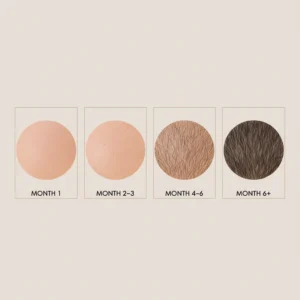
- Weeks 1 to 4: The infection has been treated. Less itching, less flaking. The scalp starts to relax.
- Months 2 to 3: Inflammation settles down. Dormant follicles begin to wake up. Affected patches may have fine, short hairs.
- Months 4 to 6: Visible regrowth in most non-scarring cases. Hair gets thicker and thicker.
- 6 to 12 months: For many, hair is near its normal density.
If you treated the infection but still notice no regrowth after three to four months, that’s a strong signal to visit a dermatologist. Some situations require more support than the basics.
Step One: Treat the Infection Completely
You can’t regrow hair from an infected scalp. Your follicles can regenerate, but the fungus must be completely gone.
Antifungal Treatment Options
Antifungal shampoos containing ketoconazole or selenium sulfide are also available, but topical products alone are usually not sufficient for tinea capitis. The infection is inside the hair follicle, where topical products do not penetrate sufficiently.
Antifungal medicine prescribed by your doctor is usually the best treatment. According to the NHS, the most common treatments for scalp ringworm are griseofulvin and terbinafine. Treatment generally takes a number of weeks.
Antifungal shampoos can be used in conjunction with oral medication to help reduce the spread of fungus and soothe the scalp, but they should not replace a doctor’s prescribed treatment.
Important: Complete the course of the prescribed antifungal medication even if symptoms improve early. The bacteria may come back if you stop too soon.
If you see pus-filled sores, severe pain, rapidly spreading patches, or symptoms that don’t improve after two weeks of treatment, book an appointment with a dermatologist as soon as possible. These can be signs of a more serious infection called kerion, which requires more aggressive medical treatment to prevent permanent follicle damage.
Step Two: Heal Your Scalp After the Infection Clears
After treatment of the fungal infection, your scalp is in a recovery stage. It often creates inflammation, dryness, and sensitivity. For hair to grow back, this step is very important because hair follicles need a healthy place to work.
Gentle Scalp Cleansing
Use a mild, sulphate-free shampoo. Harsh formulas remove natural oils from the scalp and prevent recovery. Let your scalp heal, and wash your hair two to three times per week to give your hair a break from daily washing.
Reduce Scalp Inflammation
Chronic inflammation is one of the leading obstacles to hair regrowth. A few tips that help:
- Use a shampoo with zinc pyrithione or salicylic acid to calm irritation.
- Tea tree oil, diluted (a few drops in a carrier oil like jojoba), can be used as a scalp massage oil. Some research has indicated tea tree oil has natural antifungal and anti-inflammatory properties but it’s not a replacement for a prescribed antifungal treatment.
- Do NOT scratch. It feels good at the time, but it makes the inflammation worse and can introduce bacteria.
Scalp Massage
Five minutes a day, gently massaging the scalp with fingertips or a soft silicone brush, can help stimulate blood flow to the follicles. In a small study published in the journal ePlasty, regular scalp massage was found to increase hair thickness in subjects over a 24-week period. More blood flow means more nutrients and oxygen to the follicles, both of which are needed for hair growth.
Step Three: Support Hair Regrowth From the Inside Out
With the right building blocks in your body, your scalp heals faster. Nutritional deficiencies can slow or stop regrowth once the infection is gone.
Key Nutrients for Hair Regrowth
- Protein: Hair consists of keratin, a protein. Eat plenty of eggs, legumes, lean meat, fish, and dairy.
- Iron: Hair loss has been strongly linked to low levels of ferritin. Dark leafy greens, red meat, and lentils are good sources.
- Zinc: Zinc is directly involved in repairing hair tissue. Foods rich in zinc include chickpeas, pumpkin seeds, beef, and others.
- Biotin: Helps keratin production. Found in almonds, eggs, and sweet potatoes.
- Vitamin D: Hair follicle dysfunction has been associated with deficiency. Safe sun exposure and fortified food are helpful.
If you think you may be deficient, have your doctor do a blood panel before you start supplementing. More is not always better. Some nutrients can be harmful in excess.
Common Mistakes That Delay Regrowth
Many people slow their recovery without even knowing it. Watch out for:
- Not stopping antifungal medicine soon enough — This mistake happens most often. The infection comes back, damaging the follicles even more.
- Using heavy oils or butters on the scalp — Products such as coconut oil or shea butter can clog up follicles and create a warm, wet environment in which fungi thrive.
- Wearing tight hairstyles — Fragile recovering follicles can be stressed and lose more hair (traction alopecia).
- Over-washing — Daily scalp stripping prevents the scalp from rebuilding its protective barrier.
- Sharing combs, hats, or pillowcases — Objects can be inhabited by dermatophytes. Re-infection is very possible if you don’t sanitize personal items.
- Ignoring contact sources — Pets can get ringworm of the scalp. If it were your cat or dog, they would need treatment from a vet, too.
Expert Tips to Speed Up Recovery
- Keep a consistent routine: In any case, the hair regrowth is slow. It takes time to see results, but with consistent treatment and scalp care, it will build up over time.
- Take progress photos every two weeks: Changes happen slowly and are easily overlooked if not documented.
- Stay on top of moisture: A dry, tight scalp is not a healthy scalp. A lightweight, noncomedogenic scalp serum or aloe vera gel can keep the scalp hydrated without clogging up follicles.
- Ask about minoxidil if growth stalls: Some dermatologists recommend topical minoxidil to stimulate follicle activity in patients with slow regrowth after an infection. Always use under medical guidance.
- Manage stress: High cortisol can push hair follicles into resting mode ( telogen effluvium ), and this can make hair loss worse after an infection. Just things like walking, sleeping, and less time in front of screens before bed make a real difference.
Frequently Asked Questions
Will hair always grow back after a scalp fungal infection?
Yes, usually. If the infection is found and treated before the follicles are permanently damaged, hair usually grows back completely in six to twelve months. Some serious or untreated infections can scar the scalp, which can lead to permanent hair loss in those areas. That’s why early treatment is important.
How do I know if my scalp fungal infection is fully gone?
Your symptoms should improve, such as itching, flaking, and tenderness. Clearance from a dermatologist can be confirmed with a physical exam or fungal culture. It may feel better, but that doesn’t mean the infection is gone.
Can I use coconut oil on my scalp during recovery?
Generally, heavy oils should be avoided directly on the scalp when recovering from a fungal infection. Some studies show that coconut oil has mild antifungal properties, but it is also occlusive and can create conditions that are advantageous for fungal proliferation. Use lighter, noncomedogenic products.
Is scalp fungal infection contagious?
Yes. Tinea capitis is highly contagious and is spread by direct contact with infected persons, animals, or contaminated objects such as combs, pillowcases, and hats. CDC says avoiding shared personal items and treating all household contacts who show symptoms is important.
How long do I need to take oral antifungal medication?
The length of your treatment depends on the medication you are given and how serious your infection is. Most courses are six to twelve weeks long. For how long? Your doctor will tell you. Never cut the course short without medical supervision. How long you’ll need treatment depends on which medication is prescribed and how serious your infection is. Most courses are six to twelve weeks long. For how long? Your doctor will tell you. Never stop the course without the advice of a doctor.
Can diet really affect how fast my hair grows back?
Yes, very much so. Nutritional deficiencies, particularly deficiencies of iron, zinc, protein, and vitamin D, are well-described contributory factors to delayed hair regrowth. Improving your diet and fixing deficiencies can help speed up the recovery process significantly.
When should I see a dermatologist?
If you think you have a fungal infection of your scalp, you should see a dermatologist first, as oral antifungal medication is prescription-only. If you develop pus-filled sores, have severe pain, experience hair loss that spreads quickly, or do not see regrowth after three to four months of completed treatment, get medical care.
The Bottom Line
You can regrow your hair after a scalp fungal infection, but it can take time. Most people can regrow hair after a scalp fungal infection. The solution is simple – completely remove the infection with quality medical treatment, calm and cure your scalp, nourish your body from the inside, and stay away from the common habits that slow recovery.
Your follicles are strong. “They will do their job if things are right. Stick with it, be patient with the timeline, and don’t be afraid to bring in a dermatologist if something feels off along the way.