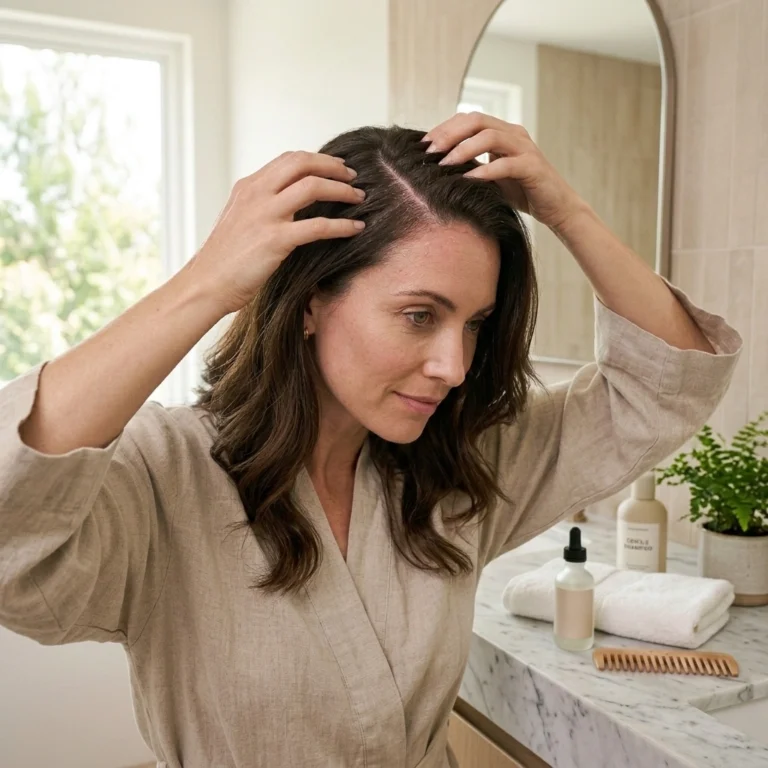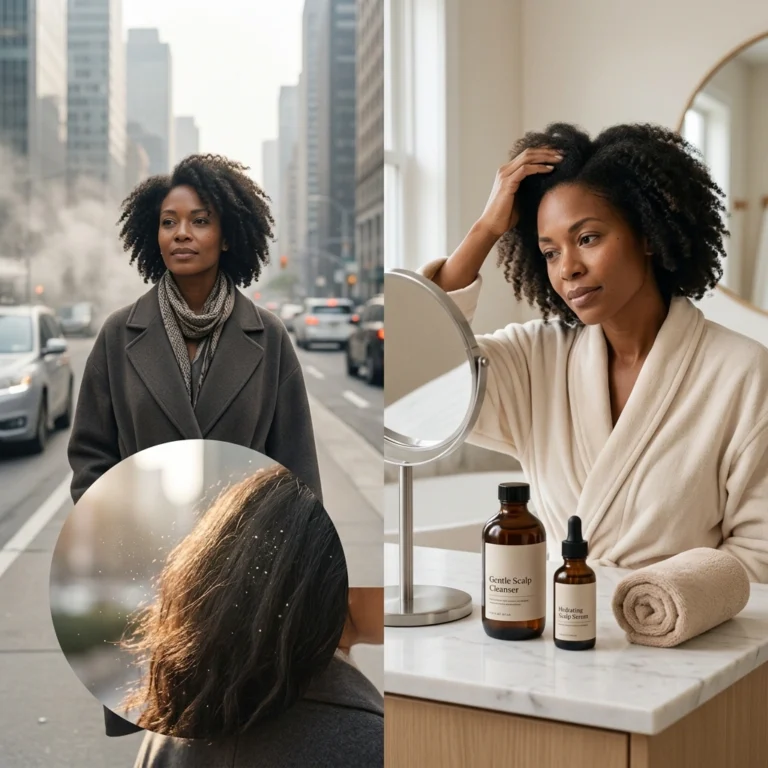
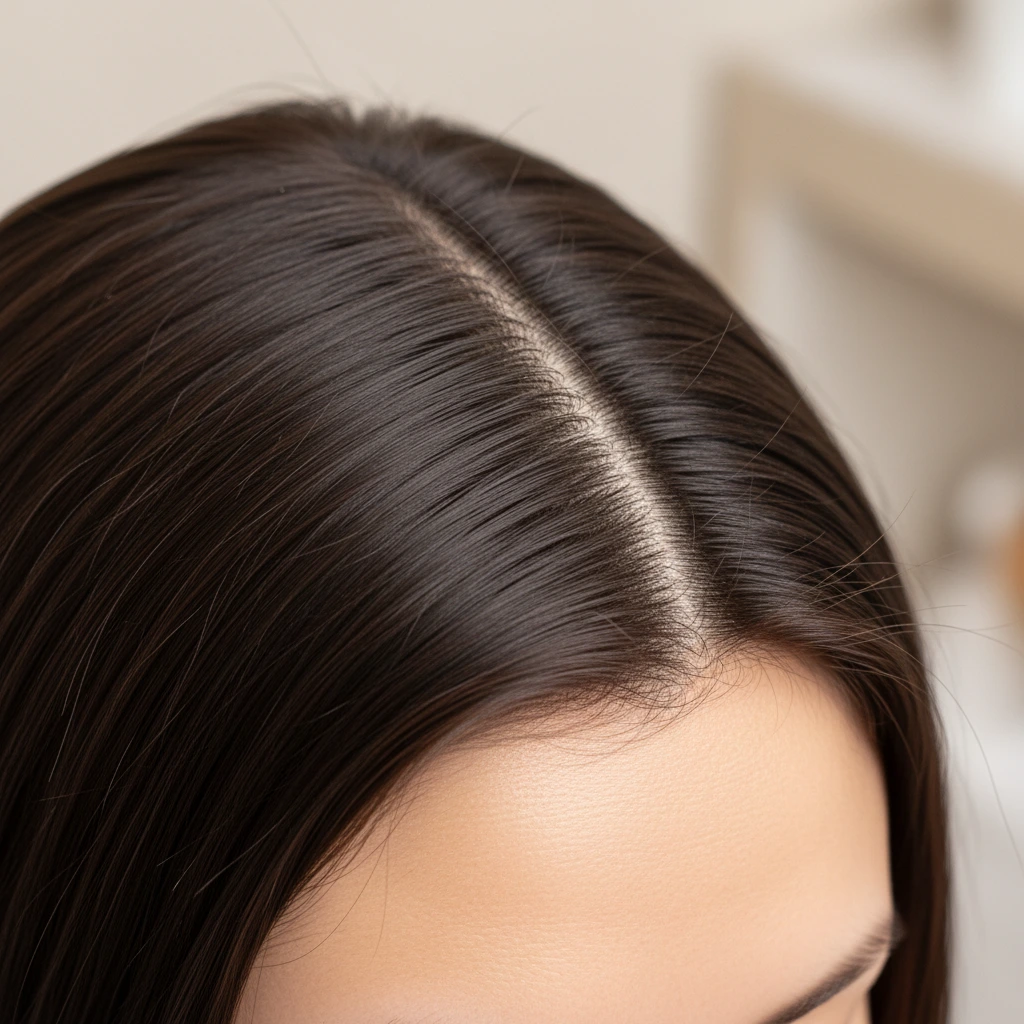
Your scalp health determines how healthy your hair is.
Most people spend a lot of time choosing the right shampoo, the best conditioner, and the most nourishing hair mask. But they forget the one thing that actually determines how healthy their hair can be: the scalp.
Treat your scalp like the soil in your garden. Even the best seeds will not grow well in dry, compacted, or unhealthy soil. It is the same with your hair. If your scalp is congested, inflamed, or stripped of its natural oils, then your hair strands simply can’t thrive.
I’ve been through this myself. I spent years almost exclusively focused on my hair strands and totally neglecting what was happening beneath. My scalp was screaming: dry patches, too much oil, constant itching and visible thinning. When I began to pay attention to the health of my scalp, the change was incredible.
Below is a breakdown of why your scalp is important and what you can do about it today.
What Your Scalp Actually Does
Your scalp is skin, like your face is. It contains thousands of hair follicles, oil glands, blood vessels, and a community of living microorganisms. Each hair starts in a follicle hidden in the scalp, and the health of that follicle directly impacts how well your hair grows, how long it stays on your head, and how it looks and feels.
The Role of Sebum in Hair Health
Sebum is an oil that your skin makes on its own. This oil travels down the hair shaft and is an in-built conditioner. When your scalp produces the right amount, your hair remains moisturized and has a healthy shine. An overproduction of sebum results in oily, droopy hair and blocked follicles. Too little makes hair dry and brittle and prone to breaking.
Hormones, genetics, diet, stress, and even the way you shampoo can all affect how much sebum your skin produces. That’s why it’s all the more important to strike the right balance for your scalp type.
Hair Follicles and Growth Cycles
There are three stages that each hair cell goes through: growth, rest, and shedding. If the scalp environment is off, it can either shorten the growth phase or push more follicles into the shedding phase all at once. The PubMed Central published direct evidence on the impact of the scalp condition on the natural growth and retention of hair. Inflammation, product buildup, and microbial imbalances on the scalp can throw this cycle off.
Common Scalp Problems and What They Mean
Dandruff and Flaking
Most people who have problems with their head have dandruff, which is more than just dry skin. It’s often caused by an overgrowth of a naturally occurring yeast called Malassezia, which upsets the microbial balance of the scalp. This leads to faster renewal of skin cells that fall off as visible flakes.
Seeing flakes doesn’t necessarily mean your scalp is dry. It can be, in fact, oily in many cases. In fact, this is why heavy moisturizer solutions for dandruff often don’t work. An antifungal or medicated shampoo designed for dandruff is generally more effective. The American Academy of Dermatology provides detailed instructions on how to treat dandruff at home safely.
Buildup and Clogged Follicles
The buildup of products is a slow process, but it can cause real problems. The scalp can accumulate dry shampoo, conditioner, styling creams, and even some scalp serums over time. Buildup around hair follicles can restrict hair growth and cause irritation.
Once or twice a month, a clarifying shampoo can help clear away buildup. This is even more so if you use a lot of hair products on a regular basis.
Itchy Scalp
An itchy scalp is your body’s way of saying that something is wrong. This can be anything from product irritation and dryness to eczema, psoriasis, or contact dermatitis. Scratching can help relieve itching temporarily, but it can also damage the scalp and introduce bacteria through small cuts in the skin.
First, you need to find out what made it happen. If a mild, fragrance-free shampoo does not work within a few weeks, it is worth seeking a professional opinion.
Simple Steps to Take to Take Care of Your Scalp
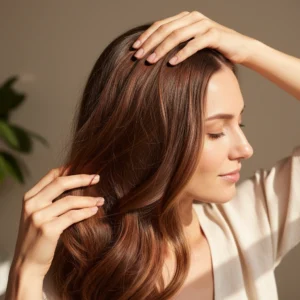
You don’t need a 10-step process to have a healthy scalp. Sticking to a few habits will really help you.
Step 1: Pick the Correct Shampoo for Your Scalp Type
Not all shampoos are applicable for all scalp types. If you have an oily scalp you might like to wash every day or every other day using a balancing shampoo. For dry or sensitive skin, a gentler formula used two to three times a week is usually best.
Board-certified dermatologists with the American Academy of Dermatology recommend that you apply shampoo to the scalp, not the length of your hair. That means you can focus on the area that needs cleansing without drying out the rest of your strands.
Step 2: Massage While You Wash
A scalp massage increases blood circulation in the hair follicles. The thinking is that better blood flow might bring more oxygen and nutrients to the follicles, potentially leading to healthier hair growth. Shampooing and a gentle two minute massage with your fingertips makes a difference. Use your fingertips, not your nails.
Step 3: Don’t Skip Conditioner
Shampooing dries your hair out, and needs rehydrating. Start applying conditioner from mid-lengths to ends. If your scalp is dry, you can use a little at the roots too, but avoid thick silicone-based formulas as these can build up around follicles.
Step 4: Consider a Scalp Serum or Treatment
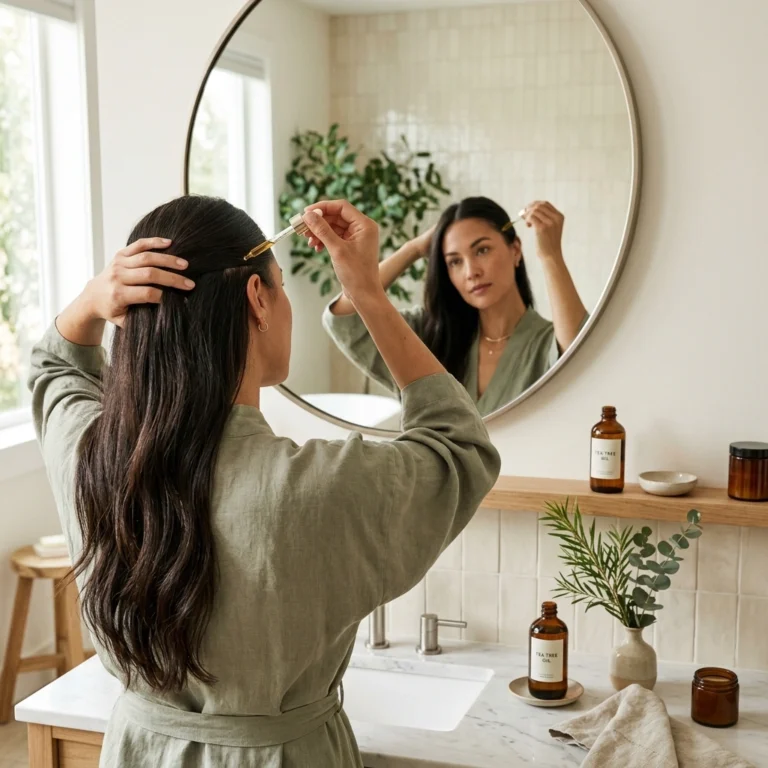
A targeted scalp serum can help if you have a chronically dry, thinning scalp or an oily scalp. Look for ingredients like salicylic acid to treat buildup, zinc pyrithione to fight dandruff and niacinamide to control oil. Tea tree oil is anti-microbial but this is mild and works for some people with irritated scalps but may make others sensitive so patch test.
Step 5: Protect Your Scalp from Heat and Sun
Heat styling tools and direct sun exposure can damage the scalp in the same way that they damage skin on the rest of the body. If you’re going to be outside for long periods of time, consider a hat or hair product with SPF to help protect the scalp from UV damage.
Common Mistakes That Damage Your Scalp
Even good people do these things a lot.
- Washing too often or infrequently. Either end throws the scalp out of sync.
- Washing your hair with hot water Hot water strips the scalp of natural oils and irritates it. “Hot water or cold water?
- Using conditioner directly on your scalp. It can clog the follicles and cause an excess buildup.
- Scraping (rough). This will break the skin and can lead to infection.
- skipping a wash to clarify. Without regular deep-cleaning, product buildup clogs follicles.
- Overlooking continuing symptoms. If you have ongoing itchiness, redness or flaking that doesn’t get better with home care, you need professional help.
Expert Tips for a Healthier Scalp
Here are a few things that really do make a difference with practice, regular practice.“
- Eat more foods rich in Zinc and Biotin. Great for nourishing follicle health from the inside are eggs, nuts, seeds and leafy greens.
- Manage stress. High cortisol levels are associated with a condition called telogen effluvium, where stress causes more hairs than usual to enter the shedding phase at the same time.
- Invest in a silk or satin pillowcase. It reduces friction to your scalp and hair as you sleep.
- Make your part change often. If you always comb your hair in the same place, you may eventually see localized thinning along the part line.
- Drink lots of fluids. The scalp, just as any skin, needs a good drink of water.
Trusted Resources
They are sources worth bookmarking for further reading and evidence-based guidance.
- Board-certified dermatologists at the American Academy of Dermatology share practical advice for everyday scalp care.
- American Academy of Dermatology Tips for Healthy Hair explains how your washing habits and product choices affect your scalp and strands.
- Scalp Condition Impacts Hair Growth and Retention, published on PubMed Central, provides scientific evidence for the direct impact of scalp health on hair growth cycles.
Frequently Asked Questions
How often do you need to wash your scalp?
That depends on your scalp type. Oily-scalped hair is best washed daily or every other day. Dry or textured hair types often do best washed every two to three days, or less. The aim is to clean the scalp without removing its natural oils.
Does scalp build up cause hair loss?
If left to build up over time, chronic and untreated buildup can cause follicle inflammation and impede healthy hair growth. You can prevent this by using a clarifying shampoo on a regular basis.
What is the difference between dry scalp and dandruff?
A dry scalp results in small, dry flakes and often feels tight or itchy. Dandruff flakes are typically larger, oilier and yellow in colour. Different causes, different treatments, so it’s good to know what you’re dealing with before choosing a product.
Does a scalp massage actually help you grow hair?
Some studies have suggested that regular scalp massage may support hair thickness by boosting blood circulation to the follicles. It won’t treat hair loss conditions, but it’s a very simple habit to add to your routine with low risk.
Is it normal to shed hair every day?
Normal hair loss (related to the natural hair cycle) is 50-100 hairs per day. If you’re noticing a lot more shedding than usual, or see areas of thinning, it’s time to see a dermatologist.
Stress can have a negative effect on your scalp’s health.
Yes. Stress can lead to excess oil production, scalp inflammation and increased shedding. Getting a grip on stress with sleep, exercise and relaxation techniques can have a real effect on the health of your scalp and hair.
When to see a dermatologist for scalp problems
If a few easy changes to your routine don’t help in a couple of weeks, seek professional help. It is especially helpful if you have stubborn itching, pain, bald patches that are obvious, redness or heavy scaling. A dermatologist can determine what is happening and recommend a treatment that will work.
Healthy Hair Starts at the Root
Your scalp is working overtime. It’s dripping with oil, flowing through thousands of follicles, supporting a microbial ecosystem and nourishing every hair on your head. If your hair is healthy, so will you.
Start small. Choose one or two habits from this article and add them to what you already do. It might be as simple as using a shampoo that’s right for your scalp type, taking two minutes to massage your scalp every wash day or just paying more attention to what your scalp needs. Real results are created one small steady change at a time.
The best days for your hair often start not with a new product but a little more care for the skin it grows from.
Disclaimer: This article is for informational purposes only and is not intended to be medical advice. If you have itching that won’t go away, pain, hair loss, redness, or a lot of scaling, see a board-certified dermatologist.