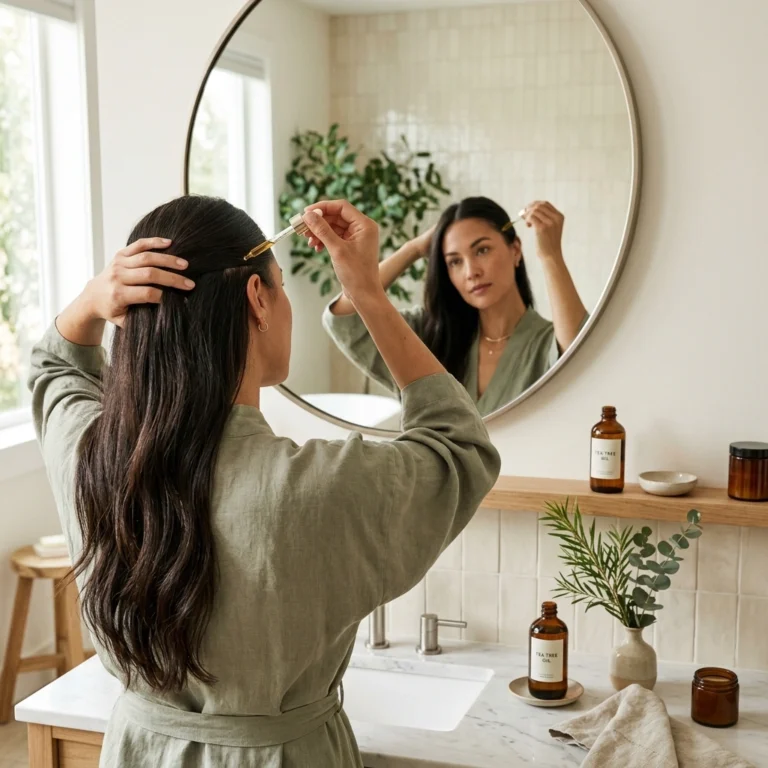
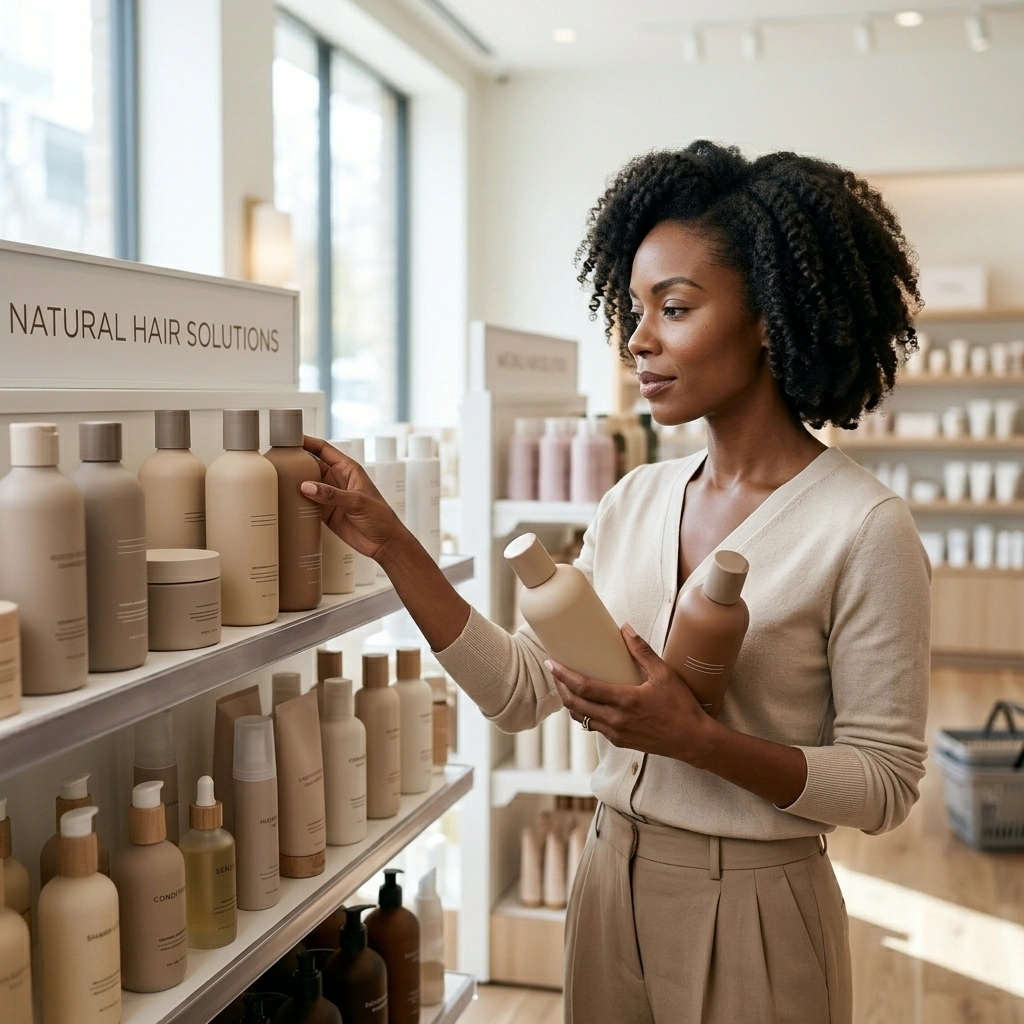
I always thought healthy, beautiful hair was expensive for the longest time. When my hair was dry, frizzy, and damaged, I thought it was just another expensive salon product. Soon, I began paying closer attention to ingredient lists and experimenting with affordable products from my local drugstore. To my surprise, many of them performed as well as the premium brands I had been buying for years.
That experience totally changed how I shop for hair care.
The biggest lesson I learned is that price isn’t always a reflection of performance. Some drugstore products are packed with high-quality ingredients and work great, while others are all show with bold packaging and marketing claims that don’t live up to the hype. Knowing the difference can save you a lot of money—and a lot of aggravation.
This is crucial because healthy hair is not just about looks. It affects how your hair feels, how easy it is to manage your hair every day, and the confidence knowing your hair looks its best. The good news is, you don’t have to spend a fortune to get those results.
In this guide, I’ll help you understand what sets the best drugstore hair products apart from the ones that aren’t worth your money. You can find recommendations for every category from shampoos and conditioners to leave-in treatments, scalp care, heat protectants, and hair oils. I’ll also give you some common shopping mistakes to avoid and a few simple tips to help you get the most out of every product you purchase.
Let’s dig in.
What Actually Makes a Drugstore Product Effective
The price is almost meaningless in terms of performance. It’s what’s inside the bottle that matters.
The NIH detailed review says the results are due to the interaction of ingredients, not one “miracle” ingredient. So it was the chic oil on the front label. It is useful only if the whole formula is well-built around it.
So this is what I look for in any product worth buying:
- Good cleaners and conditioners that work well together and not against each other
- Dimethicone and other silicones seal the cuticle and give real shine
- Oils like coconut oil, which research has shown penetrate the hair shaft and reduce protein loss
- Actives that address your specific concern (zinc pyrithione for flakes)
A budget product that does the basics well. It’s easy.
Let’s begin with where all good routines begin: shampoo.
Best Drugstore Shampoos Worth Your Money
The main job of your shampoo is to clean your scalp, not to strip your strands. The American Academy of Dermatology says to put shampoo on your scalp, not the lengths. More information is available on the AAD hair care page.
For a healthy, flake-free scalp
As they say, Head & Shoulders is excellent. With pyrithione zinc to help soothe flaking and promote a balanced scalp, the foundation of healthy-looking hair. I keep one around for those itchy winter weeks, and it really does deliver.
For a mild sulfate-free cleanse
For dry hair or color-treated hair, a sulfate-free shampoo is your best friend. Here I pick up OGX Argan Oil of Morocco. Rinses clean without that squeaky stripped feeling, and my color stays brighter in between touch-ups.
Strength And Shine Daily
Pantene Pro-V is a classic for a reason. Its conditioning system softens and tames hair without weighing it down. Nothing is more reliable for hair care than this.
Quick tip: If you use a lot of styling products, try rotating in a clarifying wash every other week or so. It takes away the buildup that dulls your shine.
Now, the step most people forget. Big mistake!
Best Conditioners for Soft, Manageable Hair

Budget brands do great in the conditioner department, and science backs it up. Conditioners smooth the cuticle to reduce friction and help restore the protective lipid layer that your hair loses through washing and styling. That’s how you get fewer tangles and less breakage.
My drug store essentials every day:
- TRESemmé Moisture Rich Conditioner: Silky slip helps with detangling
- Garnier Whole Blends: Volumizing options for fine hair that won’t kill your volume
- Pantene Daily Moisture Renewal: Good everyday balance of softness and body.
Good habit to get into: Always put conditioner on mid-lengths and ends, not the scalp. The roots stay fresh, and the dry old stuff gets the moisture they really need.
Don’t Skip Deep Conditioner
Try a deep conditioner instead of your conditioner once a week. OGX deep treatments and inexpensive hair masks offer serious moisture if you use heat or color. After a few uses, you can feel your hair is noticeably softer and stronger.
So now, let’s talk about the products you leave in.
Leave-In Treatments That Pull Their Weight
Leave-ins are the secret weapon for frizz, tangles, and that “my hair just won’t behave” feeling.
A favorite for curly, coily, and dry hair types, Cantu Leave-In Conditioning Repair Cream. It’s rich, detangles like a dream, and a little goes a long way. A lighter spray-in for looser textures prevents things from getting greasy.
Fast tips on how to use leave-ins well:
- Use on damp, towel-dried hair
- Start with a little and add more if you need to
- Look at the ends, where the damage first appears
If you have fine straight hair, be gentle. Too much leave-in can make strands look limp. Layer generously on wet hair for the best curl definition with curly or textured hair.
Scalp Treatments for Stronger Roots
Healthy hair begins at the scalp. Think of it like soil in a garden. When the scalp is not happy, growth is not happy.
A medicated or clarifying scalp treatment can help with flakes, itching, or buildup. Pyrithione zinc and similar actives help reduce the yeast that causes dandruff, which supports a healthier scalp overall. For those who want to look deeper, the AAD provides good advice from dermatologists.
Here are some scalp-friendly habits I swear by:
- Massage the shampoo with your fingertips, not your nails
- Wash well so that nothing remains
- Avoid excessive washing as it may dry and irritate the scalp
One honest note: there is no over-the-counter product that magically reverses hair loss overnight. If you experience sudden hair loss or thinning, consult a board-certified dermatologist. Real problems deserve real medical advice, not a bottle of hope.
The step so many people overlook before styling.
Heat Protectants You Shouldn’t Skip
Heat protectant is a must if you’re blow-drying, straightening, or curling. Heat breaks down the proteins in your hair, and a good protectant helps to distribute that heat more evenly to minimize the damage.
I always have a cheap spray next to my dryer. Drugstore sprays like TRESemmé Thermal Creations work without breaking the bank. Spritz damp hair before drying and again lightly before using any hot tools.
Tools should be kept warm, but not hot, even if protected. Hotter is not better, only more damaging.
Hair Oils That Actually Work
But not all oils are alike, and the research here is really fascinating! It has been shown in research studies that coconut oil actually penetrates the hair shaft and reduces protein loss better than many other oils, such as mineral oil or sunflower oil. That’s a real, measurable benefit, not just marketing.
Oils, how I use them:
- As a prewash treatment, pour over the lengths about an hour before you wash.
- A tiny drop as a finisher smoothes flyaways and adds shine
- On ends only: If your scalp is very dry, don’t apply to the roots
Both OGX and Garnier have budget-friendly oil blends. Start small; too much shine quickly turns to grease.
Common Mistakes to Avoid
I’ve done all of these (one and all), so learn from my mistakes:
- Every day, I wash my hair. This removes natural oils and can dry out your scalp.
- Condition your roots. It pulls the hair down and flattens it.
- No heat protectant. One no hot tool session adds up.
- Overuse of the product. There’s always more. It gathers and dulls your shine.
- Pat dry with a coarse towel. Don’t scrub. Pat. Wet hair is fragile.
- Looking for a single “magic” ingredient. The most important thing is the whole formula. Remember.
Avoid those, and your drugstore products will work much better.
Expert Tips for Better Results
- Pick products that are appropriate for your hair type, not the “coolest” tag. Light for fine hair. Rich creamy for wavy hair.
- If you have a sensitive scalp, patch test new products first. Irritants include: Fragrances and preservatives.
- Be patient. Give any new routine three or four weeks before you judge it.
- Sometimes, explain to clear up the buildup.
- Sleeping on a satin pillowcase helps protect your hair from friction and frizz.
Frequently Asked Questions
Are drugstore hair products as good as salon brands?
Yeah, a lot of times. Many of the drugstore formulas are built around the same basic ingredients. The formula is based on performance, not on price.
What is the best drugstore hair growth shampoo?
No shampoo will make your hair grow. But a healthy scalp is a happy scalp, and a happy scalp = a happy head, so create the right environment with scalp-focused options such as Head & Shoulders.
Is sulfate-free shampoo better?
It’s softer and is better for dry, curly, and color-treated hair. If your hair feels like it’s stripping easily, a sulfate-free shampoo is a good switch.
How often do I need to use a deep conditioner?
Most people find that once a week does the job. If your hair is very dry, damaged, or color-treated, use it more often.
Do I really need a heat protectant?
Yes, if you use hot tools. It prevents heat damage and is one of the cheapest ways to protect your hair.
Does Coconut Oil for Hair Really Work?
Research has shown that it penetrates the shaft and reduces protein loss, which helps prevent breakage. Use sparingly on ends and lengths.
Why does my hair get greasy when I oil it?
You may be using too much, or too close to the roots. Begin with a drop on your ends.
The Bottom Line
It doesn’t take a fortune to have beautiful, healthy hair. The best drugstore hair products are all about smart formulas, and brands like Head & Shoulders, OGX, Cantu, TRESemmé, Garnier, and Pantene prove it every single day.
Your easy next step: pick one category to upgrade this week, whether that’s adding in a deep conditioner or finally using a heat protectant. Pick the one that is best for your hair type, use it for a few weeks, and see the difference.
If you are concerned about thinning hair or scalp problems that continue, see a dermatologist first. Otherwise, have fun with the experimentation and let your cheap hair care routine do the heavy lifting! Data up until October 2023 is used to train you.